
Charles Whitman and the 1966 University of Texas Tower shooting
Overview of Charles Whitman, his background, the August 1, 1966 tower attack at UT Austin, investigation findings, and the event’s influence on law enforcement and campus safety.
Charles Joseph Whitman (1941–1966) was an American former Marine and student at the University of Texas at Austin who is most widely remembered for a mass shooting from the university’s Main Building tower on August 1, 1966. On that day he killed 14 people and wounded 32 others in the public shooting portion of the attack; earlier he had also fatally attacked his mother and his wife. The episode became one of the first highly publicized incidents of long‑range public mass killing in the United States and shaped later discussions of campus safety, police tactics, and mental health.
Image gallery
8 Images

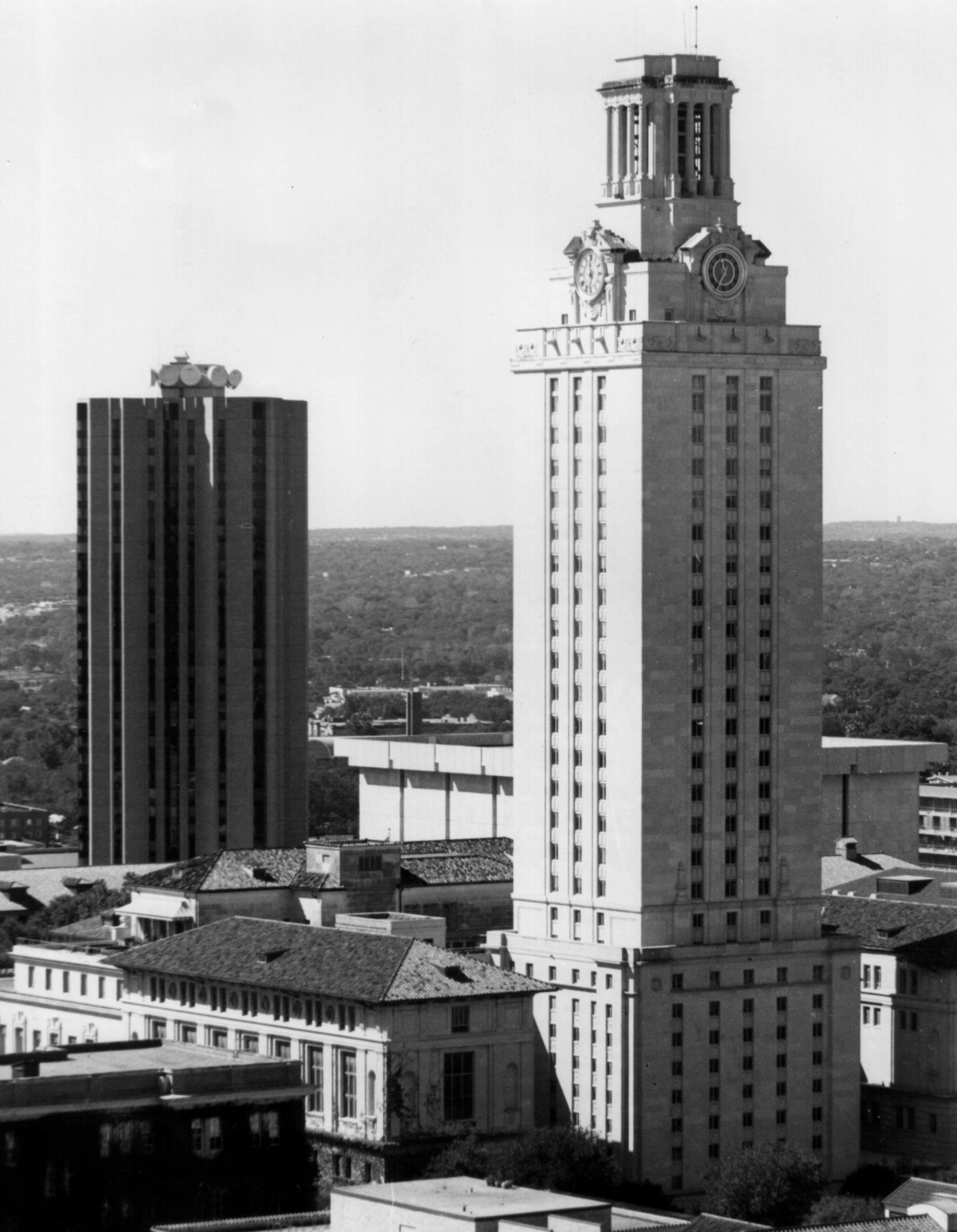
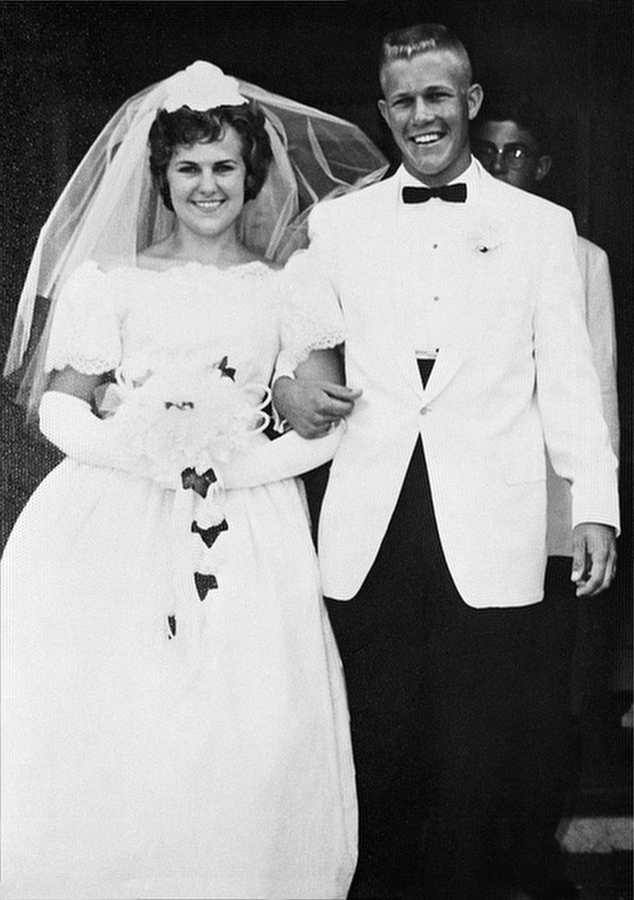


Background
Whitman grew up in Florida and served in the U.S. Marine Corps, where he received marksmanship training and rose to a noncommissioned rank. After leaving active duty he enrolled at the University of Texas as an engineering student and worked part time on campus. In the months before the attack he complained of severe headaches and episodes of violent thoughts and sought help from medical and counseling services. These details figured prominently in later investigations and public debate.
The attack
On August 1, 1966, after killing his mother and wife in separate attacks, Whitman carried rifles and other weapons to the observation deck of the UT Main Building tower and opened fire on people below. The attack from an elevated, fixed position made it difficult for bystanders and responding officers to take cover. Police and other responders ultimately reached and killed Whitman, ending the shooting. The incident involved multiple locations on and near campus over several hours and prompted immediate media coverage across the nation.
Investigation and medical findings
Police reports, autopsy results and contemporary analyses documented Whitman’s prior complaints of headaches and behavior changes. An autopsy found a small brain lesion, which some researchers and commentators have discussed as a possible factor in his actions; however, experts emphasize that a direct causal link between such findings and his criminal behavior is uncertain. Inquiries also examined his military background, weapon acquisition, and interactions with campus mental health providers.
Impact and legacy
- Public safety: The tower shooting highlighted vulnerabilities at colleges and in public spaces and accelerated changes in campus security, emergency communication, and preparedness planning.
- Law enforcement: The event influenced development of tactics for dealing with active shooters and snipers, interagency coordination, and training for rapid armed response.
- Research and policy: The case has been cited in discussions about access to mental health care, warning signs, and how medical and legal systems address threats posed by individuals with violent ideation.
The Whitman case remains a frequently referenced historical example in scholarship on mass violence, not only because of its immediate human cost but also because it marks an early instance of an attacker using a high vantage point to inflict casualties at distance. It has been the subject of books, news retrospectives, and academic study.
Further reading and sources
- Biographical overview and timeline
- Contemporary news reports
- University of Texas archives
- Law enforcement accounts
- Autopsy and medical analysis
- Retrospective investigations
- Military service records and marksmanship context
- Detailed chronology of the tower shooting
- Comparative studies of mass shootings
- Discussions of policy and emergency response reforms
Related articles
Author
AlegsaOnline.com Charles Whitman and the 1966 University of Texas Tower shooting Leandro Alegsa
URL: https://en.alegsaonline.com/art/116254