
Charles XIV John (Jean-Baptiste Bernadotte) — Marshal, Crown Prince, King of Sweden and Norway
Jean-Baptiste Bernadotte (1763–1844) rose from French soldier to Marshal and was elected Crown Prince of Sweden in 1810, later ruling as Charles XIV John of Sweden and Charles III John of Norway, founding the House of Bernadotte.
Charles XIV John (born Jean‑Baptiste Jules Bernadotte; 26 January 1763 – 8 March 1844) was a French soldier who became a monarch of Scandinavia. He served as King of Sweden (as Charles XIV John) and King of Norway (as Charles III John) from 1818 until his death in 1844. His rise from commoner to marshal and then to sovereign is an unusual example of social mobility in early 19th‑century Europe and he founded the still‑reigning House of Bernadotte.
Image gallery
10 Images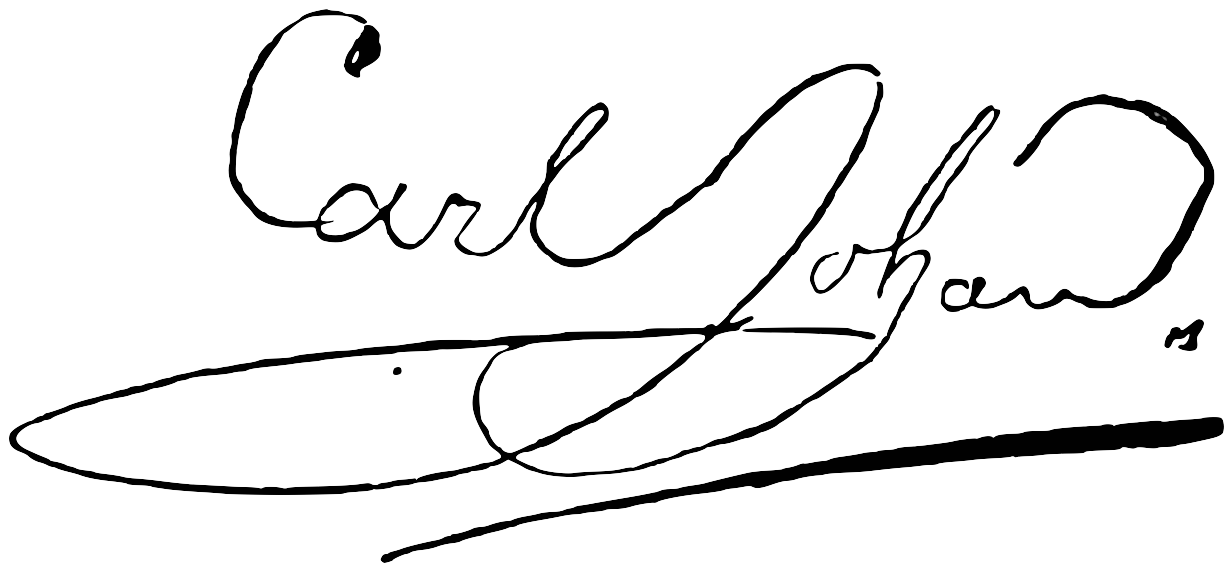




Early life and military career
Born in Pau in southwestern France, Bernadotte entered military service and advanced during the French Revolutionary and Napoleonic wars. He earned reputation and rank, eventually becoming a Marshal of the Empire. For a time Napoleon granted him the small Italian princedom of Pontecorvo (1806–1810). While he accepted honors from France, Bernadotte also developed a pragmatic reputation as a capable administrator and commander.
Accession to the Swedish throne
Sweden’s royal succession crisis after 1809 prompted the Riksdag to look for a strong heir. In 1810 Bernadotte was elected Crown Prince and adopted by the ailing King Charles XIII. His selection reflected both military prestige and diplomatic promise: Sweden sought a leader who could protect national interests after losses such as Finland. He relinquished active use of the Pontecorvo title when he assumed his Scandinavian duties.
Reign, policies and institutions
As king from 1818, Charles XIV John sought stability and gradual reform rather than radical change. He supported economic development, maintained public order and respected the constitution that limited royal power. His court retained many French customs for years; he learned Swedish over time and worked within existing political institutions to strengthen the monarchy’s legitimacy.
Foreign policy and the union with Norway
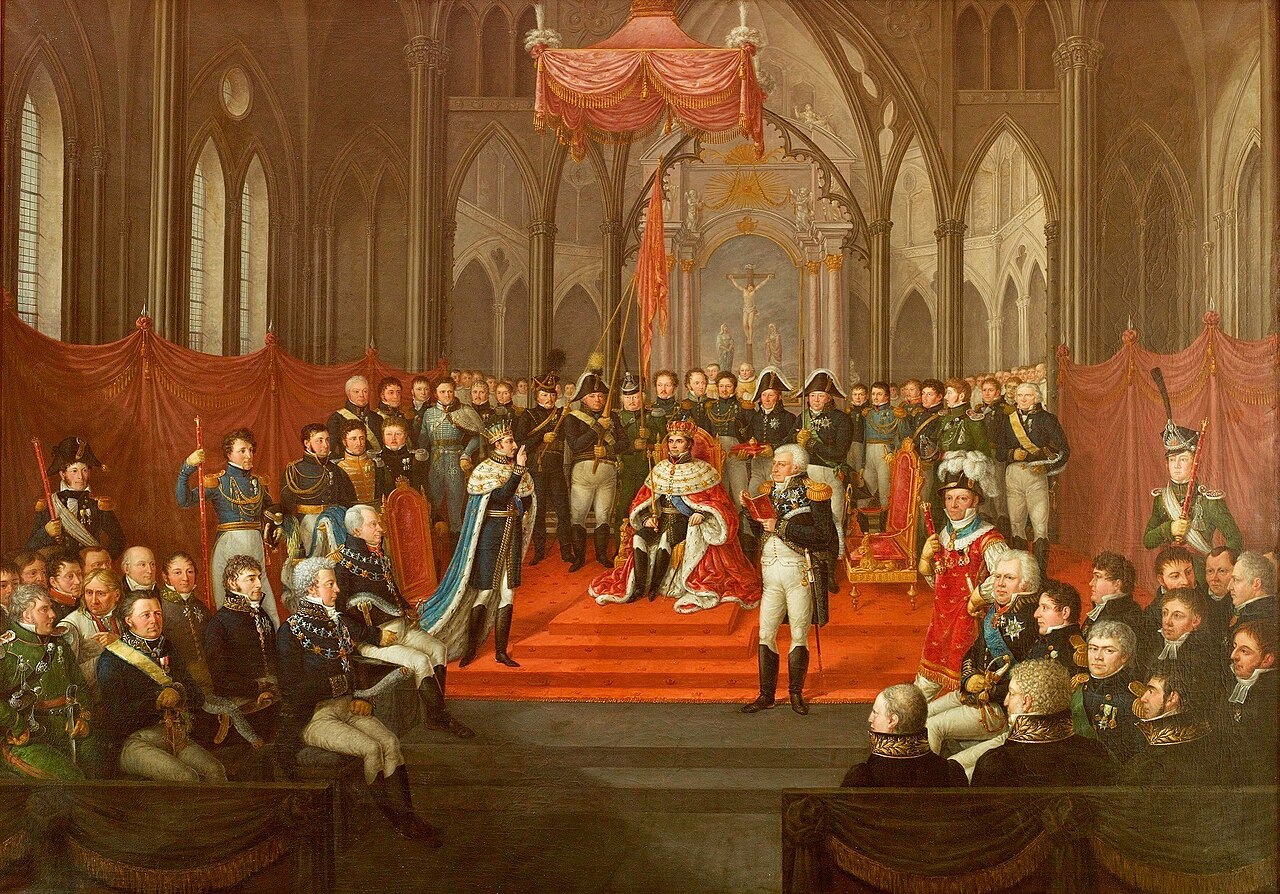
Bernadotte’s statesmanship during the Napoleonic period shifted from alignment with France to cooperation with the anti‑Napoleonic coalition, a move that helped secure Sweden’s interests in the post‑war settlement. In 1814 the arrangement that followed the Treaty of Kiel led to a personal union between Sweden and Norway. Under his rule Norway retained a separate constitution and considerable autonomy, while the two crowns shared foreign policy and the monarch.
Legacy and notable facts
Charles XIV John bequeathed a stable dynasty and a foreign‑born royal line that adapted to Scandinavian institutions. He was succeeded by his son Oscar I in 1844. His life is often cited in discussions of the Napoleonic era’s social upheavals and the reshaping of European monarchies in the 19th century.
- Born: 26 January 1763, Pau, France
- Marshal of France; Prince of Pontecorvo 1806–1810
- Crown Prince of Sweden 1810–1818; King of Sweden and Norway 1818–1844
Questions and answers
Q: Who was Charles XIV John?
A: Charles XIV John was a Swedish monarch who reigned as the King of Sweden and Norway from 1818 until his death in 1844.
Q: What were the other titles that Charles XIV John held before becoming Swedish royalty?
A: Before Charles XIV John became Swedish royalty, he was the Sovereign Prince of Pontecorvo from 1806 until 1810.
Q: When did Charles XIV John stop using his title as Sovereign Prince of Pontecorvo?
A: Charles XIV John stopped using his title as Sovereign Prince of Pontecorvo in 1810.
Q: How long did Charles XIV John reign as the King of Norway and Sweden?
A: Charles XIV John reigned as the King of Norway and Sweden from 1818 until his death in 1844.
Q: What was Charles XIV John's birth name?
A: Charles XIV John's birth name was Carl Johan.
Q: When was Charles XIV John born?
A: Charles XIV John was born on January 26, 1763.
Q: When did Charles XIV John die?
A: Charles XIV John died on March 8, 1844.
Related articles
Author
AlegsaOnline.com Charles XIV John (Jean-Baptiste Bernadotte) — Marshal, Crown Prince, King of Sweden and Norway Leandro Alegsa
URL: https://en.alegsaonline.com/art/116261
Sources
- worldstatesmen.org : "Sweden"