
Charley Patton — pioneering Delta blues musician
Overview of Charley Patton, an influential early Delta blues artist: life, musical style, recordings, and legacy as a foundational figure in American blues.
Overview
Charley Patton (often spelled Charlie or Charley) was an American Delta blues singer, guitarist, and songwriter whose performances and recordings in the late 1920s and early 1930s helped define the Delta blues tradition. His exact birth details are debated by scholars, but he is commonly associated with the Mississippi Delta region and is widely regarded as a founding figure of that regional style. For discussions of his birth date and early life see birth date sources and biographical summaries.
Image gallery
1 Image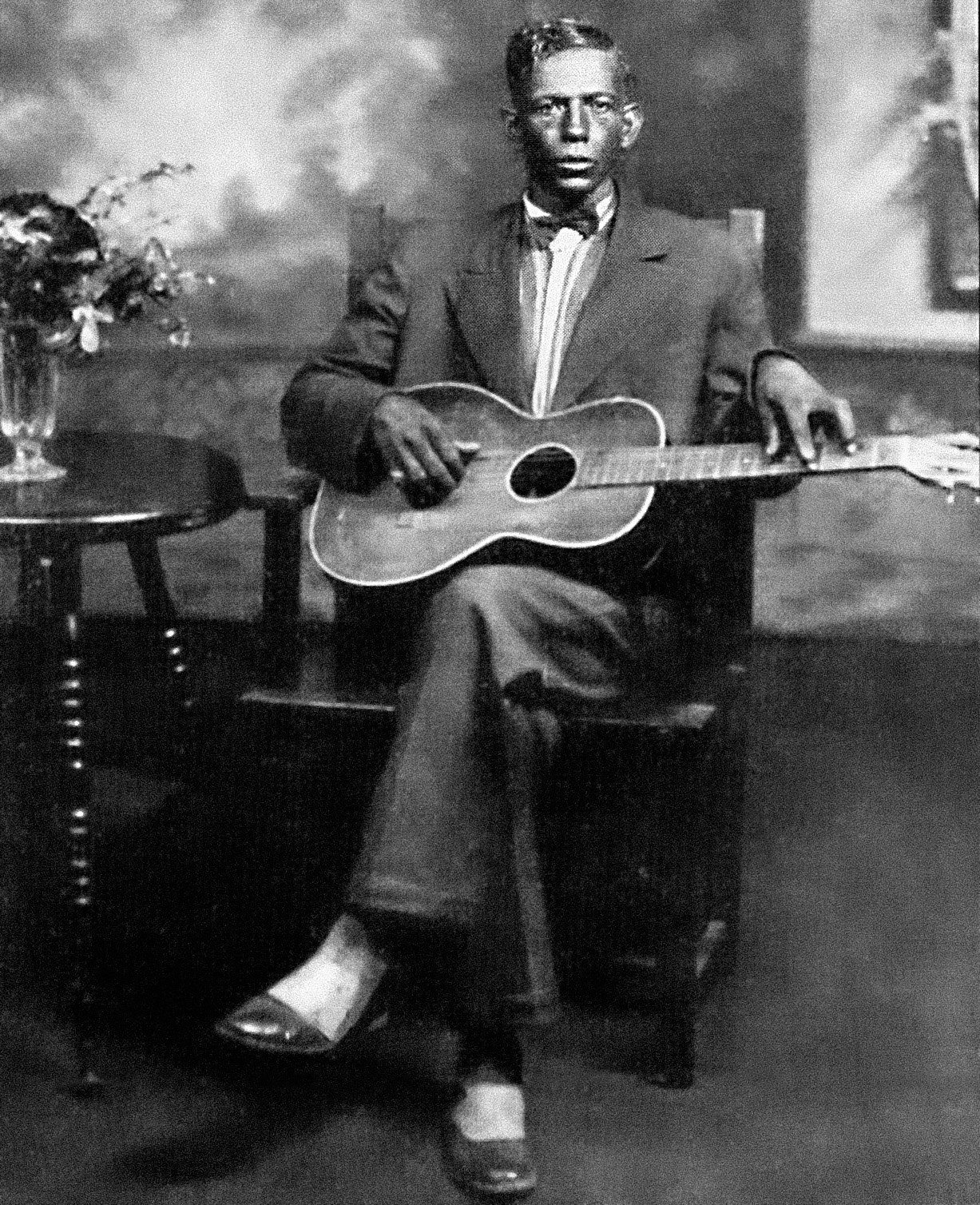
Musical characteristics
Patton's music combined strong, rhythmic guitar playing with a powerful, flexible singing voice. He used driving rhythms, thumb-picked bass lines, and slide techniques to create danceable, intense performances. His repertoire mixed original songs, traditional material, and improvisation; his stage presence and rhythmic inventions were especially influential. For analyses of his technique consult musical style studies.
Career and recordings
Patton earned a reputation as a dominant performer on plantation circuits, juke joints, house parties, and traveling shows. He made commercially issued recordings in the late 1920s and early 1930s that captured his forceful singing and guitar work and helped spread Delta forms beyond Mississippi. Examples of recordings and historical session information are collected in many archives; see recording archives and session listings.
Notable songs
- Pony Blues — one of his best-known early records
- High Water Everywhere — a song tied to major events in the Delta era
Influence and legacy
Patton's musical personality influenced a generation of bluesmen who followed in the Delta, including musicians who later became widely recorded and celebrated. Historians and performers often call him a "father" of the Delta blues because his approach shaped the sound and repertoire of the region. His life and work are subjects of museum exhibits, research, and tribute recordings; for further reading and tributes see museum and tribute pages and scholarly resources.
Because contemporary documentation is limited, some details about Patton's life remain uncertain; nevertheless, his recordings endure as primary evidence of his skill and importance in the development of American roots music.
Related articles
Author
AlegsaOnline.com Charley Patton — pioneering Delta blues musician Leandro Alegsa
URL: https://en.alegsaonline.com/art/116263
Sources
- findagrave.com : Gravestone of Charley Palmer