
Virginia Tech massacre (April 16, 2007)
A detailed overview of the April 16, 2007 campus shootings at Virginia Tech in Blacksburg, Virginia: events, perpetrator, victims, response, and the incident's lasting impact on campus safety.
Overview
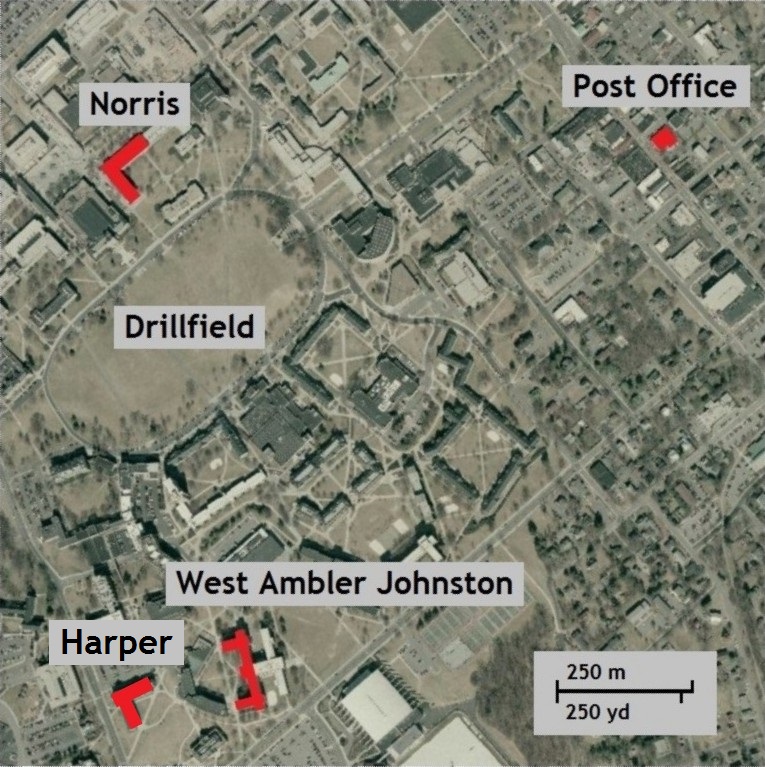
The Virginia Tech massacre was a mass shooting that occurred on April 16, 2007, at the Virginia Polytechnic Institute and State University in Blacksburg, Virginia, United States. It is widely described as a school shooting and resulted in the deaths of 32 people before the gunman died by suicide. The attack occurred in two separate locations on the campus during the morning hours.
Image gallery
10 Images




The attacks and timeline
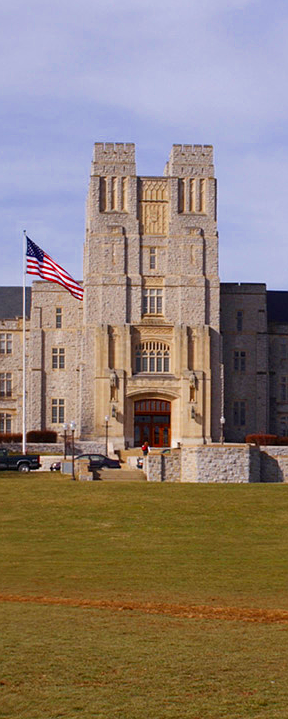
On the morning of April 16 two students were shot and killed in a residential dormitory, West Ambler Johnston Hall. Several hours later the gunman forced entry to Norris Hall, a building that housed engineering classrooms, and began a second, larger attack. Doors to parts of Norris Hall had been secured and victims were found in multiple rooms and corridors of the building. Among those killed was professor Liviu Librescu, who is remembered for shielding students and allowing others to escape.
Perpetrator
The attacker, Seung-Hui Cho, was a senior student at the university. Reports after the event identified that he had been diagnosed with a range of psychiatric conditions, including an anxiety disorder, major depressive disorder and selective mutism, and had a history of disturbing writings and behavior. Investigations examined Cho’s background, access to firearms and interactions with mental health and judicial systems in the period leading up to the shootings.
Victims, public response and memorials
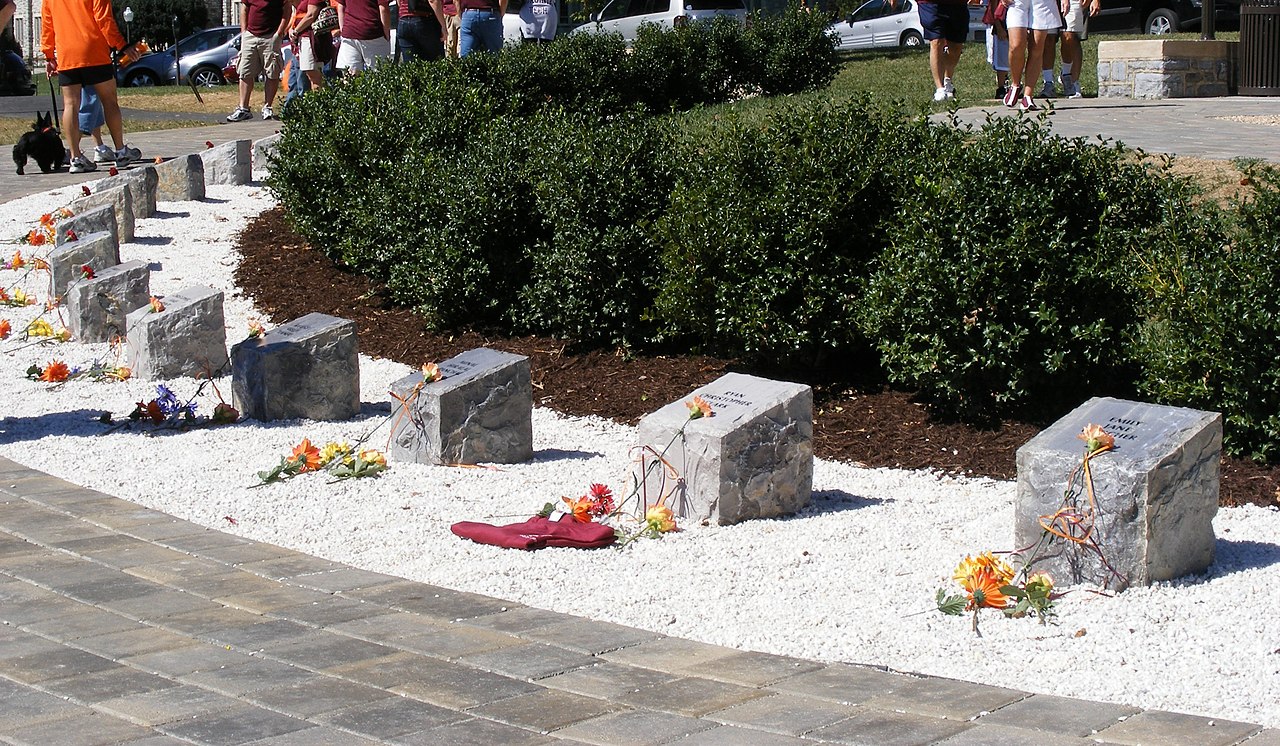
The scale of the loss prompted campus vigils, national mourning and visits from public officials; Virginia Tech’s president and U.S. President George W. Bush attended memorial events. The incident stood as the deadliest mass shooting in modern U.S. history until later events such as the 2017 Las Vegas shooting. Comparisons were also made with earlier mass shootings, including the 1966 University of Texas tower attack by Charles Whitman and the 1999 Columbine attack.
Aftermath and impact
The massacre prompted widespread review of campus safety, crisis communication and mental health policies. Institutions across the country reassessed emergency notification procedures and support for students with mental health needs. In Virginia Tech’s case, university and state reviews led to reforms in how threats are reported, how law enforcement and medical records are shared, and how universities alert students and staff to active threats on campus.
Notable facts and legacy
- The shootings occurred in two distinct phases, which complicated the initial response and information flow.
- The event intensified national debates over gun policy, campus security and mental health services for young adults.
- Survivors, families and the university community have maintained memorials and scholarships to remember those lost and to study prevention strategies.
The Virginia Tech massacre remains a defining and tragic moment in U.S. campus history. Its consequences reshaped emergency planning and spurred ongoing discussion about preventing targeted violence while balancing civil liberties and mental health care.
For further reading on specific aspects of the event—timeline, investigative reports, and policy outcomes—see detailed reviews and official reports produced in the years after the attack.
Related articles
Author
AlegsaOnline.com Virginia Tech massacre (April 16, 2007) Leandro Alegsa
URL: https://en.alegsaonline.com/art/105547
Sources
- governor.virginia.gov : "Report of the Virginia Tech Review Panel"
- roanoke.com : "Police: No motive found"
- msnbc.msn.com : "Fact File: Deadliest shootings in the U.S."
- commons.wikimedia.org : Virginia Tech massacre