
Charles X (King of France and Navarre, 1824–1830)
Charles X, born Charles Philippe, comte d'Artois, was the last senior Bourbon monarch of France. A conservative leader of the émigrés, his reactionary policies and the July Ordinances led to the 1830 Revolution.
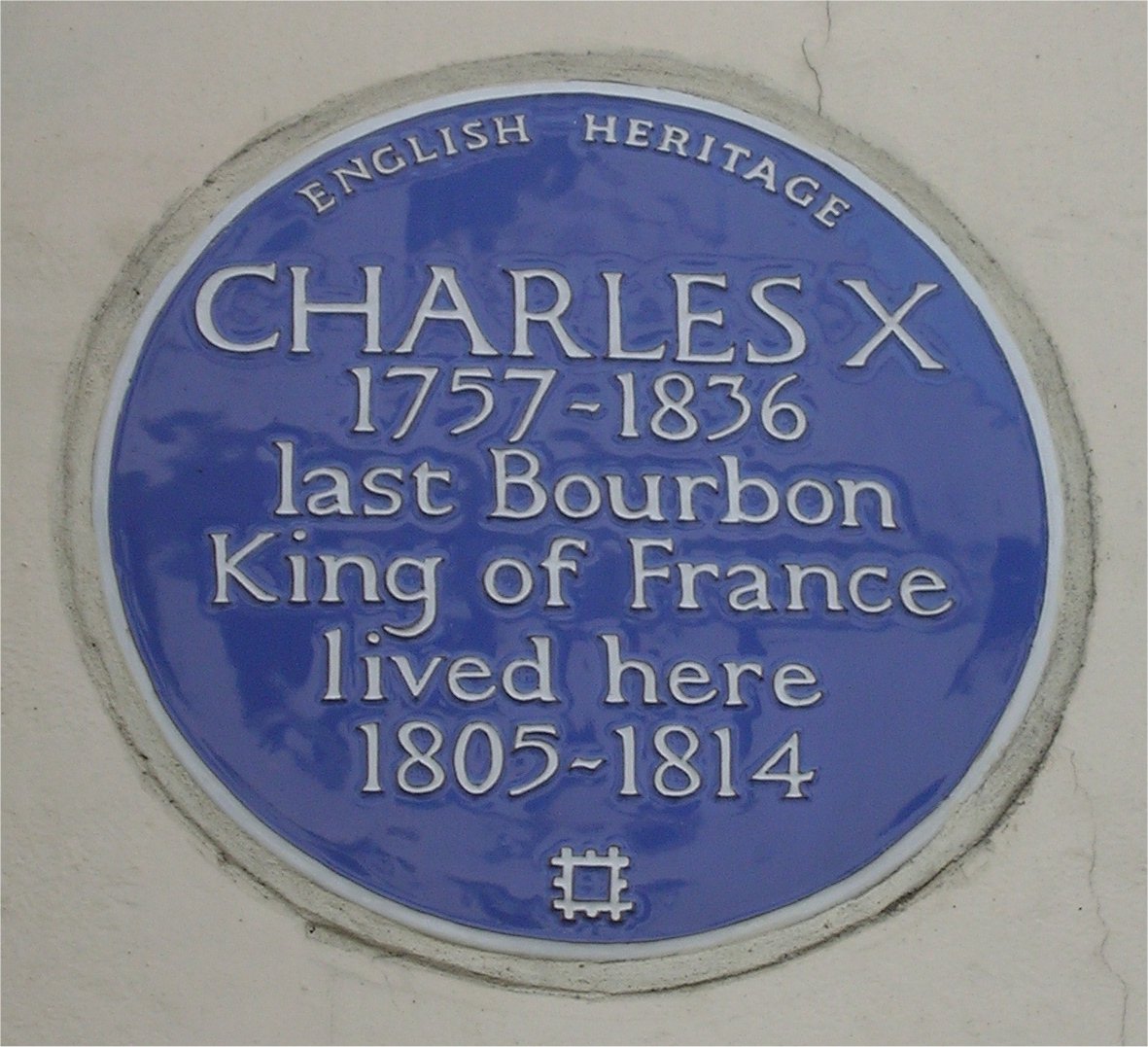
Charles X was born Charles Philippe and held the title comte d'Artois before becoming king. He is frequently introduced in histories by his birth and death dates: born 1757 and died 1836. He reigned as king of France and Navarre from 1824 until his forced abdication in 1830. A grandson of Louis XV, he was the younger brother of both Louis XVI and Louis XVIII. During the French Revolution he became a leading figure among the émigrés who opposed revolutionary change.
Image gallery
10 Images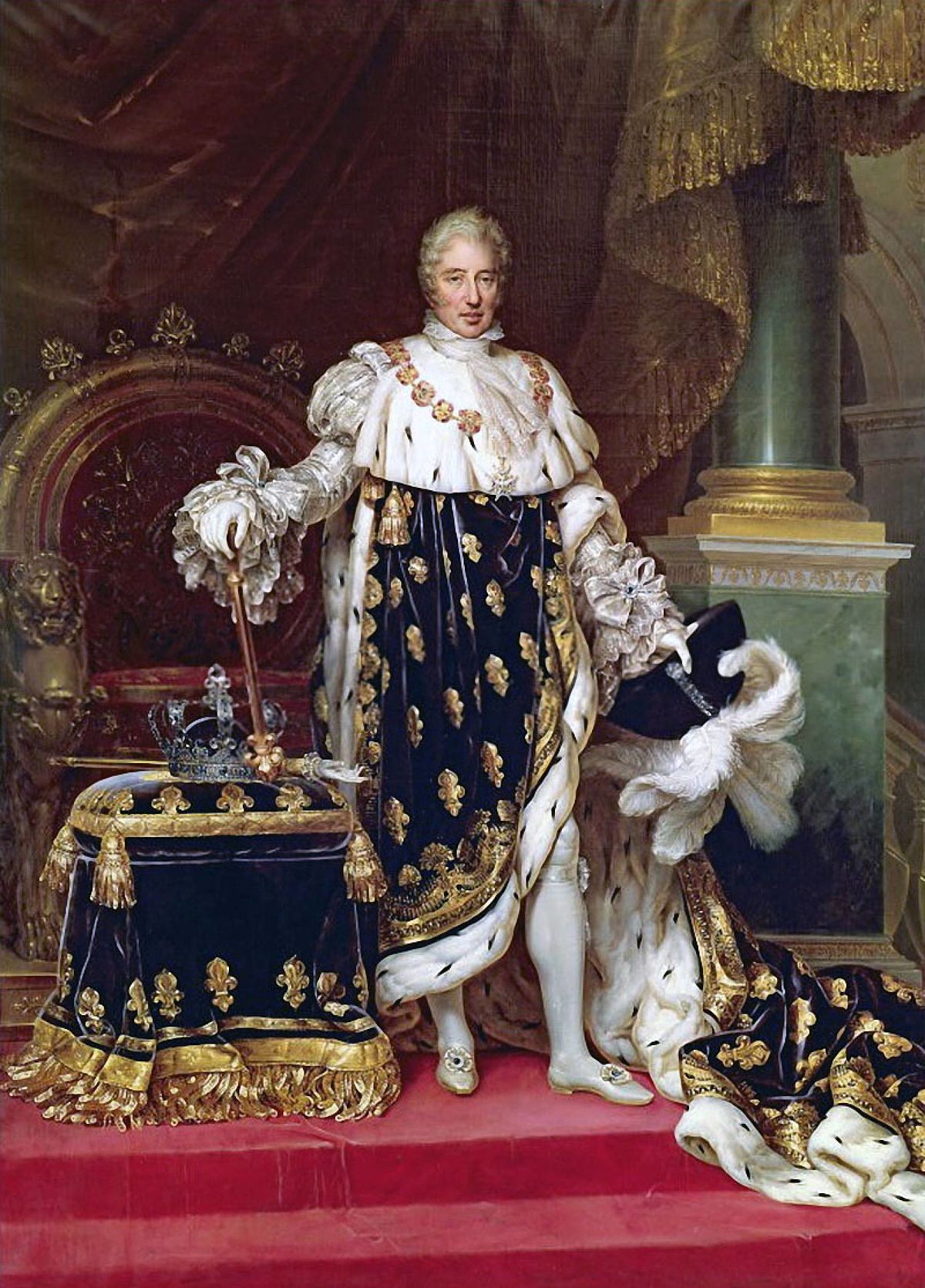





Early life and role in exile
Raised at the ancien régime court, Charles spent his youth in the orbit of Bourbon dynastic politics. When the Revolution challenged the monarchy, he left France and associated with émigré circles that sought foreign support and eventual restoration of Bourbon rule. His experience in exile shaped his attachment to traditional institutions—church, crown, and aristocratic privilege—and it informed the conservative character of his later reign.
Accession and governing style
When he succeeded his brother in 1824, Charles X aimed to roll back some revolutionary and Napoleonic changes while respecting the restored monarchy’s constitutional framework. His policies favored the Catholic Church and the old elite, promoted compensation for émigrés who had lost lands during the Revolution, and encouraged a conservative social order. These measures made him popular with ultras but increasingly isolated him from liberal opinion and many moderates.
Policies, crisis, and the July Ordinances
Throughout his reign Charles pursued a course that many contemporaries labeled reactionary. Tensions between royal authority and growing demands for press freedom, parliamentary influence, and civic rights mounted. In July 1830 he issued a set of decrees, commonly called the July Ordinances, that attempted to restrict the press, dissolve the recently elected Chamber of Deputies, and alter the electoral system—moves that provoked immediate popular and political resistance.
Abdication and exile
The July Ordinances sparked the July Revolution of 1830, an uprising centered in Paris that forced Charles to abdicate in favor of his grandson and to flee the country. His abdication ended the senior Bourbon line's restoration on the throne and led to the installation of a constitutional monarchy under the House of Orléans. Charles spent the rest of his life in exile and died in 1836.
Legacy and historical importance
Charles X is remembered as the last senior Bourbon monarch to rule France and as a figure whose attempt to restore traditional authority collided with new political realities. Historians view his reign as a turning point that clarified the limits of conservative restoration after the Revolution and Napoleonic era. His fall illustrated the growing strength of liberal public opinion and urban protest as decisive forces in 19th-century French politics.
- Titles: comte d'Artois before 1824; king of France and Navarre during his reign.
- Dynasty: Bourbon, grandson of Louis XV.
- Opposition to revolution: led émigré efforts during the French Revolution.
- End of reign: abdicated after the 1830 upheaval, marking the end of senior Bourbon rule.
For additional primary documents, biographies, and contemporary accounts consult dedicated historical collections and archives referenced by specialist works and online repositories. Further reading and archival links are commonly provided in academic treatments of the Bourbon Restoration and the July Revolution.
Questions and answers
Q: Who was Charles X?
A: Charles X was the king of France and Navarre from 1824 to 1830.
Q: What was Charles X's background?
A: Charles X was the grandson of Louis XV and the younger brother of kings Louis XVI and Louis XVIII.
Q: What was Charles X's title before he became king?
A: Charles X was known as Charles Philippe, comte d'Artois, before becoming king.
Q: What was Charles X's role during the French Revolution?
A: Charles X was one of the leaders of the émigrés during the French Revolution.
Q: How long did Charles X rule France?
A: Charles X ruled France from 1824 to 1830.
Q: Who was the last senior Bourbon to rule France?
A: Charles X was the last senior Bourbon to rule France.
Q: What was Charles X's legacy?
A: Charles X's legacy was that he was the last senior Bourbon to rule France.
Related articles
Author
AlegsaOnline.com Charles X (King of France and Navarre, 1824–1830) Leandro Alegsa
URL: https://en.alegsaonline.com/art/116259
Sources
- en.wikisource.org1911_Encyclop%C3%A6dia_Britannica : "Abdication,"