
Erich Mendelsohn: German expressionist architect and modernist innovator
Erich Mendelsohn (1887–1953) was a German-Jewish architect known for expressive, dynamic forms. His work ranges from the Einstein Tower to department stores and houses in Europe, Palestine and the United States.
Overview
Erich Mendelsohn (21 March 1887 – 15 September 1953) was a German-born architect whose inventive buildings helped define early 20th-century modernism. Trained in Germany, he became known for designs that emphasized movement, curved surfaces and expressive massing. Mendelsohn's career crossed several countries after the rise of Nazism: he worked in Europe, the British Mandate of Palestine and the United States.
Image gallery
10 Images





Style and techniques
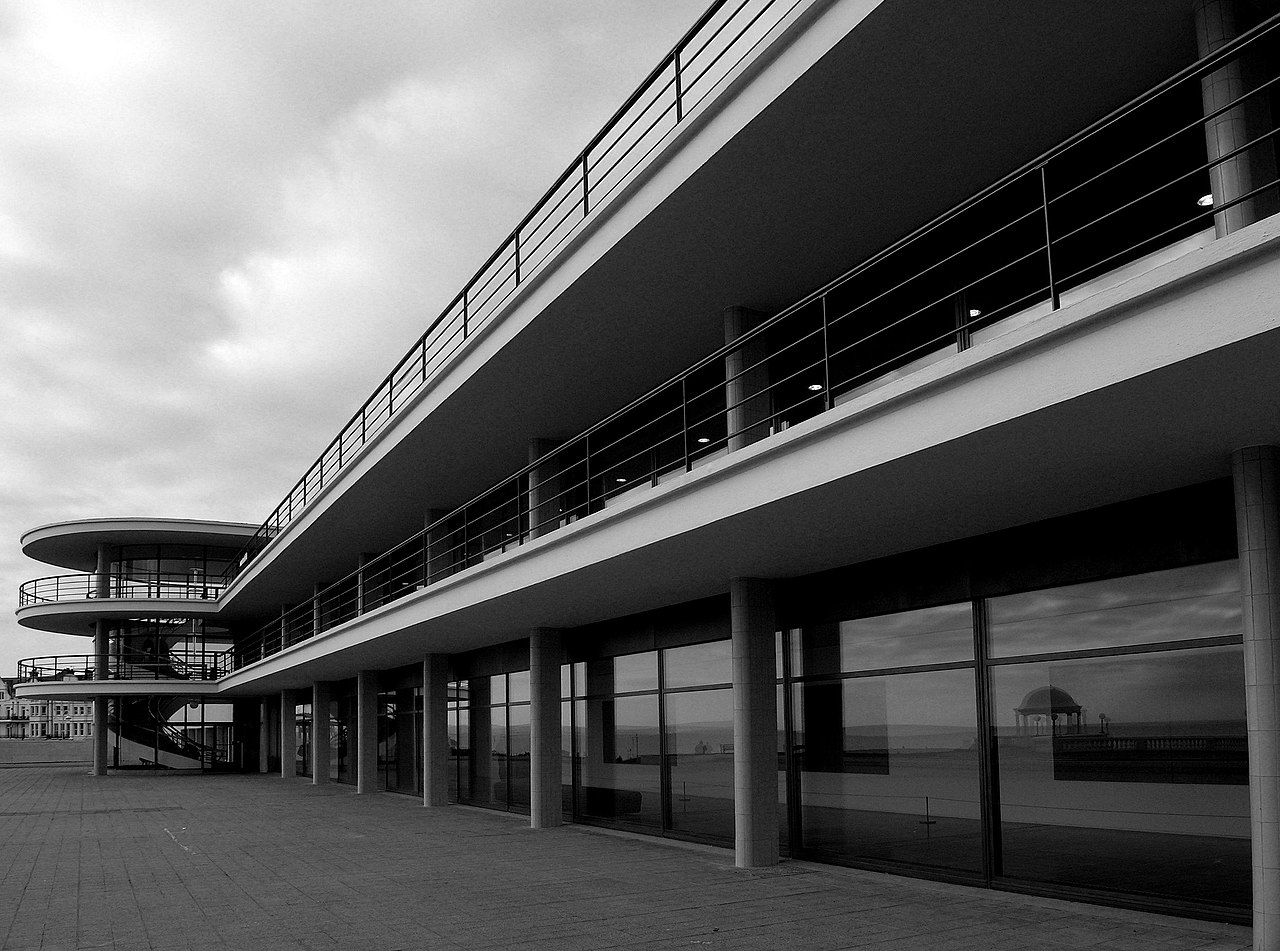
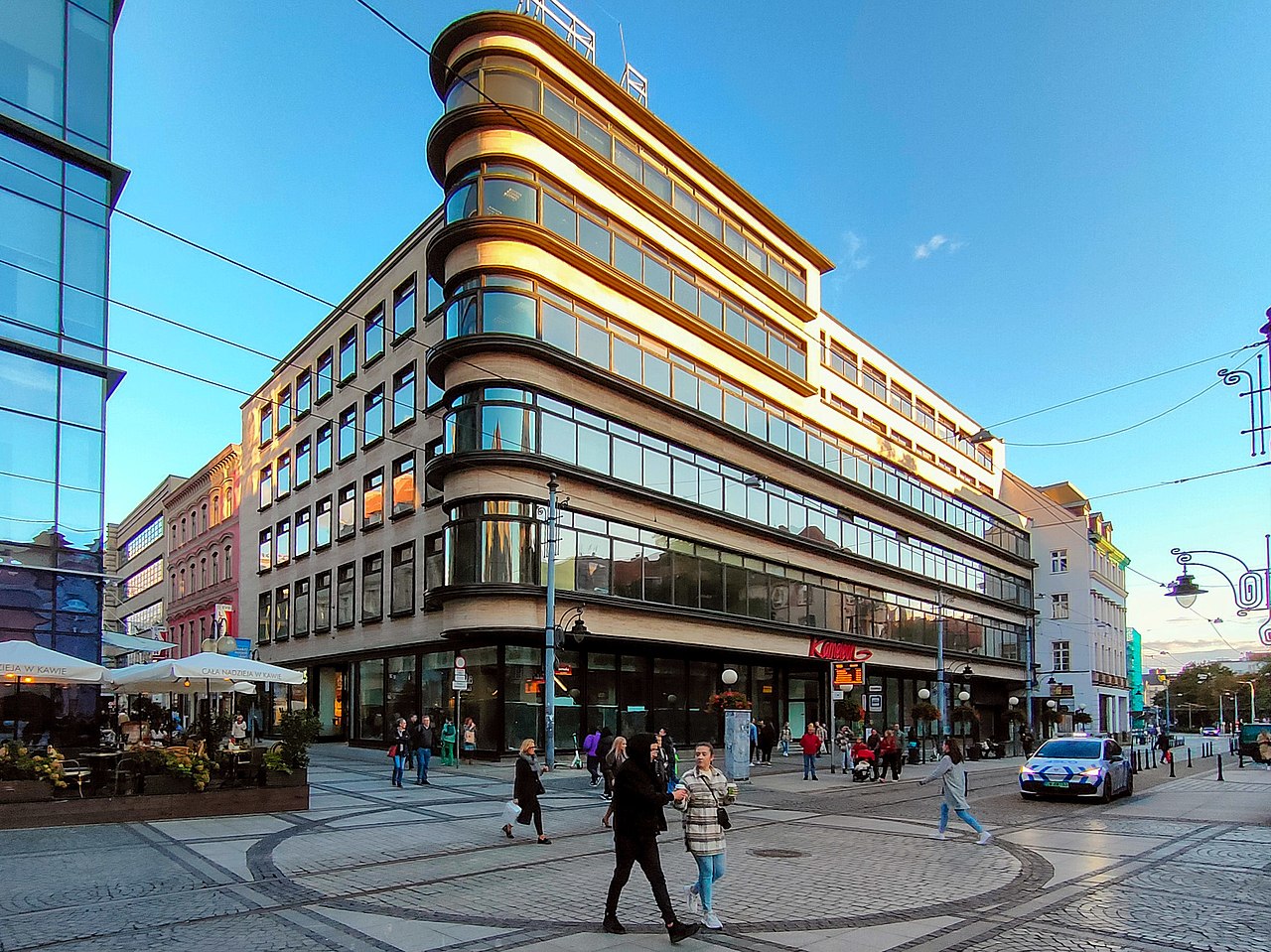
Mendelsohn's work is frequently associated with Expressionist architecture and later with streamlined, functional modern styles. He favored flowing, aerodynamic forms, bold horizontals and the use of concrete and brick to create sculptural facades. His projects often balance experimental form with practical programmatic needs, bridging expressive gestures and the emerging International Style. He also engaged with contemporary currents such as Art Deco and Streamline Moderne while remaining distinct in his emphasis on rhythm and motion.
Notable works
- Einstein Tower (Potsdam) — an observatory and iconic early work celebrated for its organic, sculptural concrete shell.
- Mossehaus and commercial projects in Berlin — renovations and new buildings that introduced dynamic facades into urban contexts.
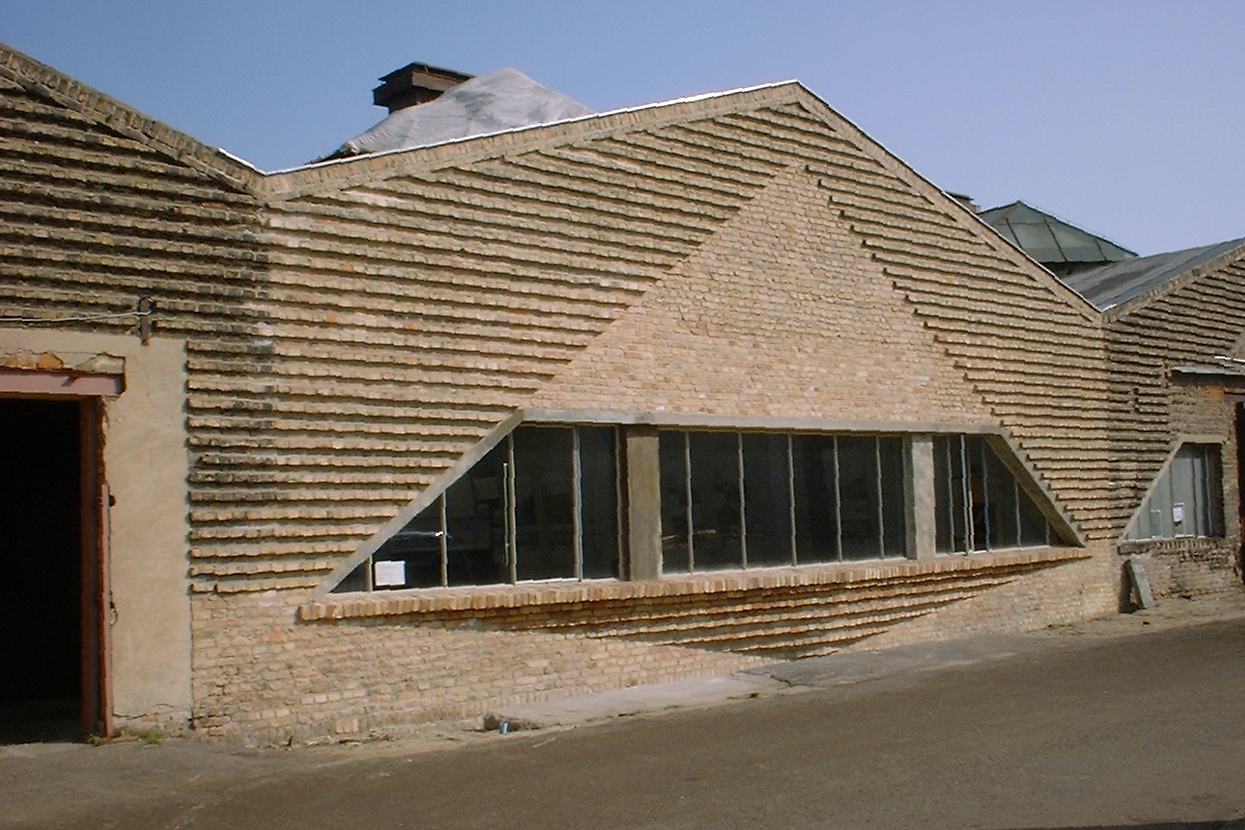
- Schocken department stores and the Luckenwalde hat factory — commercial and industrial commissions noted for their horizontality and large windows.
- Buildings and residences in the British Mandate of Palestine, including the Weizmann House, and later work in Britain and the United States.
Career and migration
Mendelsohn was born in Allenstein, then in Prussia. As a Jewish architect he left Germany after 1933 and continued to practice internationally. His itinerant career exposed him to diverse commissions and climates, which broadened his repertoire from avant-garde experiments to more restrained, functional buildings adapted to local needs.
Legacy and influence
Today Mendelsohn is recognized for expanding the expressive range of modern architecture and for projects that anticipated later modernist concerns about flow, transparency and industrial technique. His buildings remain studied for their formal inventiveness and for how they respond to program, culture and site. For further reading on his life and works see specialized monographs and museum catalogues, as well as online resources about modern architecture.
More broadly, Mendelsohn's career illustrates how political upheaval shaped architectural practice in the 20th century: dislocation led him to new contexts where he adapted his approach and continued to innovate until his death in San Francisco in 1953. For curated bibliographies and archival materials consult architecture libraries and institutional collections (architect resources).
Related articles
Author
AlegsaOnline.com Erich Mendelsohn: German expressionist architect and modernist innovator Leandro Alegsa
URL: https://en.alegsaonline.com/art/118593
Sources
- britannica.com : "Erich Mendelsohn"