
Eliel Saarinen: Finnish architect and educator
Eliel Saarinen (1873–1950) was a Finnish-born architect who led early Nordic Art Nouveau design and later influenced American modernism through teaching and work at Cranbrook and in the U.S.
Gottlieb Eliel Saarinen (August 20, 1873 – July 1, 1950) was a Finnish-born architect whose career bridged the decorative Art Nouveau of the early 20th century and the emerging modernist language that followed. Trained and first prominent in Finland, Saarinen later emigrated to the United States, where he taught and helped shape institutional design and architectural education.
Image gallery
10 Images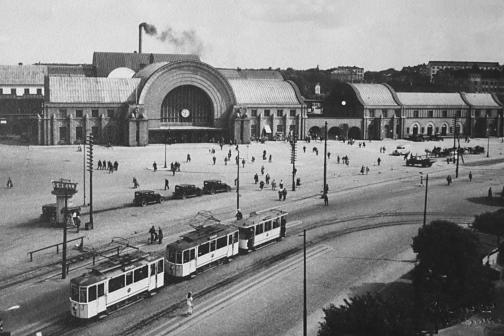




Style and characteristics
Saarinen's early work is associated with the Nordic variant of Art Nouveau (Jugendstil), recognized for its integration of craft, folk motifs and carefully modeled masonry. He favored strong, sculptural massing, natural and stylized ornament, and attention to materials. In later decades his designs moved toward simplified forms, clear proportions and an emphasis on planning and civic presence that anticipated aspects of modernism.
Major projects and collaborations
- Work with the firm Gesellius, Lindgren & Saarinen, including a distinctive studio-home complex that combined residence and workshop.
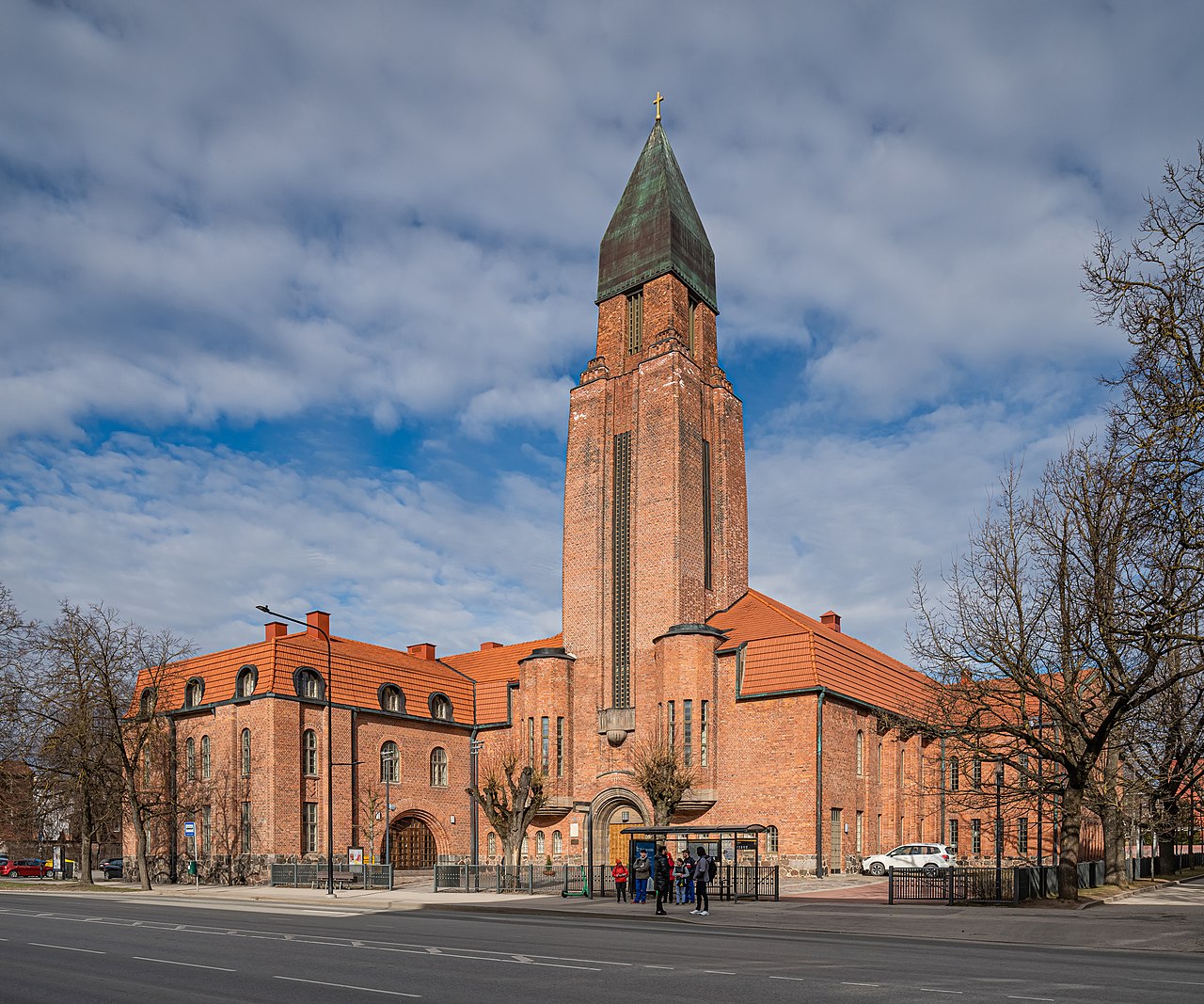
- Prominent public buildings in Helsinki and other Finnish towns that contributed to a national architectural identity.
- An influential entry in the 1922 Chicago Tribune competition that helped shift attitudes about high-rise design toward a more streamlined, vertical expression.
- Later work in the United States, especially his involvement in the planning and architectural leadership of the Cranbrook educational campus in Michigan.
Teaching and influence
Beyond individual buildings, Saarinen had a profound impact as an educator and mentor. In the United States he guided students and younger architects and contributed to curricula that linked craft, industrial design and architecture. His approach influenced a generation of designers, including his own family: his son Eero Saarinen became a major figure in mid-20th-century architecture.
Legacy
Saarinen is remembered for bridging national romantic expression and functional, modern planning. His buildings and teaching shaped both Finnish public architecture and several strands of American design education. For further reading, see a concise biography: Eliel Saarinen.
Related articles
Author
AlegsaOnline.com Eliel Saarinen: Finnish architect and educator Leandro Alegsa
URL: https://en.alegsaonline.com/art/118281