
Catherine of Siena (1347–1380) — mystic, reformer, and Doctor of the Church
Italian Dominican tertiary, mystic and writer who influenced the papacy, advocated church reform and charity; author of the Dialogue and declared a Doctor of the Church in 1970.
Overview
Catherine of Siena (born Katerina Benincasa, 1347–1380) is an important figure in late medieval Christianity. She is remembered as a mystic, prolific correspondent, and activist whose spiritual writings and political interventions left a lasting mark on the Catholic Church. Canonized in the 15th century, she was declared a Doctor of the Church in 1970 and is venerated as one of the patron saints of Italy.
Image gallery
10 Images
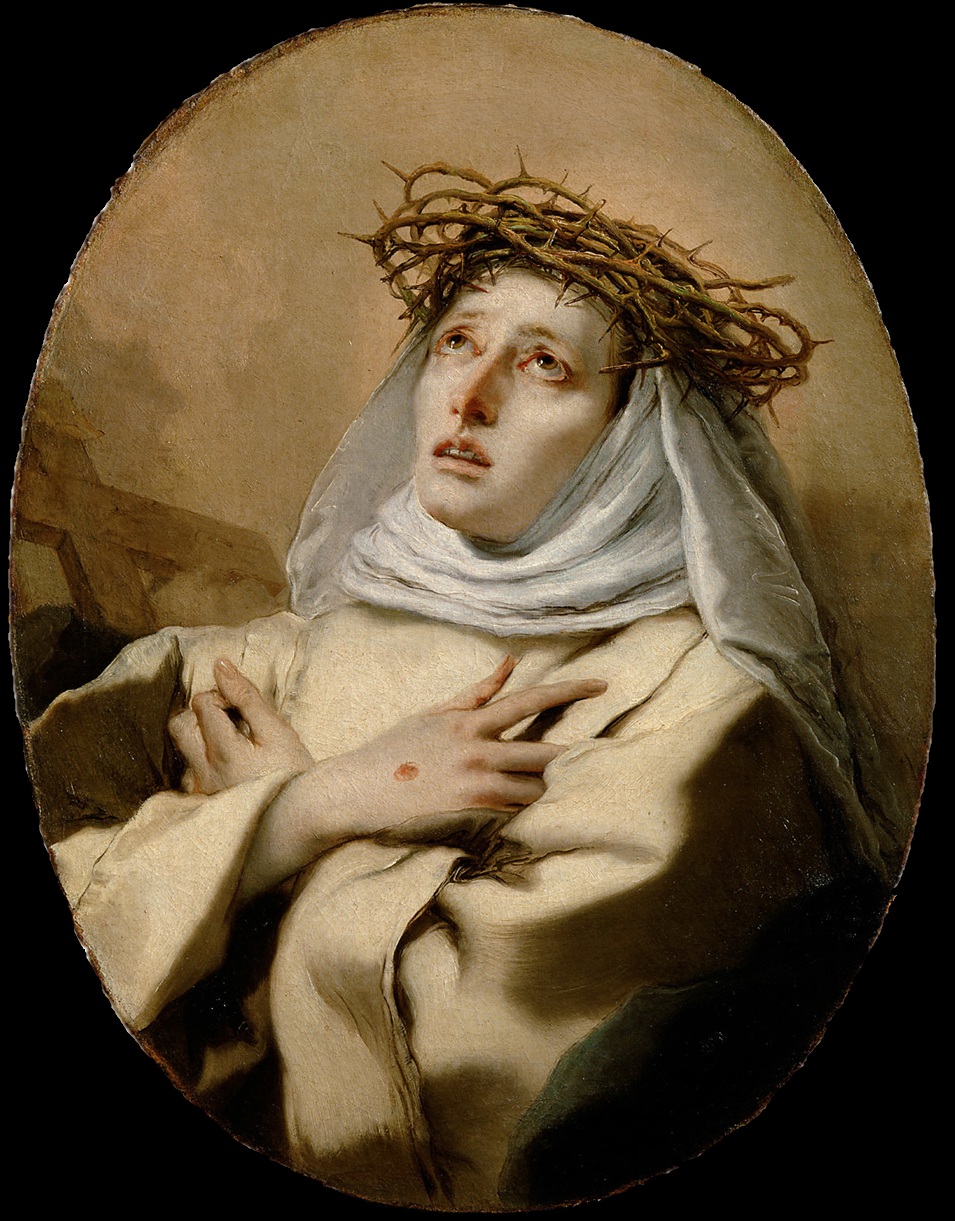



Life and background
Catherine was born into a working-class family in Siena during a period marked by social upheaval and plague. Traditions about her early life describe intense religious experiences from childhood and a commitment to ascetic practice. Rather than entering a convent in the usual way, she became a member of the Dominican Third Order, living a life of prayer and service while remaining in the world. In her thirties she traveled to Avignon and Rome to press for papal reform and reconciliation among Italian states.
Writings and spiritual practice
Although she did not receive extensive formal schooling, Catherine became known for the clarity and force of her theological and practical counsel. Her principal work, the Dialogue, presents a mystical theology that links love of God and neighbour and is framed as a conversation between the soul and Christ. She also dictated hundreds of letters to a variety of recipients—clerics, rulers, and ordinary people—urging repentance, charity, and ecclesiastical renewal.
Role in church and politics
Catherine combined contemplative devotion with active engagement in public affairs. She is particularly associated with efforts to convince the papacy to leave Avignon and return to Rome, a move often attributed in part to her personal appeals to Pope Gregory XI. She worked as a mediator in local disputes, promoted peace between rival Italian factions, and called for reform of clerical life and administration.
Legacy and significance
Catherine's reputation rests on the integration of mysticism and social concern: she modeled how intense personal devotion could lead to practical service and moral critique. Her Dialogue and letters influenced devotional practice and were read widely after her death. Modern scholarship also examines her life in the context of medieval gender, spirituality, and politics. She is commemorated in liturgy, art, and the naming of institutions throughout Italy and beyond.
Notable facts
- She lived during the era of the Black Death, which shaped the social background of her ministry.
- Accounts describe extreme fasting and asceticism; some modern writers discuss these practices cautiously.
- Stories of mystical experiences, a symbolic "marriage" to Christ, and marks borne after death are part of her traditional biography.
- Declared a Doctor of the Church in 1970 and named a patron of Europe in 1999.
Further reading and resources
- General overview of Catherine of Siena
- Siena: her birthplace and cultural context
- Rome: place of her final years and death
- Catherine's role in promoting peace in Italy
- Patronage and veneration in Italy
- Connection to Francis of Assisi and Italian sanctity
- Context: the Black Death and its effects
- Survival and social impact of plague-era communities
- The Dominican Third Order and lay religious life
- Avignon papacy and the return to Rome
- Medieval crusade movements and Catherine's views
- Jerusalem in medieval religious imagination
- Her canonization and recognition as Doctor of the Church
If you are researching Catherine of Siena, consult critical editions of her Dialogue and letters and reliable historical studies for context. Many collections of her correspondence offer insight into the range of people who sought her counsel and the issues that preoccupied late 14th-century Christendom.
Related articles
Author
AlegsaOnline.com Catherine of Siena (1347–1380) — mystic, reformer, and Doctor of the Church Leandro Alegsa
URL: https://en.alegsaonline.com/art/116106
Sources
- newadvent.org : St. Catherine of Siena at the Catholic Encyclopedia