
Siena (Sienna) — historic city in Tuscany, Italy
Hilltop city in Tuscany noted for its medieval centre, Gothic architecture, the Palio horse race, art and banking history. UNESCO World Heritage Site with about 54,000 residents.
Overview
Siena (often spelled Sienna in English) is a compact medieval city in the Tuscany region of central Italy. Perched on three hills, it retains a dense historic core of narrow streets, public squares and brick buildings. The population of the comune is roughly 54,000 inhabitants, and its historic centre is protected for its outstanding medieval urban fabric and civic architecture.
Image gallery
6 Images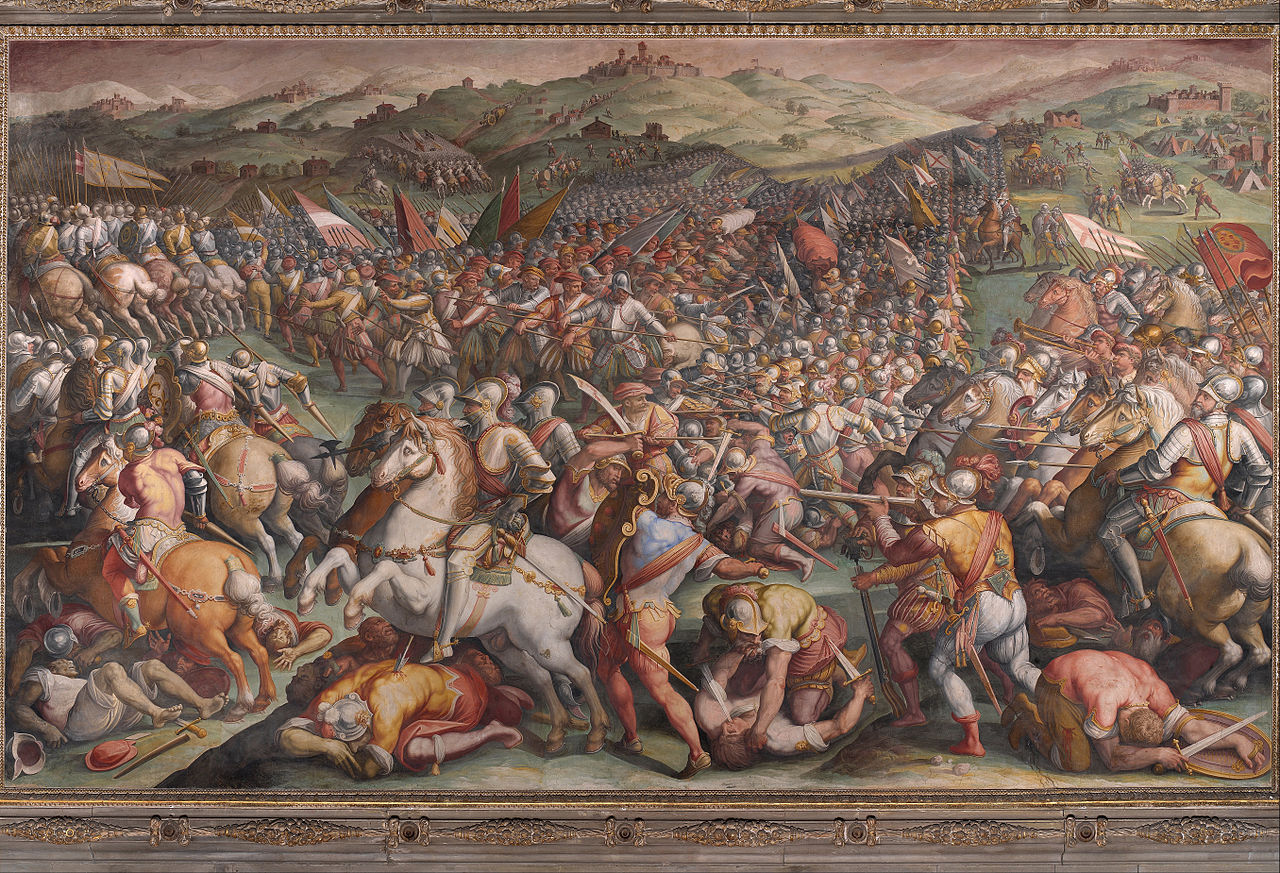


Characteristics and principal sites
The city's most famous public space is the fan-shaped Piazza del Campo, an open-air parterre bordered by Gothic palaces and dominated by the municipal tower. Nearby stands the Siena Cathedral (Duomo), a striking example of Italian Gothic with polychrome marble and an ornate interior that houses important works of painting and sculpture. Museums and churches concentrate artworks by medieval and early-Renaissance masters, while the pattern of narrow streets and surviving civic buildings make the centre a living example of a medieval city.
History and development
Siena traces its roots to Etruscan settlements and later became part of the Roman world. During the early Middle Ages it grew under Lombard and then Frankish influence. From the 11th and 12th centuries the city developed a republican government and economic institutions of its own. In the later Middle Ages Siena prospered through textile production, especially wool, and through financial services; the city was notable for the activities of money-lenders and institutions that evolved into modern banking. Rivalry with nearby Florence shaped much of the city's political and military history.
Culture, festivals and living traditions
Siena is internationally famous for the Palio, a spirited horse race that brings together the city's historical neighborhoods, known as contrade. Held twice each year, the Palio is preceded by elaborate pageantry, costumes and rituals that root the modern spectacle in centuries of civic identity. Local cuisine emphasizes Tuscan ingredients and traditions, with regional specialties available in family-run restaurants and markets.
Economy and civic life
The city's historic economy was built on textiles and banking; in more recent centuries financial institutions founded in Siena became integrated into national and international systems. Today, tourism, higher education and cultural services are important contributors to the local economy, alongside agriculture in the surrounding countryside. The conservation of the historic centre, protected as a World Heritage Site, has helped preserve both fabric and a tourism-based economy.
Notable facts and distinctions
- Siena's historic centre is a UNESCO World Heritage Site for its medieval urban form and civic monuments.
- The city retains a well-defined medieval street plan and many original public buildings.
- The Palio and the contrade system are living traditions that attract international visitors.
Further reading and resources
- City overview and government information
- Regional context: Tuscany
- Geography and maps
- Tuscany cultural resources
- Local language and names
- Demographic and population data
- UNESCO World Heritage listing
- Details on the World Heritage designation
- Sienese cuisine and food traditions
- Art and museum guides
- Etruscan origins and archaeology
- Siena under Roman rule
- Lombard influence in central Italy
- Frankish period and Charlemagne
- Medieval European context
- Records on Siena's republican institutions
- Florentine–Sienese rivalry and conflicts
- Medieval society and governance
- Renaissance interactions and influence
- Textile and wool industries in medieval Siena
- History of banking and money-lending
- Economic practices: lending and interest
- Financial instruments and local commerce
Questions and answers
Q: Where is Sienna located?
A: Sienna is located in the Italian region of Tuscany.
Q: How is the name of the city spelled in Italian?
A: The name of the city is spelled Siena in Italian.
Q: What is the population of Sienna?
A: The population of Sienna is about 54,000.
Q: What has been declared a World Heritage Site by UNESCO in Siena?
A: The historic centre of Siena has been declared a World Heritage Site by UNESCO.
Q: What is Siena famous for?
A: Siena is famous for its cuisine, art, museums, medieval cityscape and the Palio, a horse race held twice yearly.
Q: How did Siena begin?
A: Siena began as Etruscan before it was conquered by Ancient Rome.
Q: What did Siena excel in during the Middle Ages and the Renaissance?
A: Siena did well in wool and money lending or usury, the charging of interest on loans during the Middle Ages and the Renaissance.
Related articles
Author
AlegsaOnline.com Siena (Sienna) — historic city in Tuscany, Italy Leandro Alegsa
URL: https://en.alegsaonline.com/art/90275
Sources
- whc.unesco.org : "UNESCO-Historic Centre of Siena"
- whc.unesco.org : whc.unesco.org/
- euromonitor.com : "Euromonitor Internationals Top City Destinations Ranking > Euromonitor archive"