
Catherine of Valois (1401–1437): Queen of England and Tudor ancestor
French princess, wife of Henry V, mother of Henry VI, and consort whose later relationship with Owen Tudor led to the Tudor dynasty and long-term effects on English succession.
Overview
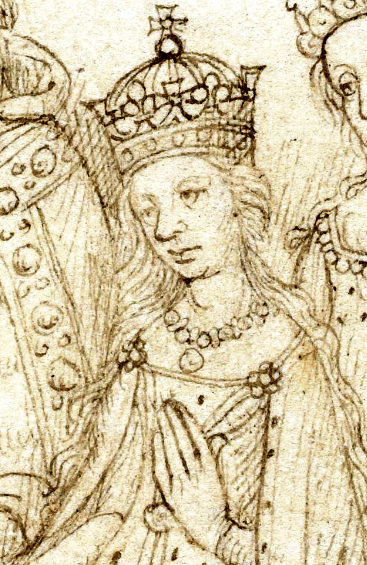
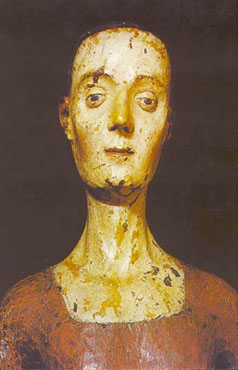
Catherine of Valois (27 October 1401 – 3 January 1437) was a French princess of the Valois dynasty who became queen consort of England through her marriage to Henry V. She was the daughter of Charles VI of France and his wife Isabeau of Bavaria. Her life linked the late medieval dynastic politics of France and England: as the bride of an English king she symbolised a temporary diplomatic settlement, and as the mother of an English monarch and later the partner of a Welsh courtier she was an ancestor of the Tudor dynasty.
Image gallery
4 Images

Early life and family
Catherine was born into a royal household troubled by faction and intermittent civil war. The Valois court under Charles VI faced domestic division and the military pressure of the ongoing conflict with England. As a royal daughter she was a valuable political asset; her marriage prospects were evaluated in the context of international diplomacy and the strategic aims of competing parties in France.
Marriage and the Treaty of Troyes
As part of efforts to resolve hostilities, the English king negotiated terms that led to the marriage of Catherine to Henry V of England. The engagement and wedding were bound to the terms commonly called the Treaty of Troyes, an accord in which the French king recognised the English king as his heir under specified conditions. Catherine and Henry were married on 2 June 1420, and she accompanied him to England. She was crowned at Westminster Abbey on 23 February 1421, becoming queen consort of England for a brief period.
Queen consort and motherhood
Catherine's principal public role as queen consort lasted little more than a year. She gave birth to a son, the future Henry VI, on 6 December 1421. Her husband, Henry V, returned to campaigns in France and died of illness at the siege of Meaux on 31 August 1422. With the deaths of both Henry V and, shortly after, her father Charles VI, the infant Henry became king of England, while the politics of his inheritance and the control of English possessions in France entered a period of regency and dispute.
Widowhood, legal restrictions and political context
After Henry V's death Catherine was a young widow and the dowager queen. English law and parliamentary statute placed restrictions on the remarriage of a dowager queen without the sovereign's consent. These measures aimed to protect royal interests, prevent the uncontrolled acquisition of lands or influence by a new husband, and preserve the integrity of regency arrangements while the king remained a minor. In practice the rules meant Catherine's personal choices were constrained by the political need to safeguard the realm during Henry VI's minority.
Relationship with Owen Tudor
Catherine subsequently formed a private relationship with a Welsh courtier, Owen Tudor. Contemporary records do not provide a universally accepted formal marriage ceremony between them, and later chroniclers and genealogists offer differing accounts. The liaison appears to have been relatively discreet compared with her earlier dynastic marriage, but it produced at least three sons who figure in later English history. The best-known of these children was Edmund Tudor, who became the father of Henry VII, founder of the Tudor dynasty.
Children and family legacy
- Henry — son by Henry V, later king as Henry VI.
- Edmund Tudor — son of Owen and Catherine, father of Henry VII.
- Jasper Tudor — another son linked to the Tudor contribution to later Lancastrian and Tudor politics.
- Other children — historical sources mention additional sons and daughters, though records vary and some of their lives were spent away from the centre of courtly power.
Later life and death
Catherine's later years were lived largely out of public political leadership, though her status and connections continued to matter to factions and later genealogical claims. She died on 3 January 1437 in London. Contemporary and near-contemporary sources report that her death occurred shortly after childbirth; she was buried according to royal custom. The precise circumstances of her final months are described cautiously in surviving accounts, which reflect the limited documentation for private life even when public events were well recorded.
Historical debates and interpretation
Scholars consider Catherine's life significant for several reasons. Her marriage under the Treaty of Troyes formed part of a major diplomatic moment that reshaped Anglo-French claims for a generation. Her role as dowager queen raised questions about legal authority and regency during a king's minority. Finally, the relationship with Owen Tudor and the children attributed to that union created genealogical links that later allowed the Tudors to press a claim to the English throne. Historians debate the degree to which Catherine's private choices influenced public events, and how later political uses of her ancestry were shaped by subsequent dynastic needs.
Legacy
Catherine of Valois remains a figure studied in the contexts of diplomacy, royal marriage, and the formation of dynastic claims. As a transitional figure between Valois France and Lancastrian England, and as an ancestor of the Tudor line, her biography is important for understanding the personal and legal dimensions of medieval monarchy. Readers interested in contemporary documents or modern scholarship may consult edited collections of medieval records and recent biographies that examine the treaty settlement, regency laws, and genealogical consequences of her life.
For further reading and primary sources, consult standard histories of late medieval England and France and specialised studies of the Hundred Years' War and the early Tudor period. Digital and physical archives hold charters, parliamentary rolls and chronicles that illuminate the legal and personal details of her life and family; many modern works synthesise these primary materials for a broader audience.
Key names and terms associated with Catherine include Henry V, Henry V of England (alternative reference), Henry VI, Charles VI, Isabeau of Bavaria, the Treaty of Troyes, Westminster Abbey, Owen Tudor, Edmund Tudor and Henry VII.
Related articles
Author
AlegsaOnline.com Catherine of Valois (1401–1437): Queen of England and Tudor ancestor Leandro Alegsa
URL: https://en.alegsaonline.com/art/116107