
Cathy Freeman — Australian 400m sprinter and 2000 Olympic champion
Overview of Cathy Freeman: Australian Aboriginal sprinter, 2000 Olympic 400m champion who lit the Sydney cauldron; her career, background, major wins and cultural legacy.
Overview
Cathy Freeman is a retired Australian sprinter best known for competing in the 400 metres. Rising to international prominence in the 1990s, she became a symbol of sporting excellence in Australia and a high-profile representative of Indigenous Australians. Her athletic career included medals at Olympic Games, World Championships and Commonwealth Games, and she remains widely recognised for both her performances on track and her cultural significance.
Image gallery
3 Images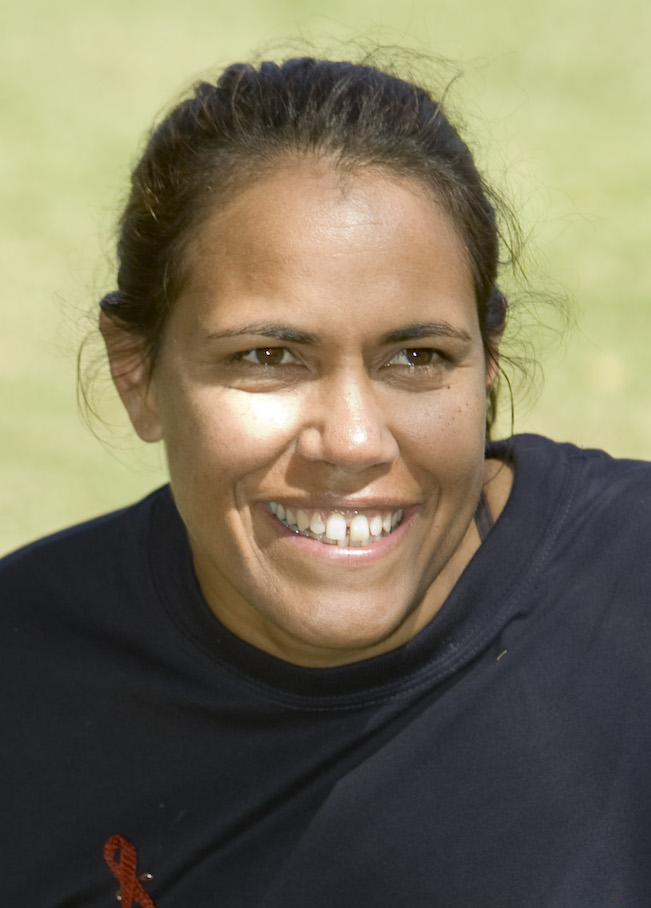


Early life and background
Freeman was born on 16 February 1973 in Slade Point, Mackay, Queensland — a detail often noted in biographical summaries (Mackay, Queensland). She is of Aboriginal descent; her mother came from the Manbarra community on Palm Island (Palm Island). Freeman was raised in the Bahá'í faith, a facet of her upbringing she has discussed publicly (Bahá'í).
Athletic career and major achievements
Specialising in the one-lap 400 metres, Freeman won medals across major global competitions. After breaking through on the world stage in the 1990s, she won the world title in the 400m and earned an Olympic silver medal before achieving the peak of her career at the 2000 Sydney Olympics, where she claimed the gold in the women's 400 metres (2000 Summer Olympics). At the same Games she had the honour of lighting the Olympic cauldron, an image that became synonymous with the Sydney Olympic moment (lighting the Olympic Flame).
Honours, awards and recognition
Freeman received widespread recognition during and after her career. In 1998 she was named Australian of the Year, and in later years she was awarded national and international sporting honours, including the Medal of the Order of Australia. Her successes at Commonwealth Games and IAAF World Championships added to a decorated competitive résumé (Commonwealth Games results, athletics profile).
Legacy and later life
Freeman retired from elite athletics in 2003 and has since remained a prominent public figure. Beyond sport, she is recognised for her role in bringing attention to Indigenous issues in Australia and for charitable and community efforts. Her status as both an elite athlete and a cultural figure has made her an enduring part of Australia's sporting history.
Notable facts and summary list
- Specialty: 400 metres sprint.
- Olympic champion and torchlighter at the Sydney 2000 Games (2000 Olympics, lighting ceremony).
- Medals at World Championships and multiple Commonwealth Games (Commonwealth, World Athletics).
- Born in Slade Point, Mackay, Queensland; Aboriginal heritage with family links to Palm Island (Mackay, Manbarra).
- Awards include Australian of the Year and the Medal of the Order of Australia (Australian of the Year).
For further reading and official profiles, see linked resources and archived athlete records (biography, statistics).
Related articles
Author
AlegsaOnline.com Cathy Freeman — Australian 400m sprinter and 2000 Olympic champion Leandro Alegsa
URL: https://en.alegsaonline.com/art/116113
Sources
- guardian.co.uk : "50 stunning Olympic moments No9: Cathy Freeman wins gold for Australia"
- torchrelay.beijing2008.cn : TorchRelay – Photos: Cathy Freeman lights the Olympic Flame
- abc.net.au : Cos I'm Free (AKA Cathy Freeman)
- theage.com.au : The love and pain that inspire Cathy, Top athlete may journey from the winner's podium to the Academy Awards
- penguin.com.au : Born to Run (extract)