
1830 — Revolutions, railways and a turning point in 19th-century Europe
Overview of 1830: a pivotal year of revolutions in Europe, early railway expansion, cultural shifts in Romanticism, and major international developments such as U.S. Indian removal policy.
The year 1830 is often treated as a pivotal moment in the long nineteenth century: a year when political upheaval, technological advance and cultural change converged. Popular uprisings, the spread of steam transport and energetic artistic debates together signalled accelerating transitions in politics, economy and everyday life across Europe and beyond.
Image gallery
10 Images




Major political events and uprisings
In France the July Revolution (late July 1830) overthrew the conservative Bourbon government and brought a constitutional monarchy under a new royal house. The insurrection entered public memory as an emblem of liberal protest against reactionary rule. In the Low Countries a revolt that began in 1830 produced the separation of the southern provinces and the creation of a new Belgian polity, challenging the post-Napoleonic order. In the Polish lands an armed uprising against imperial Russian rule erupted late in the year, reflecting national aspirations and the tensions of multiethnic empires. Together these events showed the renewed force of nationalism, demands for political participation and resistance to restoration-era conservatism.
Industry, transport and the early railway age
1830 fell in the early phase of railway expansion. One of the first important inter-city steam railways opened that year, linking industrial towns and ports and proving the viability of scheduled passenger and freight services. The growth of steam traction and purpose-built lines accelerated the movement of coal, raw materials and manufactured goods, helped concentrate industry in urban areas, and began to reshape travel, communications and the geography of economic life.
Arts, literature and public life
Cultural life reflected political restlessness. Romanticism remained a dominant artistic tendency, with writers, painters and composers exploring individual feeling, national history and dramatic expression. New orchestral and theatrical works attracted intense public attention; for example, major premieres in Paris and other cultural centres intensified debates about form, emotion and public taste. Print culture, theatre and concert life grew with expanding urban audiences.
Events beyond Europe
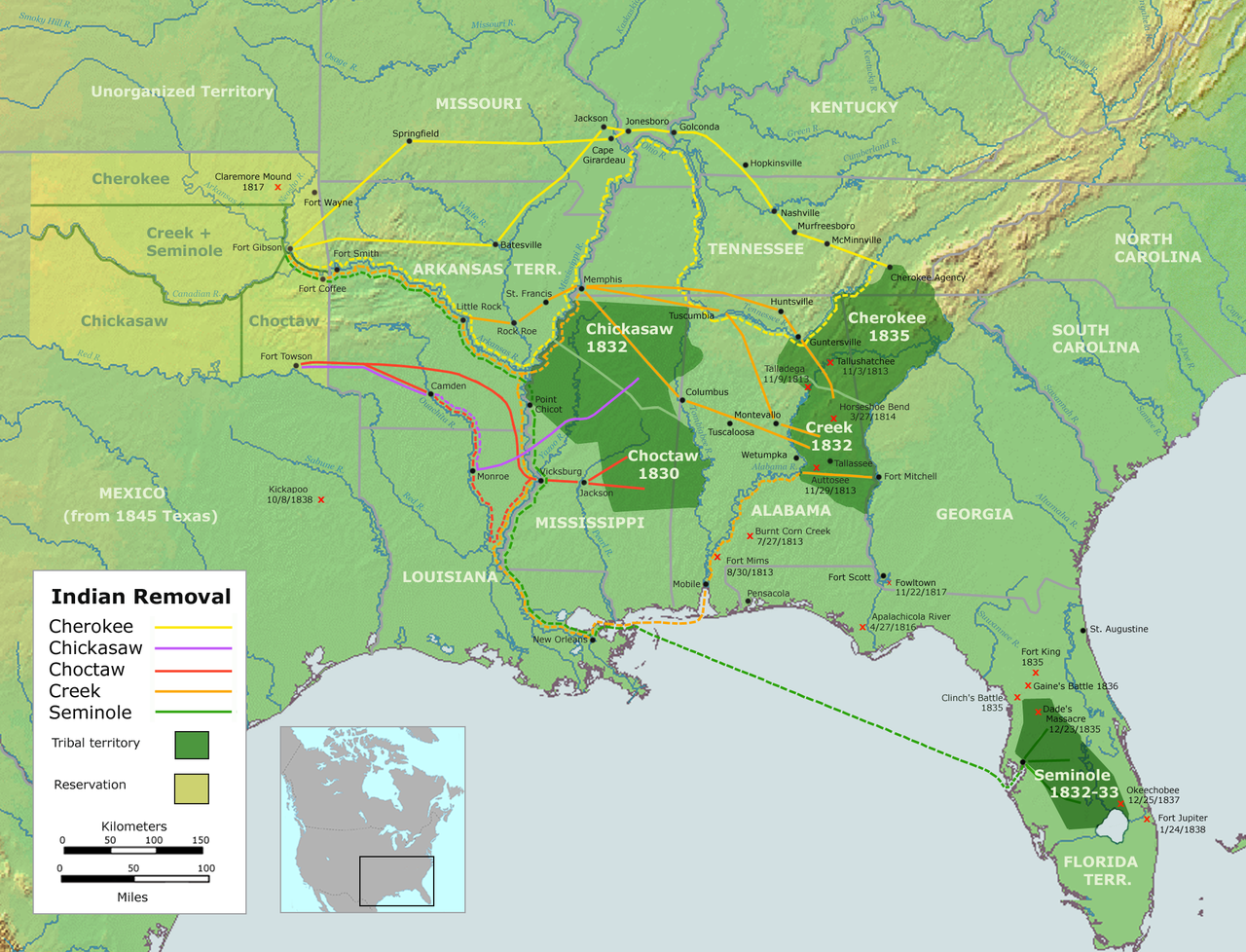
Outside Europe, states and societies confronted their own turning points. In the United States, federal policy toward Indigenous peoples shifted decisively with the passage of the Indian Removal Act in 1830, intensifying resettlement and dispossession. Many Latin American states continued processes of consolidation and international diplomacy after earlier independence wars, while other regions experienced their own local political and economic adjustments.
Legacy and significance
The combined political, technological and cultural changes of 1830 did not resolve all tensions, but they helped set trajectories for subsequent decades. Revolutions and national movements influenced later demands for reform and state-building; railways promoted economic integration and urban growth; and artistic controversies contributed to the emergence of a modern public sphere. In sum, 1830 stands as a year when long-standing orders were widely challenged and new pathways of modernisation became clearer.
Related articles
Author
AlegsaOnline.com 1830 — Revolutions, railways and a turning point in 19th-century Europe Leandro Alegsa
URL: https://en.alegsaonline.com/art/111784