
House of Bourbon: European royal dynasty
A major cadet branch of the Capetian dynasty that furnished kings of France and Spain and ruled several Italian states; its branches shaped European politics from the 16th century to the present.
Overview
The House of Bourbon is one of the principal royal dynasties of modern Europe. Originating as a cadet line of the Capetian dynasty, Bourbon princes and kings played central roles in the political, cultural and colonial history of the continent. Members of the house became monarchs of France, later established ruling lines in Spain, and held crowns in several Italian states.
Image gallery
9 Images


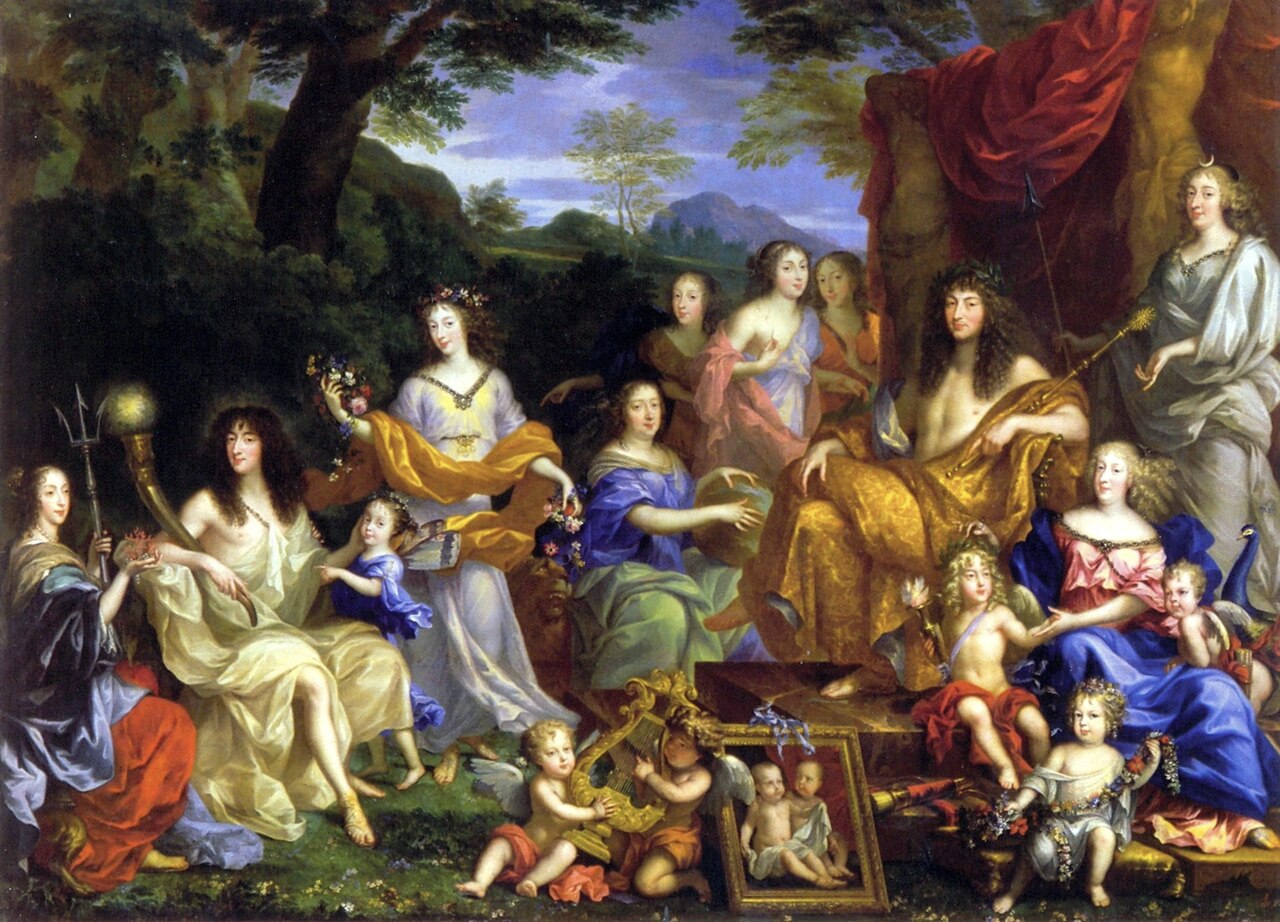


Origins and branches
The Bourbon family began as a cadet line of the medieval Capetians. Over centuries it split into several cadet branches, each taking its own territorial name. The main branches historically recognized are Bourbon-Vendôme (the senior line that produced French kings), Bourbon-Anjou (the Spanish line), Bourbon-Parma, Bourbon-Two Sicilies and the Orleans branch. These branches sometimes competed for succession rights and sometimes intermarried with other dynasties.
Major reigns and territories
Bourbon rule in France began with Henry IV in 1589 and continued until the monarchy was abolished in the Revolution of 1792. After the downfall of Napoleon, Bourbon monarchs were restored to the French throne in the 19th century. The Spanish Bourbon dynasty began in 1700 when Philip V, a grandson of Louis XIV of France, inherited the Spanish crown; that line continues today under King Felipe VI of Spain. Other Bourbon rulers held power in southern Italy and the central Italian duchies, including periods of rule in Naples and Sicily, and the small duchy of Parma.
Notable figures and characteristics
- Henry IV of France — brought the Bourbon line to the French throne and promoted religious reconciliation.
- Louis XIV — the "Sun King," exemplified monarchical absolutism and transformed French culture and administration.
- Louis XVI — reigned during the French Revolution and was executed in 1793, marking the end of Bourbon rule until the Restoration.
Legacy and modern connections
The Bourbons left enduring institutions: centralized royal administration, patronage of the arts, and colonial policies under Bourbon Spain. Inheritance disputes and competing royalist movements have kept Bourbon claims alive in several countries as historical and dynastic controversies. Members of the Bourbon-Parma branch have intermarried with the Grand Ducal family of Luxembourg, illustrating the dynasty's continuing ties with European royal houses. Today the Bourbons survive as reigning monarchs in Spain and as pretenders or dynastic figures in other states.
Further notes
The complex family tree of the House of Bourbon has produced many offshoots and rival claimants; some branches adopted different political stances (for example, legitimists and orleanists in France). For readers seeking more detail, studies of each branch illuminate how the Bourbons adapted to changing political landscapes across centuries.
More on the House of Bourbon · European dynasties · French monarchy · Capetian dynasty · Naples · Sicily · Parma · Luxembourg connections · Spanish Bourbons
Related articles
Author
AlegsaOnline.com House of Bourbon: European royal dynasty Leandro Alegsa
URL: https://en.alegsaonline.com/art/45301