
Outlaw (legal and cultural concept)
An outlaw is a person placed outside the protection of the law or described as habitually criminal; the term has legal origins and broad cultural meanings in history, literature and popular culture.
An outlaw is commonly understood as a person who exists "outside the law" either because they have been formally excluded from legal protection or because they habitually commit serious wrongdoing. The word is used in legal, historical and popular contexts to describe individuals or groups whose conduct places them beyond ordinary legal safeguards and social acceptance.
Image gallery
6 Images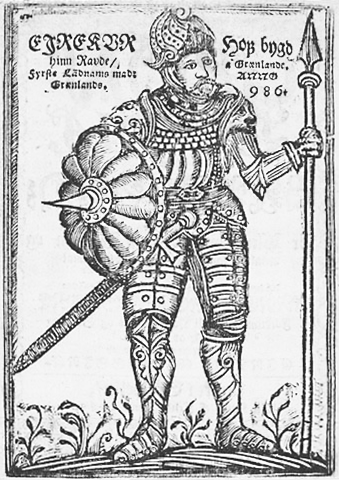



Definition and legal status
Historically, outlawry was a formal legal status: a court or sovereign could declare someone an outlaw, meaning authorities and private citizens were freed from the usual obligations to protect or assist that person. In modern usage, the term often functions as a synonym for criminal, bandit, or gangster. The concept sits at the intersection of criminal law and social sanction — see also law for background on legal processes.
History and development
Formal outlawry appears in medieval European codes and in other legal traditions where rulers used banishment or exclusion as punishment. On frontiers and in periods of weak governance, groups labeled as outlaws — such as bandits or pirates — could control territory and operate outside state authority. Over time the label migrated into folklore and national storytelling, where it has sometimes been romanticized.
Characteristics and types
- Legal outlawry: a judgment removing legal protections.
- Criminal outlaw: individuals persistently engaged in violent or organized crime.
- Social outlaw: marginalized persons or groups living beyond recognized norms.
- Political outlaw: rebels or insurgents regarded by authorities as outside lawful order.
Outlaws may be associated with armed violence, theft, or other serious crimes, but the term can also cover people forced into extralegal living by social or economic pressures. The practical consequences vary: in some eras it meant forfeiture of property and loss of legal remedies; in others it was mainly a stigmatizing label.
In culture and media, outlaws appear in ballads, novels and films as both villains and folk heroes. Notable fictional and historical figures have shaped the public image of the outlaw as a symbol of resistance, lawlessness, or social protest. Understanding the term requires attention to legal history, social context and the line between criminality and political dissent.
Related articles
Author
AlegsaOnline.com Outlaw (legal and cultural concept) Leandro Alegsa
URL: https://en.alegsaonline.com/art/73664
Sources
- boldoutlaw.com : "Robin Hood"
- crivoice.org : "The Edict of Worms (1521)"
- cultureandrecreation.gov.au : "Ben Hall and the outlawed bushrangers"
- shs.umsystem.edu : "Jesse James (1847 – 1882)"