
Augustus Garrett — 19th-century Chicago mayor (1801–1848)
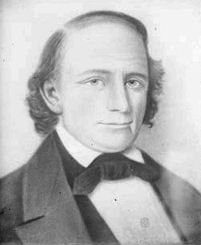
Augustus Garrett (1801–1848) was an American Democratic politician who served two nonconsecutive terms as Mayor of Chicago in the 1840s. Born in New York City, he died in Chicago in 1848.
Overview
Augustus Garrett (1801–November 30, 1848) was an American politician who served two nonconsecutive terms as Mayor of Chicago in Illinois, holding office in 1843–1844 and again in 1845–1846. He was affiliated with the Democratic Party during a formative decade for the city, when municipal institutions and basic public services were being established.
Image gallery
2 Images
Early life and move to the Midwest
Garrett was born in 1801 in New York City, New York. Biographical details of his youth and early career are limited in surviving sources; he is documented as a Chicago resident and civic actor by the early 1840s. Like many men of his era who entered municipal politics, Garrett combined public service with private business interests that tied him to the local economy.
Mayoral terms and political context
Garrett's two nonconsecutive terms occurred within a few years of Chicago's incorporation (1837) and during rapid growth fueled by trade and transportation improvements. Municipal leaders at the time dealt with foundational tasks: organizing street layouts, establishing markets and public squares, supervising bridges and docks, and responding to recurring public health and safety challenges. Election contests were often competitive and reflected national party alignments as well as local concerns about development and commerce.
Responsibilities and initiatives
- Supervision of early public works, including streets, bridges and drainage;
- Coordination with aldermen and state officials to secure authorization or funding for improvements;
- Oversight of ordinances affecting commerce, property use and municipal revenues;
- Attention to public order, firefighting arrangements and sanitation measures common to mid-19th-century cities.
Later life and death
Contemporary records note that Garrett was married to Elize Clark; the couple had no children. He died in Chicago on November 30, 1848, reportedly of a heart attack. His death came at a time when the city continued to expand rapidly, and the political leaders of the 1840s helped set precedents for later municipal administration.
Legacy and sources
Augustus Garrett is not among the most widely remembered of Chicago's early mayors, but his service illustrates the practical challenges of governing a frontier boomtown that was becoming an urban center. For researchers and readers seeking more information, municipal records, city council minutes and contemporary newspapers from the 1840s can provide primary documentation of elections, ordinances and civic projects. Local historical societies and city archives hold the most direct collections related to his administrations.
Further general context about the period can be found in histories of Chicago's early growth, studies of 19th-century urban government in the United States, and compilations of mayoral lists and municipal charters. For brief reference, see printed and digitized municipal rosters and period newspapers available through library collections and archival repositories.
Where primary details are sparse, histories note Garrett mainly for his two-term service and Democratic affiliation during a key decade of Chicago's nineteenth-century development.
Related articles
Author
AlegsaOnline.com Augustus Garrett — 19th-century Chicago mayor (1801–1848) Leandro Alegsa
URL: https://en.alegsaonline.com/art/114722