
Aurangzeb (Muhi al‑Din Muhammad) — Sixth Mughal Emperor
Aurangzeb (Muhi al‑Din Muhammad) ruled the Mughal Empire from 1658 to 1707. His long reign expanded imperial territory, shaped administration, and remains controversial for religious policies and protracted southern wars.
Overview
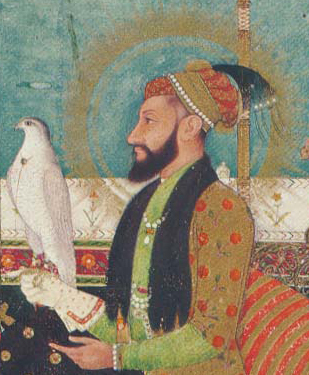
Aurangzeb (born Muhi al‑Din Muhammad; Arabic: Muḥī al‑Dīn Muḥammad) was the sixth ruler of the Mughal dynasty, reigning from 1658 until his death in 1707. He adopted the imperial title Alamgir, meaning "World Conqueror," and presided over a very extensive realm centered in the Indian subcontinent. His nearly five decades on the throne are remembered for territorial expansion, intense military campaigns in the Deccan, administrative continuity with Mughal institutions, and contested religious measures that have produced diverse historical interpretations.
Image gallery
10 Images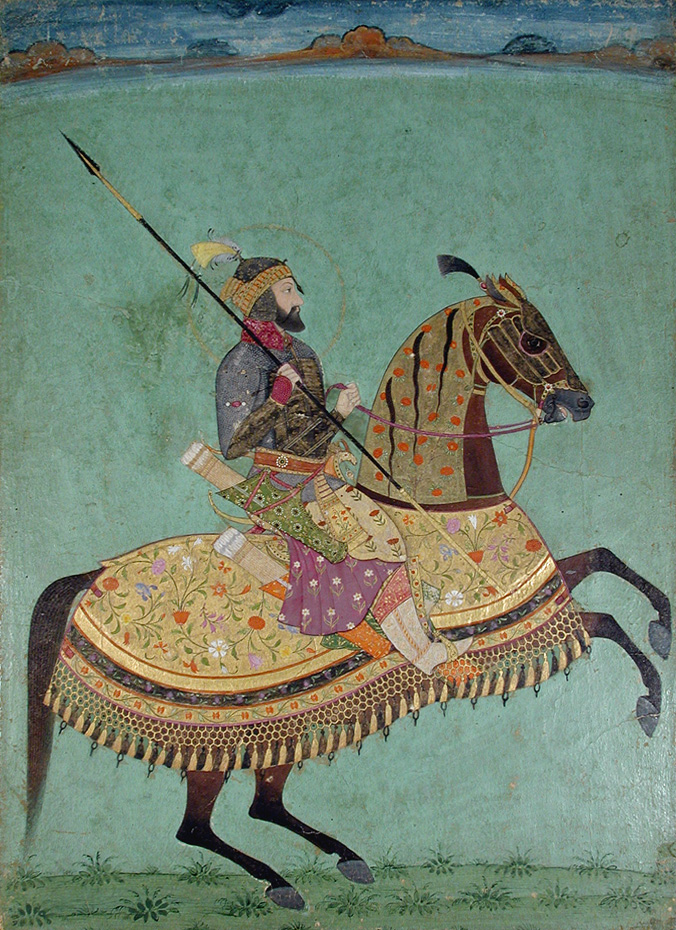



Early life and accession
Born into the imperial family, Aurangzeb was one of several sons of Emperor Shah Jahan. Competition among princes over succession was characteristic of the Mughal court, and Aurangzeb secured power after a series of conflicts with his brothers. He confined his father, the deposed Shah Jahan, to Agra Fort; Shah Jahan remained alive under house arrest until his death. Aurangzeb eliminated or neutralized rival claimants, including Dara Shikoh, and consolidated control in 1658.
Administration and governance
As emperor, Aurangzeb maintained core Mughal institutions such as the mansabdari system (a framework for military and civil ranks), revenue collection from land, and a centralized bureaucracy. He was personally pious and supported Islamic learning; during his reign a legal digest known as the Fatawa‑i‑Alamgiri was compiled to collect and systematize aspects of Islamic law for use in the empire. Administratively, the empire reached one of its largest territorial extents under his command, although managing far‑flung provinces proved increasingly costly and complex.
Religion and policy
Aurangzeb is frequently described as a devout Sunni Muslim who sought to govern according to orthodox principles; commentators note measures such as the reimposition of the jizya (a tax on certain non‑Muslim subjects) and patronage of Islamic institutions. At the same time, he continued to employ non‑Muslims in the imperial administration and relied on established revenue and military systems that were not exclusively religious in character. Historians debate whether his policies were primarily driven by religious zeal, political necessity, or fiscal and military considerations; interpretations vary widely and remain a subject of scholarship.
Military campaigns and the Deccan
Much of Aurangzeb's reign was occupied by extended campaigns in southern India against independent sultanates and rising regional powers, notably the Maratha polity. He annexed the important Deccan states of Bijapur and Golconda in the 1680s, but the prolonged warfare strained imperial finances and tied down large portions of the Mughal military. Resistance, particularly from Maratha leaders, continued for decades and contributed to the gradual weakening of central authority after Aurangzeb's death.
Death, succession and legacy
Aurangzeb died in 1707 after a long reign; he was buried in a simple grave near Khuldabad in the Deccan. His successors were unable to maintain the same level of central control, and the Mughal polity experienced fragmentation and decline in the 18th century. Aurangzeb's legacy is complex: he is seen by some as an able administrator and military leader who extended Mughal power, and by others as an intolerant ruler whose policies aggravated communal tensions and undermined imperial cohesion. Modern scholarship tends to treat his record with nuance, acknowledging both administrative strengths and the long‑term consequences of endless warfare and controversial policies.
- Full name: Muhi al‑Din Muhammad Aurangzeb (imperial title: Alamgir)
- Reign: 1658–1707
- Notable actions: Compilation of legal texts (Fatawa‑i‑Alamgiri), expansion into the Deccan, contested religious policies
- Related figures & topics: Shah Jahan, the Mughal Empire, Islam, Sharia
Further reading and research into Aurangzeb should consult a range of primary sources and modern scholarship to understand how political, economic, military, and religious factors intersected during his long and consequential reign. For additional references, see general histories of the Mughal period and specialized studies on Deccan warfare, imperial administration, and religious policies.
Related articles
Author
AlegsaOnline.com Aurangzeb (Muhi al‑Din Muhammad) — Sixth Mughal Emperor Leandro Alegsa
URL: https://en.alegsaonline.com/art/114734
Sources
- doi.org : 10.1017/S0026749X05002313
- gyanipandit.com : "Aurangzeb"