
Aung San Suu Kyi: Myanmar's pro-democracy leader and contested stateswoman
Profile of Aung San Suu Kyi, Burmese political leader and Nobel laureate: her life, political career, awards, periods of detention, international criticism, and the 2021 military coup.
Overview
Aung San Suu Kyi (born 19 June 1945 in Yangon, then Rangoon) is a Burmese politician, Nobel Peace Prize laureate and a central figure in Myanmar's modern struggle for democratic reform. Daughter of independence leader Aung San, she became an international symbol of nonviolent resistance after returning to Burma in 1988 to care for her ailing mother and joining the pro-democracy movement. Over decades she combined political leadership with long periods of house arrest and international advocacy.
Image gallery
10 Images


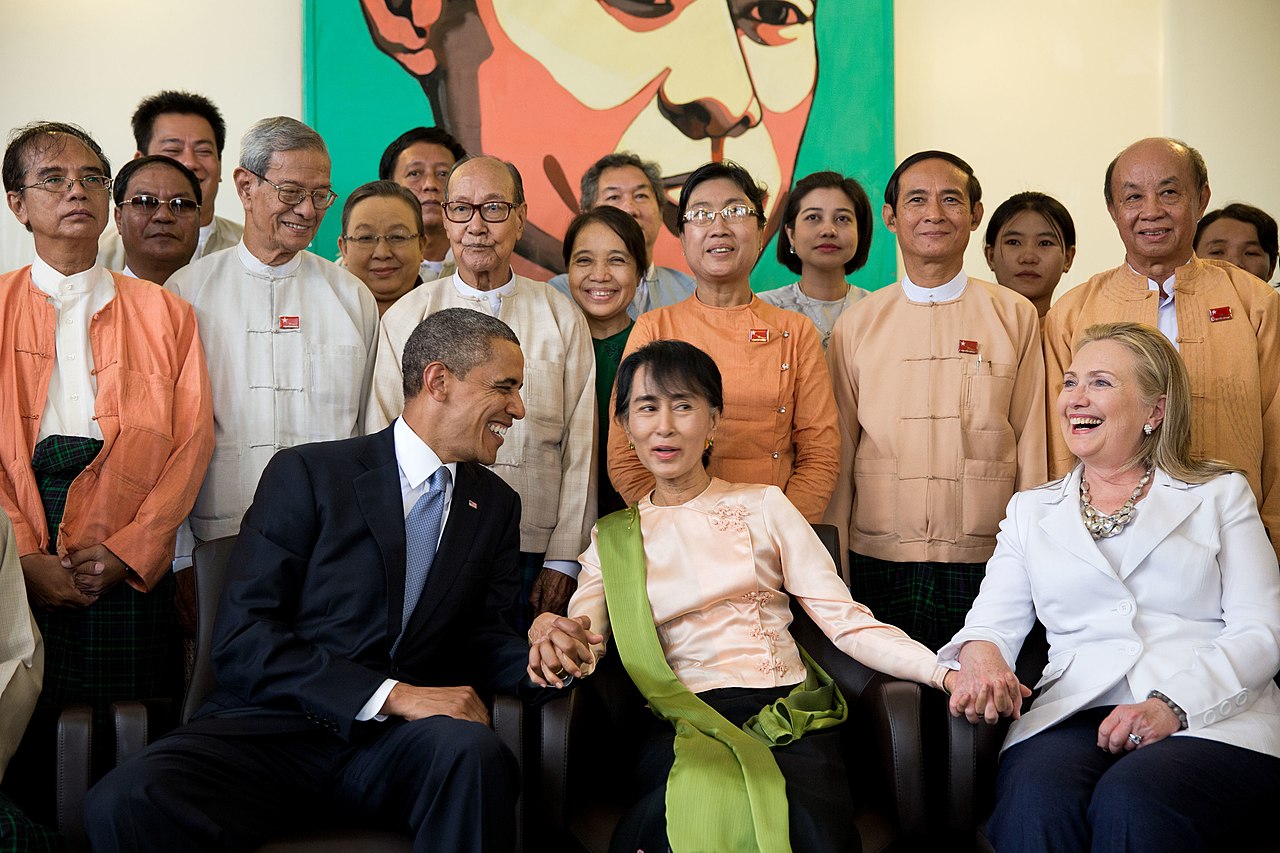


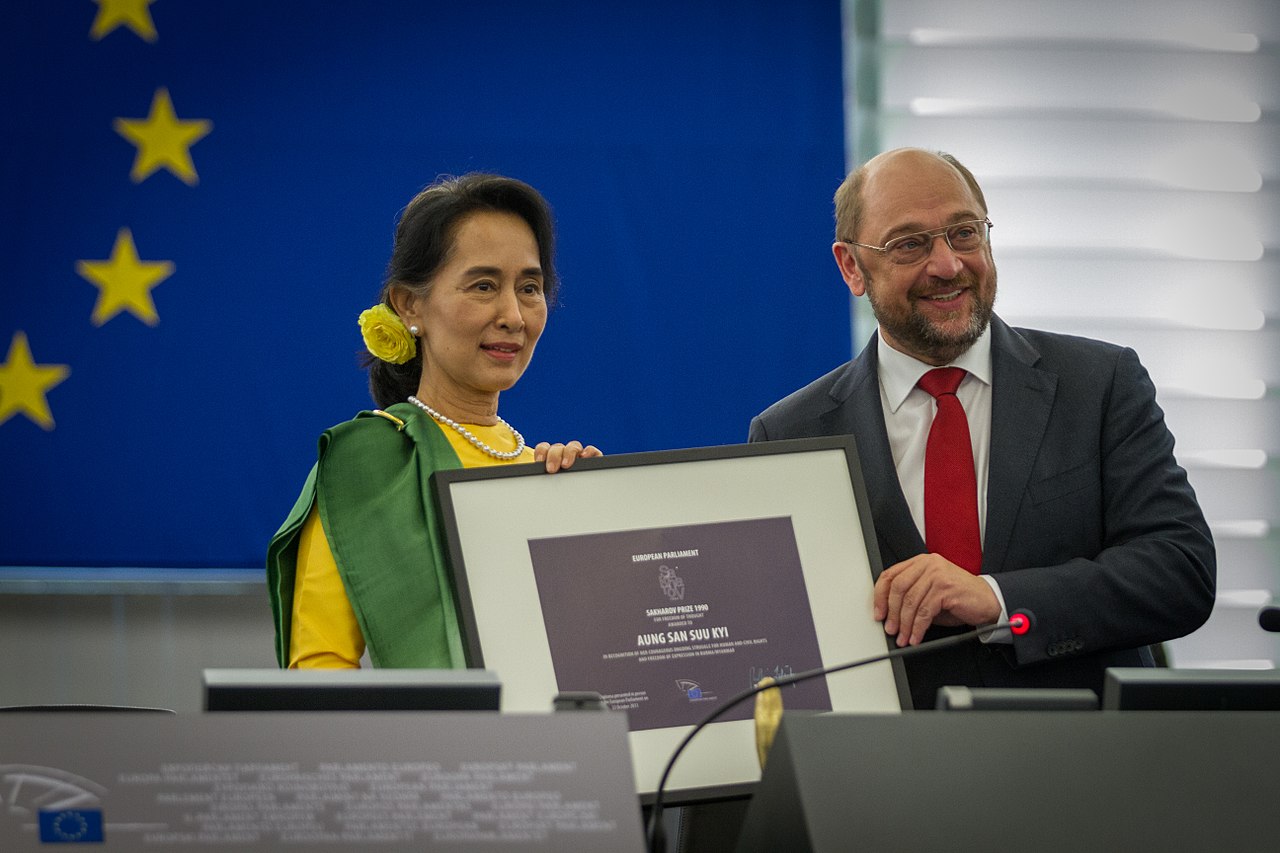

Life, education and political emergence
Suu Kyi spent parts of her early life and education abroad before returning to Burma. Her family background and international upbringing shaped her public profile. She married British academic Michael Aris and raised two sons; after her return to Burma in 1988 she led the National League for Democracy (NLD). Her leadership of the NLD and commitment to nonviolent protest brought her widespread domestic support and international recognition, but also repeated detention by the ruling military authorities. For background and biographical sources, see biographical reference and an overview of her early years here.
Political role and restrictions
Although Suu Kyi's party won a sweeping victory in the 1990 elections, the military refused to cede power. Later constitutional provisions effectively barred her from the presidency because of family ties to foreign nationals; instead, when the NLD won legislative elections in 2015 she assumed the specially created post of State Counsellor in 2016 and led the civilian government in practice. Her official positions, leadership style and the constraints imposed by the military are discussed in many commentaries; see political analysis and a profile of the NLD's rise party history.
Awards, detention and international standing
Suu Kyi received multiple international honors during her decades of activism, including the Nobel Peace Prize (1991), the Rafto and Sakharov prizes, and other recognitions for human rights and democratic leadership. She spent nearly fifteen years under house arrest between 1989 and 2010, which intensified global attention and solidarity campaigns. A concise list of some awards and statements about them can be found here.
Controversy and criticism
Her reputation shifted after 2016 when the government and military confronted large-scale displacement and violence affecting the Rohingya and other communities. International observers and rights organizations criticized her perceived defense of the military and the handling of humanitarian concerns; this led to debate over honors and international responses. For reporting and critical perspectives, consult analysis of the crisis and a legal perspective international law summary.
2021 coup and legal situation
On 1 February 2021 the military detained Aung San Suu Kyi during a coup that overturned the elected government. The coup leaders cited alleged electoral fraud in the 2020 vote as justification; authorities brought a range of criminal charges against her that supporters and international observers have widely described as politically motivated. Her arrest and the broader rollback of civilian governance prompted global condemnation and sanctions, and the situation remains a central issue in Myanmar’s political future. For updates on legal matters and responses, see current coverage.
Legacy and significance
Aung San Suu Kyi remains a complex and polarizing figure: a symbol of democratic aspiration who also faced sustained criticism for choices made while in power. Her life illustrates the difficulties of civilian rule under a powerful military, the limits of international influence, and the contested nature of leadership in times of ethnic and political conflict. Her story continues to be studied by those interested in transitions to democracy, human rights advocacy and Southeast Asian politics.
- Names and honorifics: She is often called "Daw Aung San Suu Kyi" ("Daw" is a Burmese honorific for women) and affectionately "Amay Suu" ("Mother Suu").
- Major themes: nonviolent resistance, civilian-military relations, international human rights engagement.
Questions and answers
Q: Who is Aung San Suu Kyi?
A: Aung San Suu Kyi is a human rights activist, Nobel Peace Prize winner, and State Counsellor of Myanmar.
Q: What title does she hold?
A: She holds the title of State Counsellor of Myanmar.
Q: What awards has she won?
A: She has won the Rafto Prize and the Sakharov Prize in 1990, and the Nobel Peace Prize in 1991. In 1992, she was awarded the Jawaharlal Nehru peace prize.
Q: What is her nickname?
A: Her nickname is Amay Suu which means Mother Suu.
Q: Why was Aung San Suu Kyi arrested on 1 February 2021?
A: Aung San Suu Kyi was arrested on 1 February 2021 due to accusations that the November 2020 Myanmar general election results were fraudulent by the military during a coup d'état.
Q: What other criminal charges have been filed against her?
A: Other criminal charges have been filed against her for violating Myanmar's import laws and Natural Disaster Law as well as being accused with having a walkie talkie.
Q: Are these accusations trusted by people of Myanmar?
A; No, nearly all of these accusations are not trusted by people of Myanmar.
Related articles
Author
AlegsaOnline.com Aung San Suu Kyi: Myanmar's pro-democracy leader and contested stateswoman Leandro Alegsa
URL: https://en.alegsaonline.com/art/114732
Sources
- bbc.co.uk : Aung San Suu Kyi
- worldbookonline.com : "World Book"
- myanmar.gov.mm : "Myanmar Family Roles and Social Relationships"
- nobelprize.org : Nobel Prize.org
- nobelprize.org : "Aung San Suu Kyi — Biography"
- news.bbc.co.uk : "Profile: Aung San Suu Kyi"
- nobelprize.org : "The Nobel Peace Prize 1991 Presentation Speech"
- homepages.tesco.net : Mental culture in Burmese crisis politics: Aung San Suu Kyi and the National League for Democracy
- google.com : Myanmar's Suu Kyi ends US trip, hailing democracy
- news.bbc.co.uk : US Senate honours Burma's Suu Kyi - BBC News
- collegenews.org : "CBS News Journalist Lesley Stahl to Deliver Colgate's 2008 Commencement Address"