
Arp Schnitger — Northern European Baroque Organ Builder
Arp Schnitger (1648–1719) was a leading North German organ builder whose instruments and workshop style shaped Baroque organ sound and later historicist restorations in the 20th century.
Overview
Arp Schnitger (1648–1719) was a prominent North German builder of pipe organs whose work across northern Germany and the Low Countries produced instruments celebrated for clarity, power, and craftsmanship. He operated a large workshop that supplied churches and civic institutions with multi-manual organs combining pronounced principal choruses, articulated mixtures and strong reed stops suited to liturgical and polyphonic music of the Baroque era.
Image gallery
10 Images


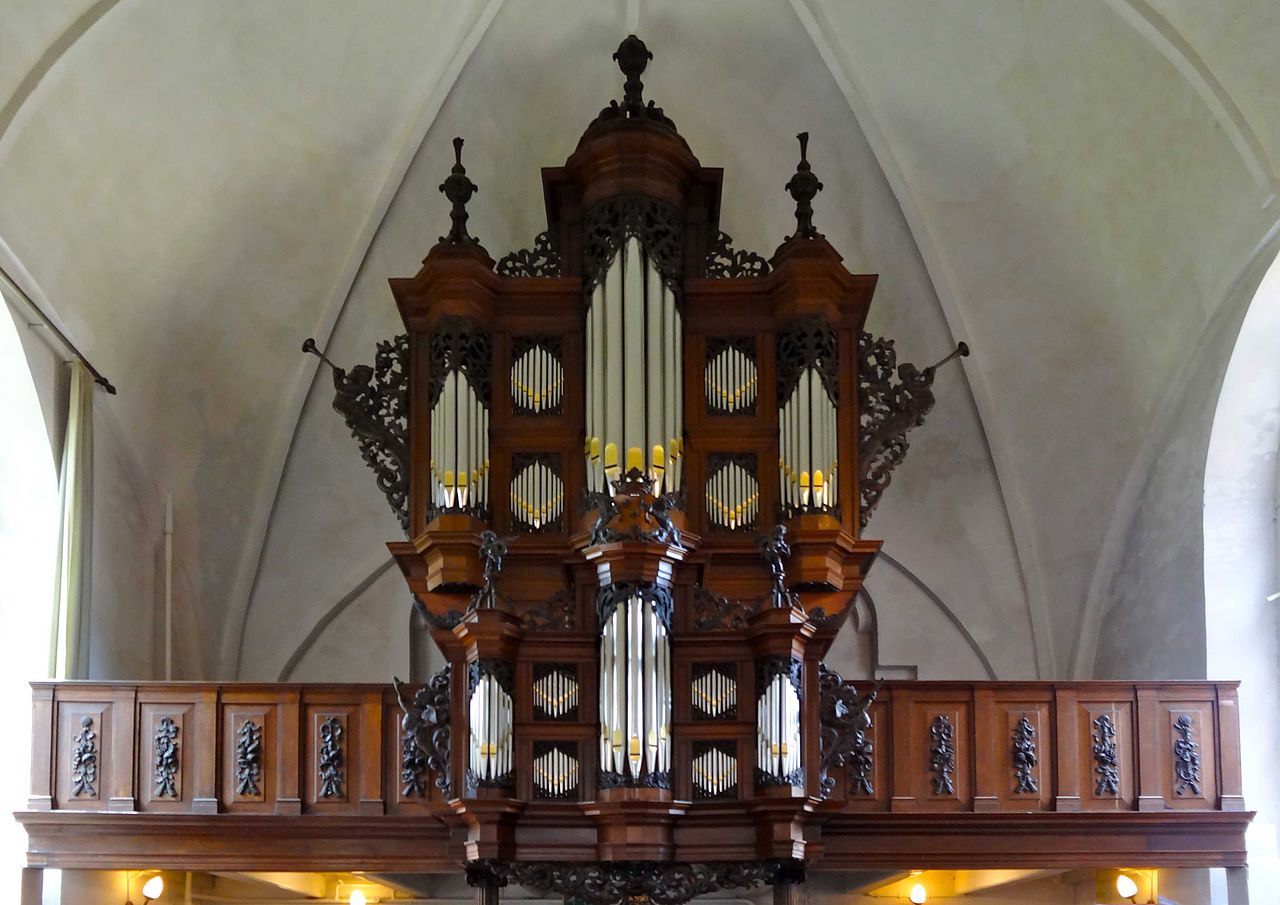


Typical characteristics
Schnitger instruments are known for mechanical (tracker) key action, robust pedal divisions, clearly voiced principals, and carefully scaled pipework that emphasize contrapuntal clarity. Cases often form striking architectural façades, integrating towers and flats with carved ornament. His tonal design favored a bright, incisive ensemble that supported congregational singing and intricate organ repertoire.
Development and workshop
Working in the late 17th and early 18th centuries, Schnitger ran an extensive workshop with journeymen and apprentices, producing dozens of organs for churches across coastal and inland regions. The firm combined practical building skills with local traditions, adapting stoplists and dispositions to liturgical needs and regional tastes while keeping a recognisable sonic profile that later builders emulated.
Survival, restoration and influence
A significant number of Schnitger instruments or major parts of them have survived, especially in northern Germany and the Netherlands, where they are studied and maintained by organ builders and historians. In the 20th century the Organ Reform movement and historically informed performance revived interest in Baroque tonal ideals; Schnitger organs became models for restoration and new instruments seeking earlier textures rather than 19th-century Romantic sonorities.
Distinctions and notable facts
- Schnitger's tonal concept is often contrasted with southern German builders who developed different reed voicing and scaling traditions.
- His organs remain important reference points for performers, builders and scholars interested in Baroque organ sound and construction.
- Many churches still use Schnitger organs for worship and concerts, and their preservation is an active field of conservation.
Further reading and resources
For introductions and instrument lists see biographical summaries and regional surveys such as North German organ studies and Dutch historic organs. Specialist technical discussion appears in restoration reports and organology research (workshop practices, comparisons with southern builders). For the 20th-century revival and the Orgelbewegung consult general overviews (historical background, restoration case studies) and curated lists of surviving instruments (survivals and locations).
Related articles
Author
AlegsaOnline.com Arp Schnitger — Northern European Baroque Organ Builder Leandro Alegsa
URL: https://en.alegsaonline.com/art/114574