
Arseniy Yatsenyuk
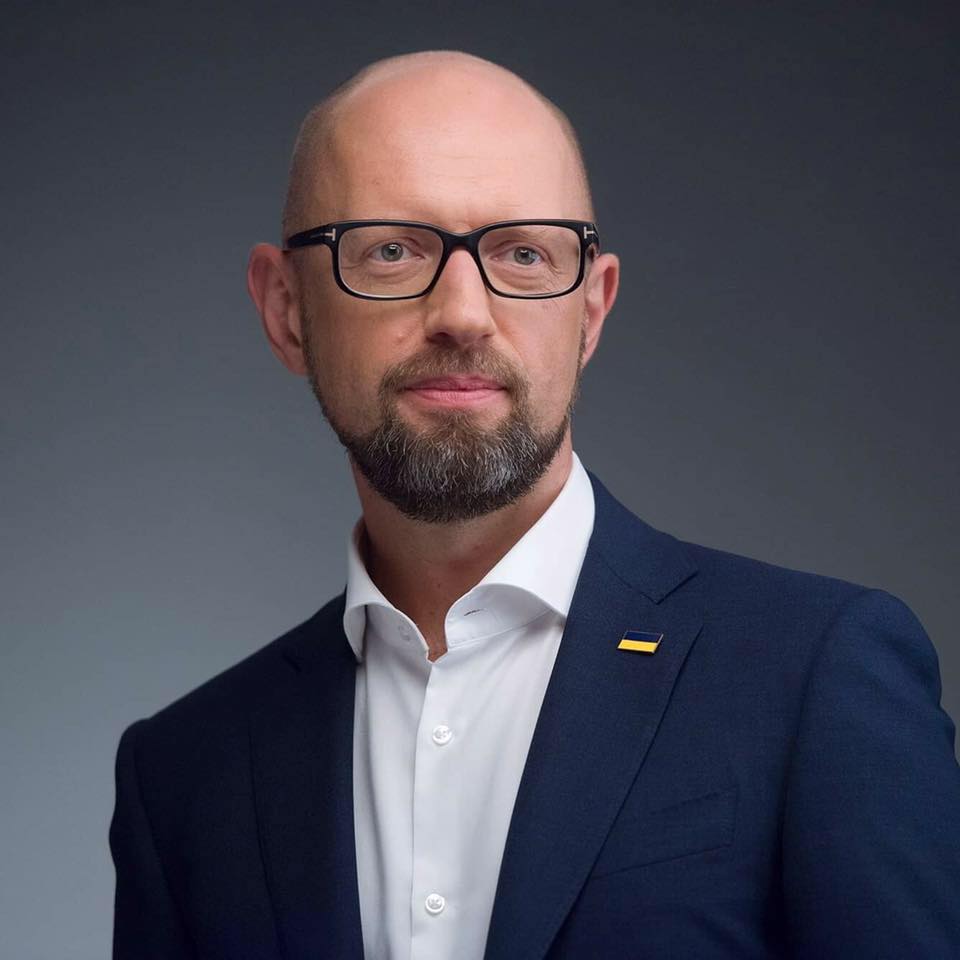
Arseniy Yatsenyuk is a Ukrainian politician, economist and lawyer who served as Prime Minister from February 2014 to April 2016 and played a leading role in Ukraine's post‑Euromaidan transition.
Overview
Arseniy Petrovych Yatsenyuk (Ukrainian: Арсеній Петрович Яценюк; born 22 May 1974) is a Ukrainian politician, economist and lawyer. He rose to national prominence during the 2013–2014 political crisis in Ukraine and served as Prime Minister from February 2014 until his resignation in April 2016. Yatsenyuk has been identified with pro‑European reform efforts and with efforts to stabilize Ukraine after the 2014 upheaval.
Image gallery
10 Images




Background and early career
Yatsenyuk trained in law and economics and pursued a career that combined public administration, parliamentary work and private sector experience. Over the years he held a number of government and parliamentary roles, building a reputation as a technocrat and a coalition builder. His professional profile blends legal training with economic and policy interests, a combination often noted in biographical summaries (profession and background).
Political ascent and prime ministership
Following the 2014 protests and the change in national leadership, Yatsenyuk was appointed prime minister as part of a transitional government tasked with restoring stability, reforming institutions and negotiating international assistance. His cabinet focused on fiscal consolidation, anti‑corruption measures and closer ties with European institutions. Internationally, his government engaged with partners to secure financial aid and support for territorial integrity and reform programs (prime ministership).
Policies, challenges and legacy
Yatsenyuk's tenure was marked by urgent economic and security challenges, including a sharp economic contraction, energy dependence issues and the conflict in eastern Ukraine. He advocated structural reforms and worked toward agreements with international creditors and organizations. While supporters credit him with keeping state institutions functioning during a turbulent period, critics pointed to slow progress on deep systemic change and political disagreements within the parliament and coalition.
Resignation and later activity
Yatsenyuk resigned from the premiership in April 2016. After leaving the office, he remained an active figure in Ukrainian politics through party leadership, parliamentary work and public commentary. His role in the 2014 transition and subsequent reform debates continues to shape assessments of the early post‑Euromaidan years.
Notable facts
- Born 22 May 1974; rose to prominence during the 2013–2014 political crisis.
- Served as Prime Minister from February 2014 to April 2016, heading a government focused on stabilization and reform.
- Known for a pro‑European orientation and for engaging with international partners on financial and security issues.
Related articles
Author
AlegsaOnline.com Arseniy Yatsenyuk Leandro Alegsa
URL: https://en.alegsaonline.com/art/114579