
Arsène Wenger — French Football Manager (Arsenal 1996–2018)
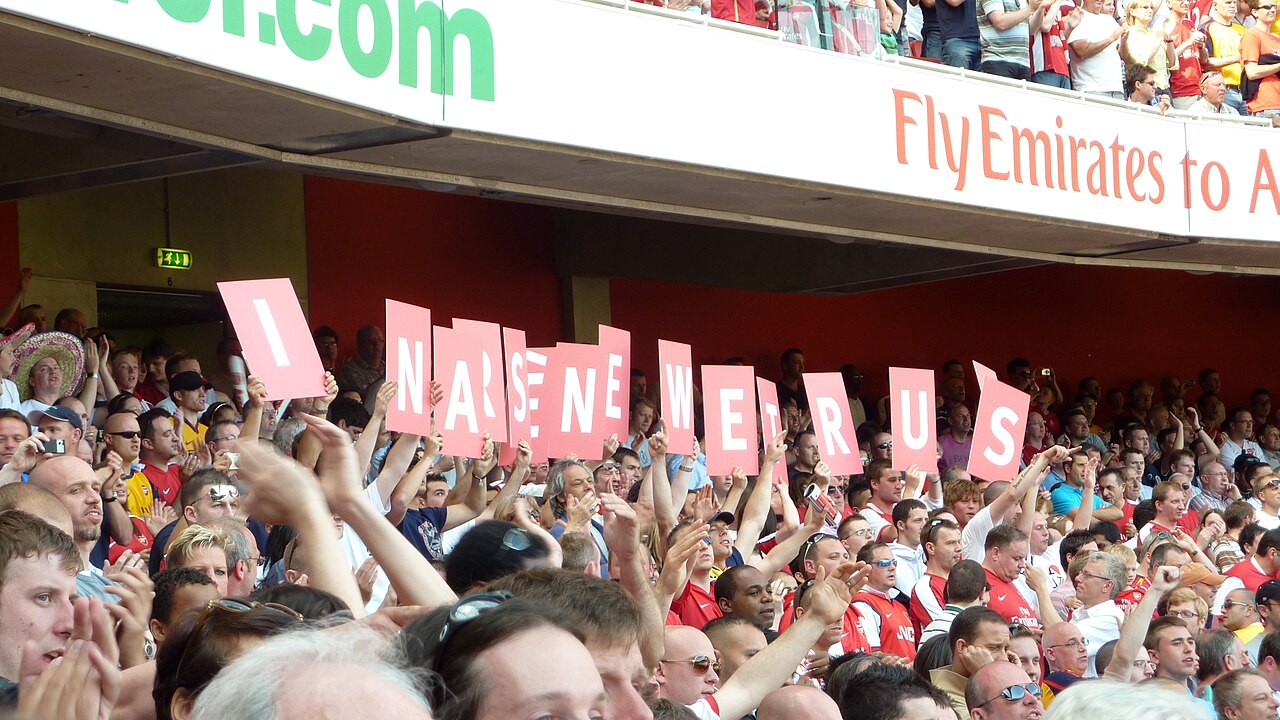
Arsène Wenger, born 1949, is a French football manager best known for transforming Arsenal (1996–2018), winning multiple Premier League titles including an unbeaten season, and modernizing training, scouting and nutrition.
Overview
Arsène Wenger (born 22 October 1949) is a French football manager and coach whose ideas reshaped the English game. He led Arsenal from 1996 until 2018, building teams noted for technical play, youth development and tactical consistency. His career combined domestic success with a global influence on coaching methods.
Image gallery
10 Images






Early life and career
Born in Strasbourg, Wenger studied and played at amateur level in France before moving into coaching. He worked with several French clubs and rose through the ranks to manage at the top domestic level. His experience in European and Japanese football preceded his long-term role in England, helping him develop a pragmatic but progressive approach to preparation and recruitment.
Arsenal era and achievements
Wenger's spell at Arsenal produced sustained success: three top-flight titles, including the unbeaten season of 2003–04, and a record number of FA Cup wins for a single manager. He also took the club to the final of the Champions League and consistently qualified for Europe. Domestically he competed repeatedly for the Premier League, establishing Arsenal among England's elite.
Style, innovations and philosophy
Wenger emphasized fast, technical football and placed heavy weight on diet, fitness and sports science long before they were widespread in England. He recruited young talent from abroad, prioritized development of academy players, and introduced scouting networks and data-informed training routines. His methods influenced many peers and the broader structure of modern club operations.
Legacy and later work
Beyond trophies, Wenger is credited with changing how English clubs work: nutrition, recovery, scouting and a global outlook on transfers. After leaving Arsenal, he took on roles advising football organizations and continued to speak about the game’s development, contributing to governance and coaching education.
Notable facts
- Long managerial tenure at a single top club (1996–2018).
- Architect of Arsenal’s “Invincibles” season and multiple cup triumphs.
- Recognized for introducing modern sports-science practices into English football.
- Often cited as a bridge between continental methods and the English game; served later in advisory roles as a senior manager and football executive.
Related articles
Author
AlegsaOnline.com Arsène Wenger — French Football Manager (Arsenal 1996–2018) Leandro Alegsa
URL: https://en.alegsaonline.com/art/114577