
Arthur Anderson (1922–2016): American actor and voice artist
Actor Arthur Anderson began as a child on radio in the 1930s and built a seven-decade career across radio, stage, film, television and animation, best known as the voice of Eustace Bagge.
Overview
Arthur Anderson (August 29, 1922 – April 9, 2016) was an American performer whose career spanned radio, stage, film, television and animation. He began working as a child on radio in the early 1930s and remained active in performance for many decades, becoming familiar to multiple generations for both dramatic and comic roles.
Image gallery
1 Image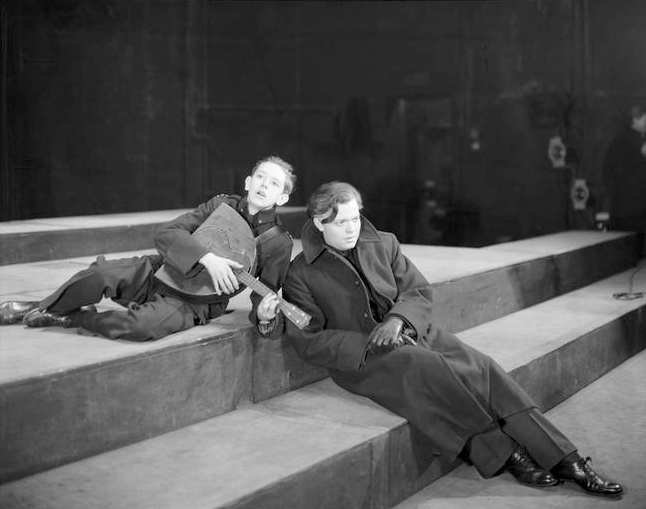
Career beginnings and development
Anderson started in the era when radio drama and serials were central to popular entertainment. Like many of his contemporaries, he adapted as new media emerged, moving into stage productions, on‑screen roles and, later, voice work for animated series. His long career reflects the path of 20th‑century American actors who transitioned across formats rather than remaining tied to a single medium.
Notable roles and recognition
Among Anderson's best known contributions is his voice performance as Eustace Bagge on the Cartoon Network series Courage the Cowardly Dog, a role that introduced him to viewers born long after his radio debut. He also performed in numerous radio plays, regional theatre productions and television appearances over the years.
Scope of work
- Radio: early dramatic and serialized programs during radio's golden age.
- Stage: dramatic and comedic roles in live theatre settings.
- Film and television: supporting and guest appearances across decades.
- Voice acting: animation and voiceover work, including iconic character voices.
Legacy and significance
Anderson is remembered for the breadth of his career and his adaptability as an actor. His longevity allowed him to bridge the golden age of radio and the era of contemporary animation, making him an example of a working performer who continually reinvented his craft. For those researching performers who navigated changing entertainment technologies, Arthur Anderson's career is a useful case study; further information and credits can be found through performer databases and archives linking to his profiles, for example at Arthur Anderson.
Notable facts
Anderson's professional life illustrates several broader patterns in American entertainment history: early entry into radio, movement into live theatre and on‑camera work, and later specialization in voice roles for animation. His portrayal of character roles endeared him to audiences and ensured continued recognition late into his life.
Related articles
Author
AlegsaOnline.com Arthur Anderson (1922–2016): American actor and voice artist Leandro Alegsa
URL: https://en.alegsaonline.com/art/114585
Sources
- bearmanormedia.bizland.com : Anderson, Arthur. Let's Pretend and the Golden Age of Radio. BearManor Media, 2004
- nytimes.com : "Arthur Anderson, Voice of Lucky Charms Cereal's Leprechaun, Dies at 93"