
Aegis — Shield and Symbol in Greek Mythology
Aegis: the mythic protective device carried by deities such as Athena and Zeus, often depicted with the Gorgon's head. An enduring emblem of divine protection, authority, and terror in art and language.
Overview
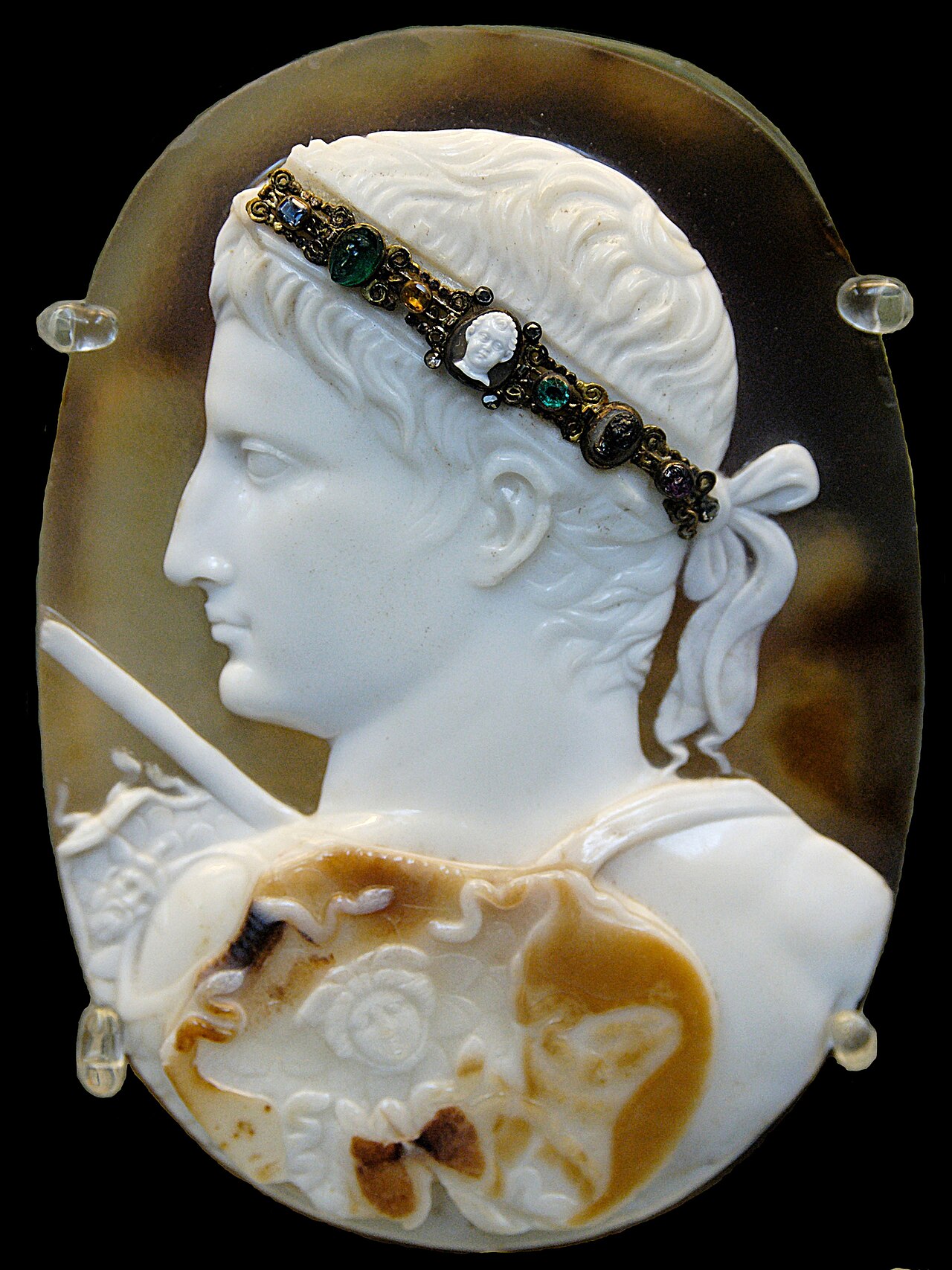
The term aegis refers in ancient Greek myth to a protective object associated most often with the goddess Athena and sometimes with Zeus. Classical descriptions vary: it can be a shield, a breastplate or a fringed goatskin cloak. One of its most famous features in visual and literary tradition is the display of the Gorgon's head, which was believed to turn onlookers to stone or otherwise terrify enemies.
Image gallery
4 Images


Characteristics and imagery
Depictions of the aegis commonly show a round or crescent-shaped device, edged with serpents or tassels, and bearing the so-called gorgoneion — the head of a Gorgon. The specific Gorgon most often associated with this image is Medusa, one of the three sisters collectively known as the Gorgons. Artistic representations vary by period and region, from simple patterned cloaks to elaborate metal shields used as attributes in sculpture and vase painting.
Origins and literary references
Mentions of the aegis appear in early Greek epic and lyric poetry and later classical literature. Poets and mythographers describe it as an object of supernatural power that is worn or brandished by deities to protect allies or to strike fear into foes. Its origin may combine older ritual or protective garments with later heroic and divine symbolism, evolving across centuries of storytelling and art.
Uses, symbolism, and examples
- Protection: portrayed as an impenetrable defence given by gods to favored mortals or used by gods themselves.
- Authority: emblematic of divine sanction and leadership when borne by Zeus or Athena.
- Aversive power: the gorgoneion on the aegis functions as an apotropaic image meant to ward off evil.
- Art and coinage: appears frequently in ancient sculpture, vase painting, and on coins to signal divine protection.
Because of these roles, the aegis came to be a concentrated symbol of protection and command rather than a simple piece of armor.
Legacy and modern usage
In modern English the word "aegis" (or "egis") has been generalized to mean protection, sponsorship, or support — for example, an organization working under the aegis of another. Its visual legacy survives in heraldry, literature, and popular culture as an icon of safeguarding power and fearsome deterrence.
Related articles
Author
AlegsaOnline.com Aegis — Shield and Symbol in Greek Mythology Leandro Alegsa
URL: https://en.alegsaonline.com/art/1142