
Bilbao: Port City of the Basque Country
Bilbao is a major city in Spain's Basque Country, known for its industrial past, river estuary and port, cultural renewal around landmark museums, and a mild oceanic climate.
Overview
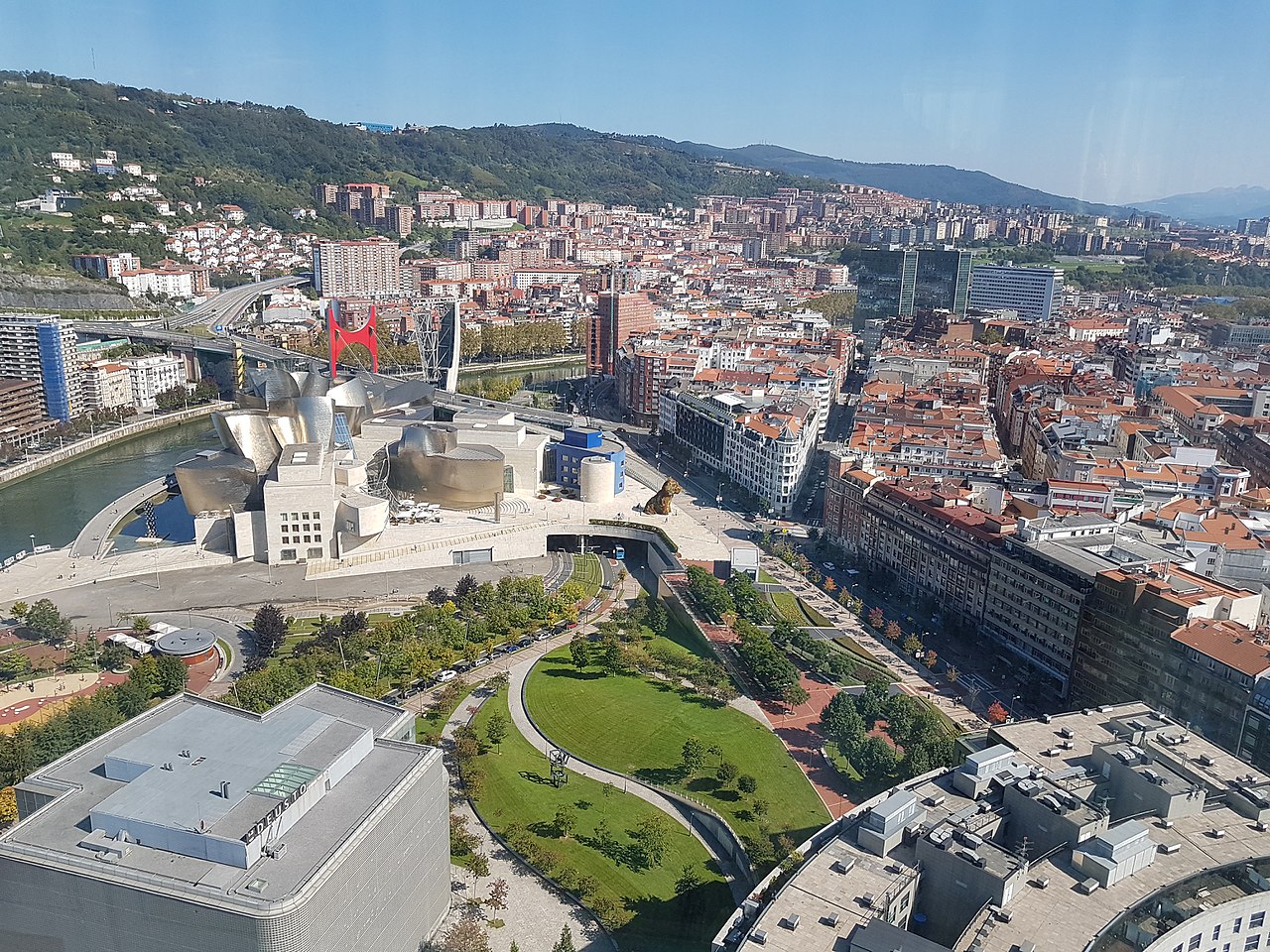
Bilbao is the largest city of the Basque Autonomous Community in northern Spain, situated on the estuary of the Nervión river as it reaches the Bay of Biscay. Historically a commercial and industrial centre, the city today blends that manufacturing heritage with a diversified economy that includes services, finance, technology and cultural institutions. The city proper houses roughly 350,000 residents and functions as an economic and cultural hub for the surrounding region. See the wider region: Basque Country and northern Spain.
Image gallery
10 Images




Geography and climate
Bilbao occupies a narrow, hilly valley carved by the Nervión river, which defines much of the urban layout and waterfront activity. The estuary and its port have long influenced industry, transport and trade. The local climate is temperate and maritime, with moderate temperatures and relatively abundant rainfall typical of an oceanic climate, classified as Cfb in the Köppen classification. These conditions support green public spaces and tree-lined boulevards throughout the city.
History and urban transformation
Founded as a market settlement in the medieval period, Bilbao expanded into shipbuilding, steelmaking and other heavy industries from the early modern era through the 20th century. Late 20th-century deindustrialisation prompted a deliberate programme of urban renewal: redevelopment of former industrial sites, new public spaces and bridges, and investment in cultural infrastructure. The city's regeneration, often highlighted in studies of post-industrial recovery, combined heritage conservation with contemporary architecture.
Culture, economy and daily life
Bilbao retains strong Basque cultural traditions alongside a modern urban lifestyle. Basque and Spanish languages coexist in public life, education and signage. The economy now emphasises services, creative industries and tourism, while local gastronomy—especially pintxos and market cuisine—remains central to daily life. A diverse cultural calendar includes theatre, music, exhibitions and seasonal festivals that draw both residents and visitors.
Landmarks and attractions
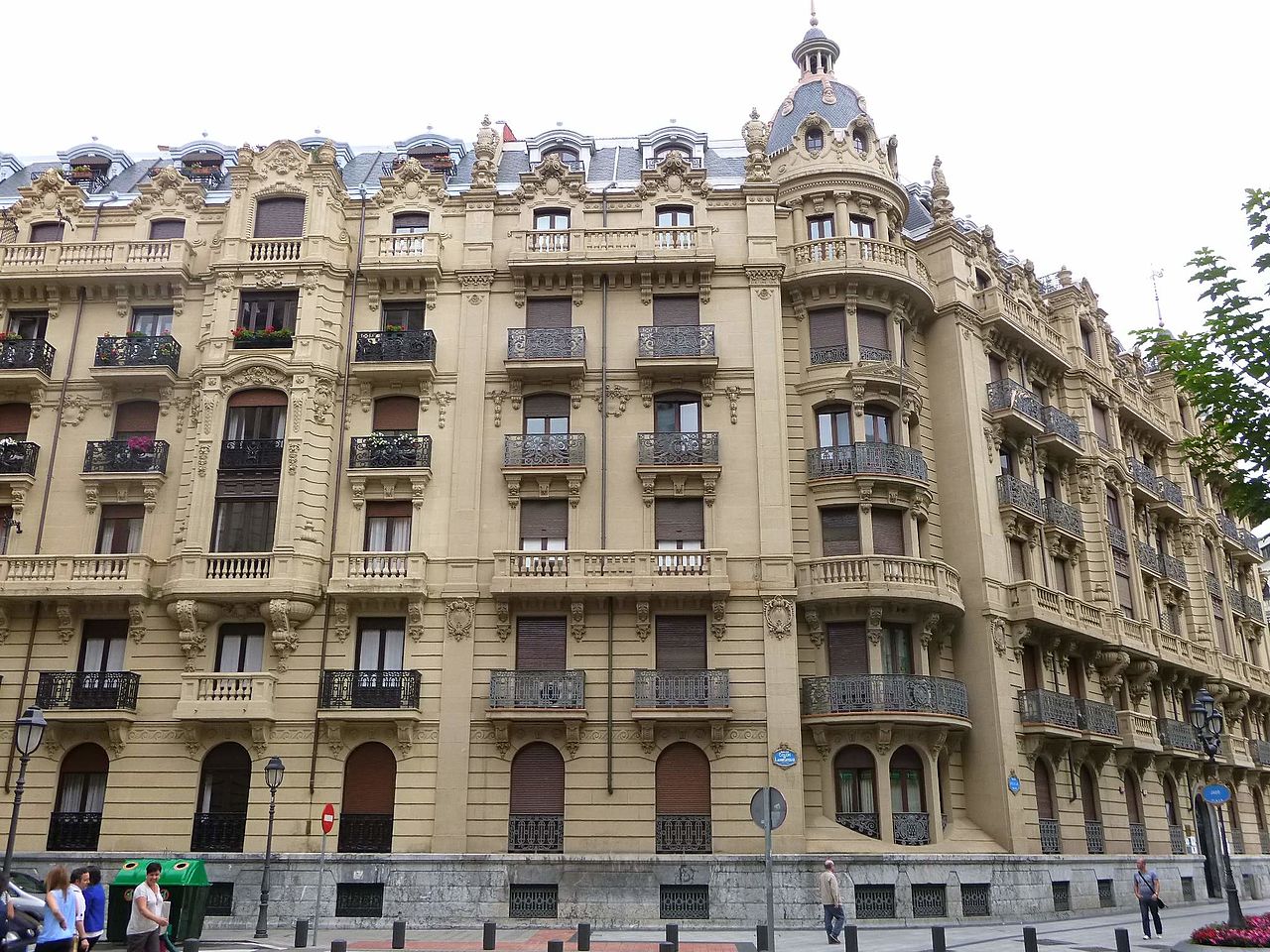
The city offers a mix of historic quarters and striking contemporary buildings. Notable sites include:
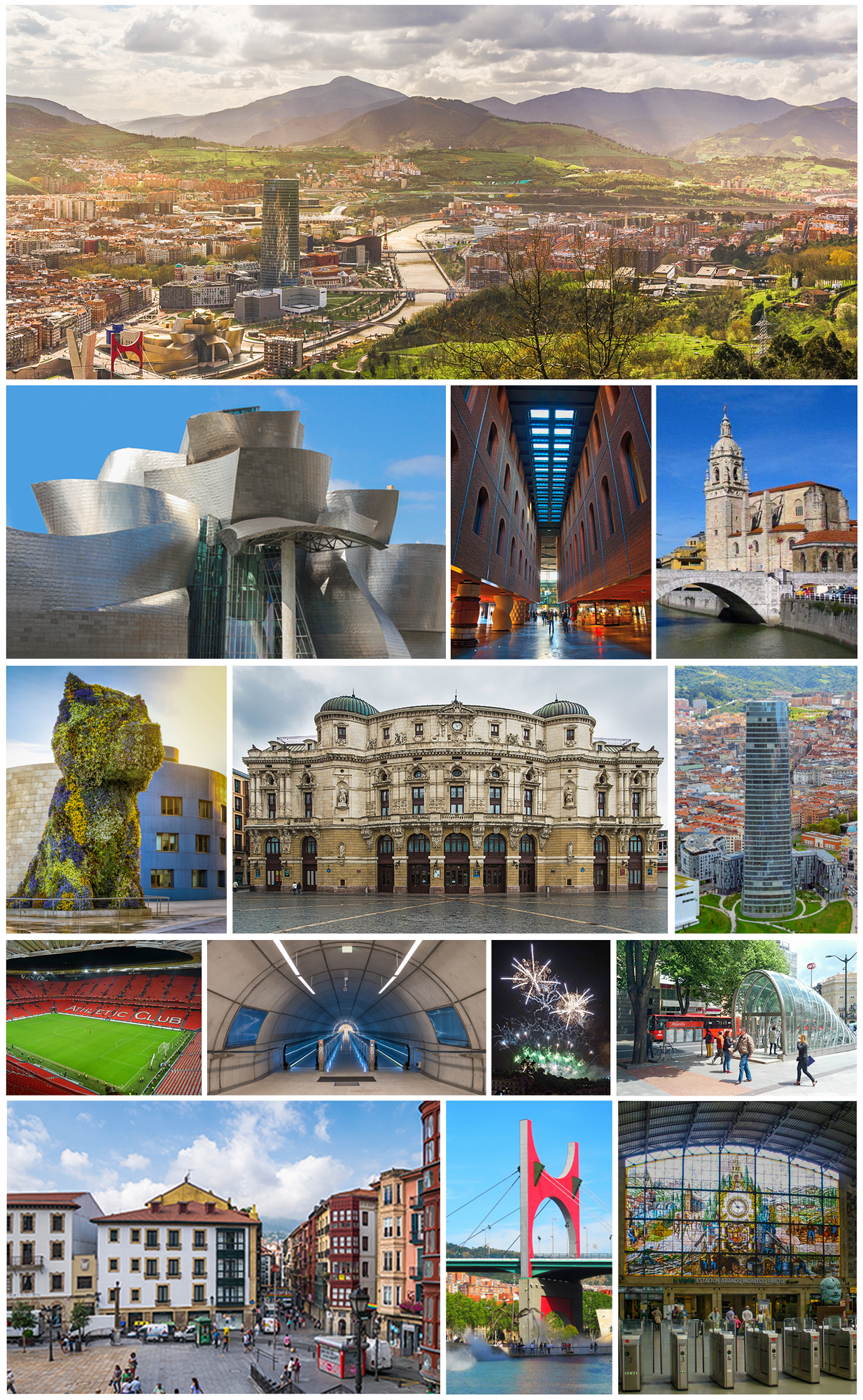
- Guggenheim Museum Bilbao — a contemporary art museum whose presence helped catalyse the city's cultural and tourist revival.
- Casco Viejo — the historic old town with narrow streets, traditional shops and churches.
- Bilbao Fine Arts Museum and Euskalduna Palace — important venues for exhibitions, concerts and performances.
- Riverside promenades, parks and several distinctive bridges that connect neighbourhoods and provide public leisure areas.
Transport and regional role
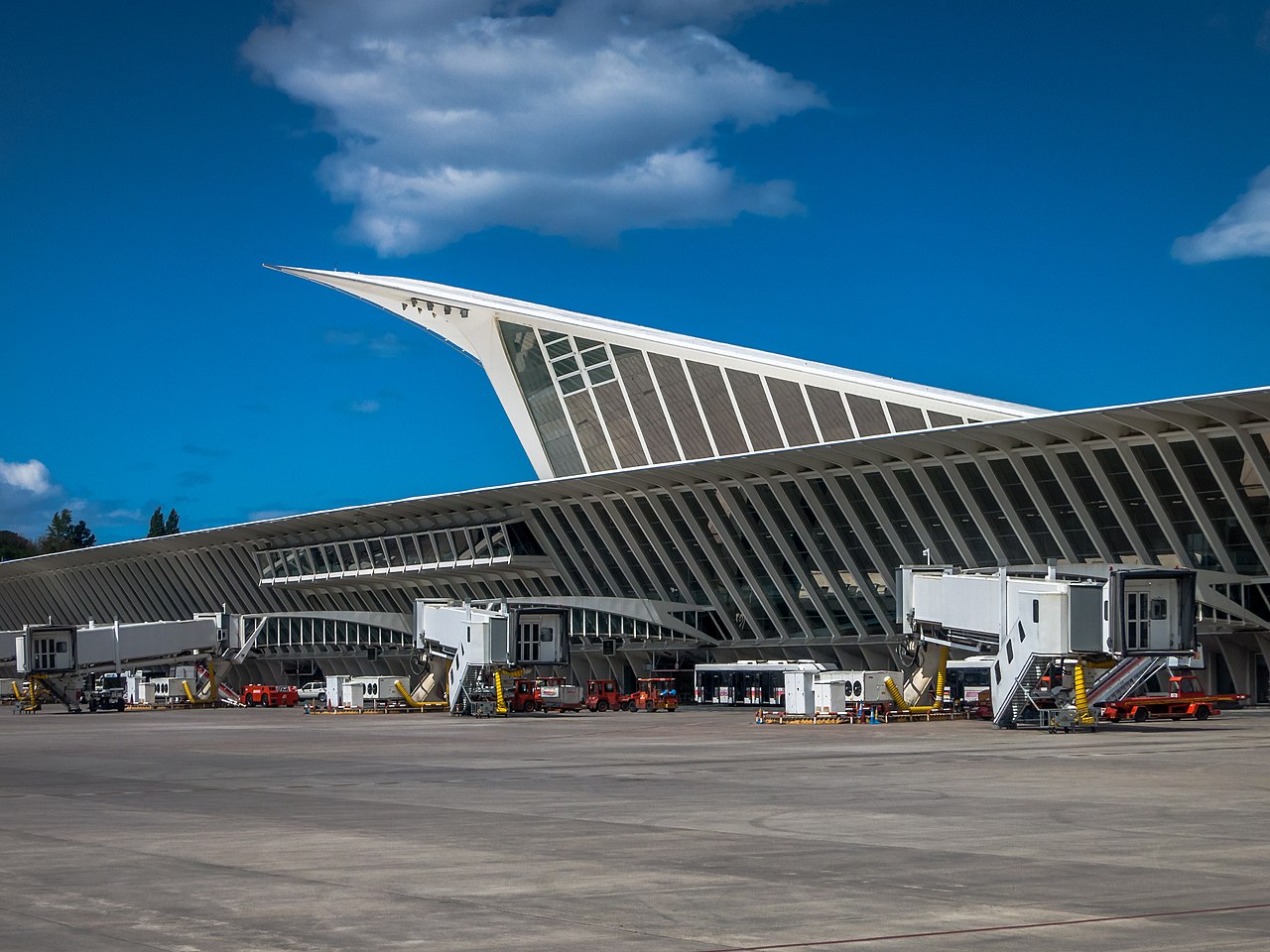
Bilbao functions as a regional transport hub with an international airport, commuter rail, metro, tram and bus networks, and a working port that handles cargo alongside leisure activities. As the principal city of its region, Bilbao plays an administrative, cultural and economic role across the Basque Country and the wider northern Spain area, attracting visitors to its museums, markets and waterfront. General references for climate and classification are available via oceanic climate and the Köppen classification.
Related articles
Author
AlegsaOnline.com Bilbao: Port City of the Basque Country Leandro Alegsa
URL: https://en.alegsaonline.com/art/11423