
Biliran Province, Philippines
Biliran is a small island province in Eastern Visayas, Philippines. Known for its coastal landscapes, waterfalls and agricultural communities, its capital is Naval and it includes the main Biliran island and nearby islets.
Overview
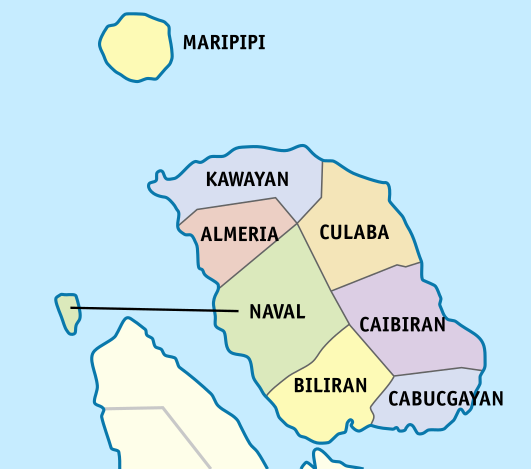
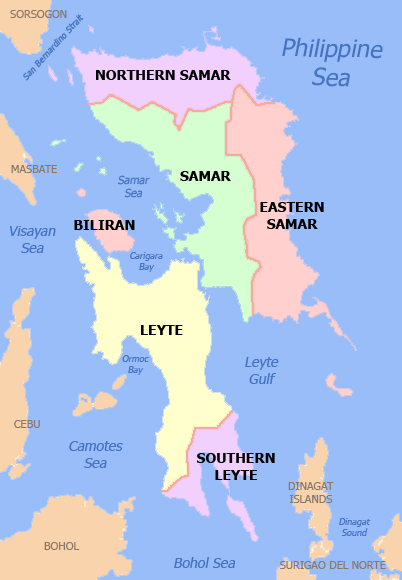
Biliran is an island province in the central Philippines. In local languages it is known variously in Cebuano and Waray-Waray. The territory is part of the larger island group and is identified as an island unit and an administrative province of the Philippines. It lies within the Eastern Visayas region, and its capital town is Naval.
Image gallery
8 Images


Geography and environment
Biliran consists mainly of the principal Biliran island plus several smaller islets and coastal areas. The landscape combines rugged hills, volcanic uplands, forested zones and narrow coastal plains. The climate is tropical maritime with a distinct rainy season, and the island supports a mix of rice paddies, coconut groves and fishing grounds along its shoreline.
History and development
Historically Biliran was administratively linked to neighboring islands and provinces before gaining separate provincial status in the modern era. Its development has been shaped by maritime connections to larger islands, local agriculture and periodic infrastructure improvements that increased access by sea and road.
Economy and infrastructure
The local economy is mainly based on agriculture and fisheries, supplemented by small-scale trade and services. Road links, ferry services and inter-island transport support movement of people and goods. Public services are centered in Naval and other municipal centers that provide markets, schools and health facilities for surrounding communities.
Culture, tourism and natural attractions
Cultural life blends Visayan languages, traditions and festivals tied to fishing and harvest seasons. Visitors come for coastal scenery, beaches, freshwater springs and waterfalls, as well as opportunities for hiking and local cuisine. Community-based tourism and small guesthouses are increasingly common.
Administration and notable facts
Biliran is governed as a province with several municipalities and local councils. Its compact size and island character make it distinct within Eastern Visayas: it is often noted for a strong sense of local identity, reliance on marine and agricultural resources, and gradual growth in eco-tourism and basic infrastructure.
Tags
Related articles
Author
AlegsaOnline.com Biliran Province, Philippines Leandro Alegsa
URL: https://en.alegsaonline.com/art/11432