
Amine Gemayel — Lebanese politician and president (1982–1988)
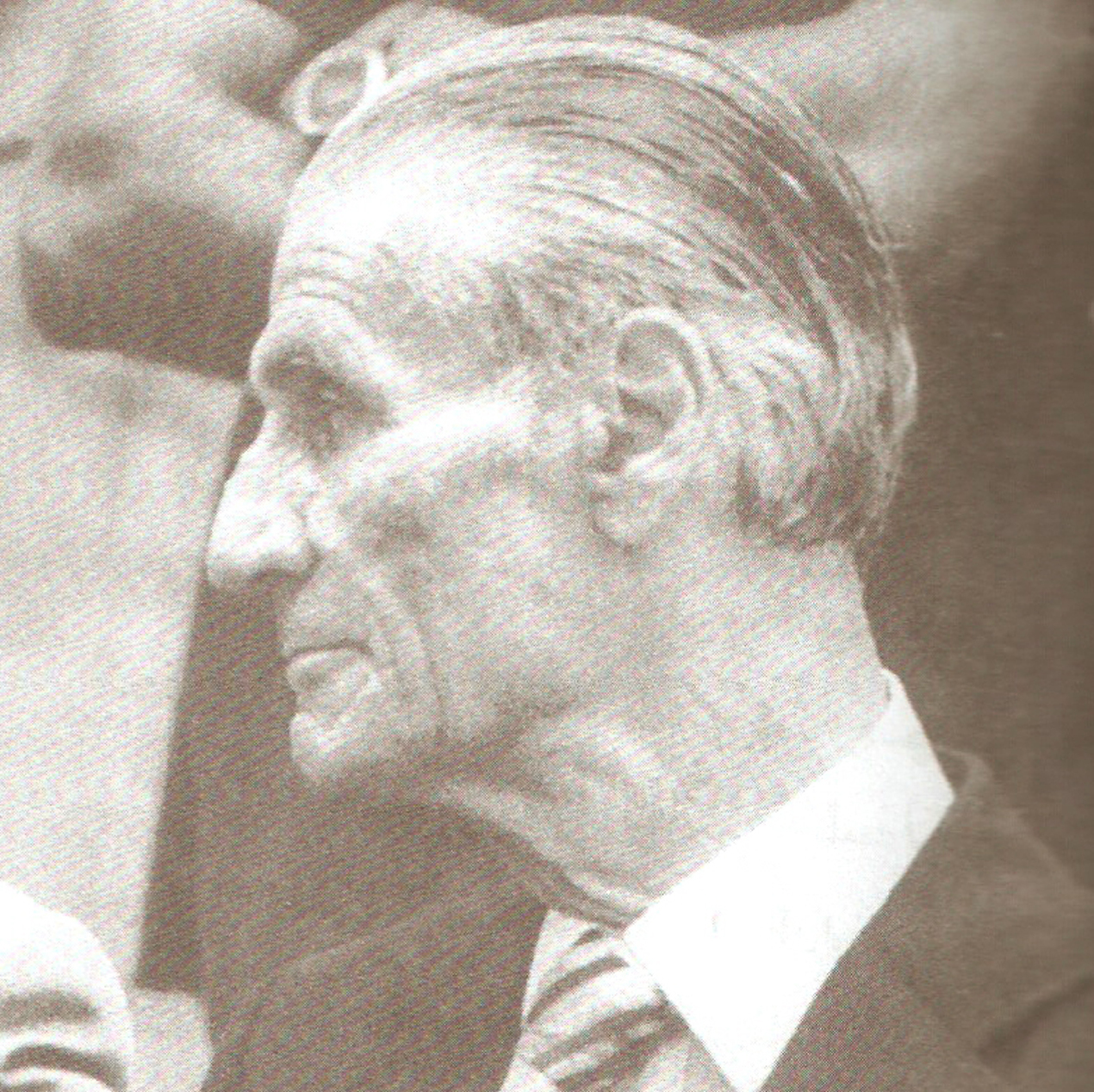
Lebanese statesman Amine Pierre Gemayel, president from 1982 to 1988 and longtime leader of the Kataeb (Phalange) Party, known for his role during the Lebanese Civil War and later political career.
Amine Pierre Gemayel (أمين بيار الجميل, born 22 January 1942) is a Lebanese politician who served as President of Lebanon from 1982 to 1988. A prominent figure of the country's Maronite political leadership, he rose to national office at a critical moment in Lebanon's modern history and later remained active as a party leader and parliamentarian.
Gemayel belongs to a well-known political family: his father, Pierre Gemayel, founded the Kataeb (Phalange) Party, and his brother Bachir Gemayel was a leading figure who was assassinated in 1982. In the aftermath, Amine Gemayel was elected president in an effort to restore stability. His presidency unfolded during the Lebanese Civil War and was shaped by competing armed factions, external interventions, and constitutional challenges.
Image gallery
10 Images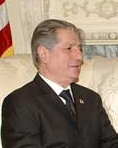





Presidency and political stance
As President of Lebanon, Gemayel attempted to uphold state institutions and negotiate among rival groups. His term was marked by efforts to preserve national sovereignty amid Israeli and Syrian military presences and by attempts at political reconciliation. He faced severe limitations from ongoing conflict, fragmented authority, and shifting regional dynamics.
After leaving the presidency in 1988, Gemayel returned to active politics. He continued to lead and influence the Kataeb Party, served in parliament at different times, and participated in public debates about sovereignty, constitutionalism, and the reconstruction of Lebanon’s political life. He is often described as a moderate Christian leader who favored restoring civilian rule and legal processes.
Legacy and notable facts
- Member of the influential Gemayel family, with close ties to the Kataeb/Phalange movement.
- Assumed the presidency during the Lebanese Civil War following the assassination of Bachir Gemayel.
- Remembered for efforts to defend state institutions under extraordinary conditions and for later work on national reconciliation.
- Has remained a recognizable voice in Lebanese politics and public life beyond his presidential term.
Gemayel’s career illustrates the complex interaction of family-based party politics, sectarian balance, and regional pressures that have shaped Lebanon. For further reading on his life and political context, see resources on Lebanese political history and the role of the Kataeb Party in the 20th century; general background on Lebanon is available here.
Related articles
Author
AlegsaOnline.com Amine Gemayel — Lebanese politician and president (1982–1988) Leandro Alegsa
URL: https://en.alegsaonline.com/art/113977
Sources
- prestigemag.co : "Amine Gemayel - Prestige Magazine"