
2011 England riots: causes, spread and consequences
A concise overview of the August 2011 civil disturbances in England: origins, how they spread, key events, consequences for communities and policing, and issues raised by subsequent inquiries.
The 2011 England riots were a series of violent disturbances, looting and arson that occurred across multiple English towns and cities between 6 and 10 August 2011. The immediate trigger was a protest in Tottenham, north London, over the police shooting of Mark Duggan on 4 August; that protest escalated into widespread disorder over the following days. Violence, property damage and opportunistic looting spread from London to other urban centres and smaller towns, drawing national attention and prompting large-scale policing responses.
Image gallery
10 Images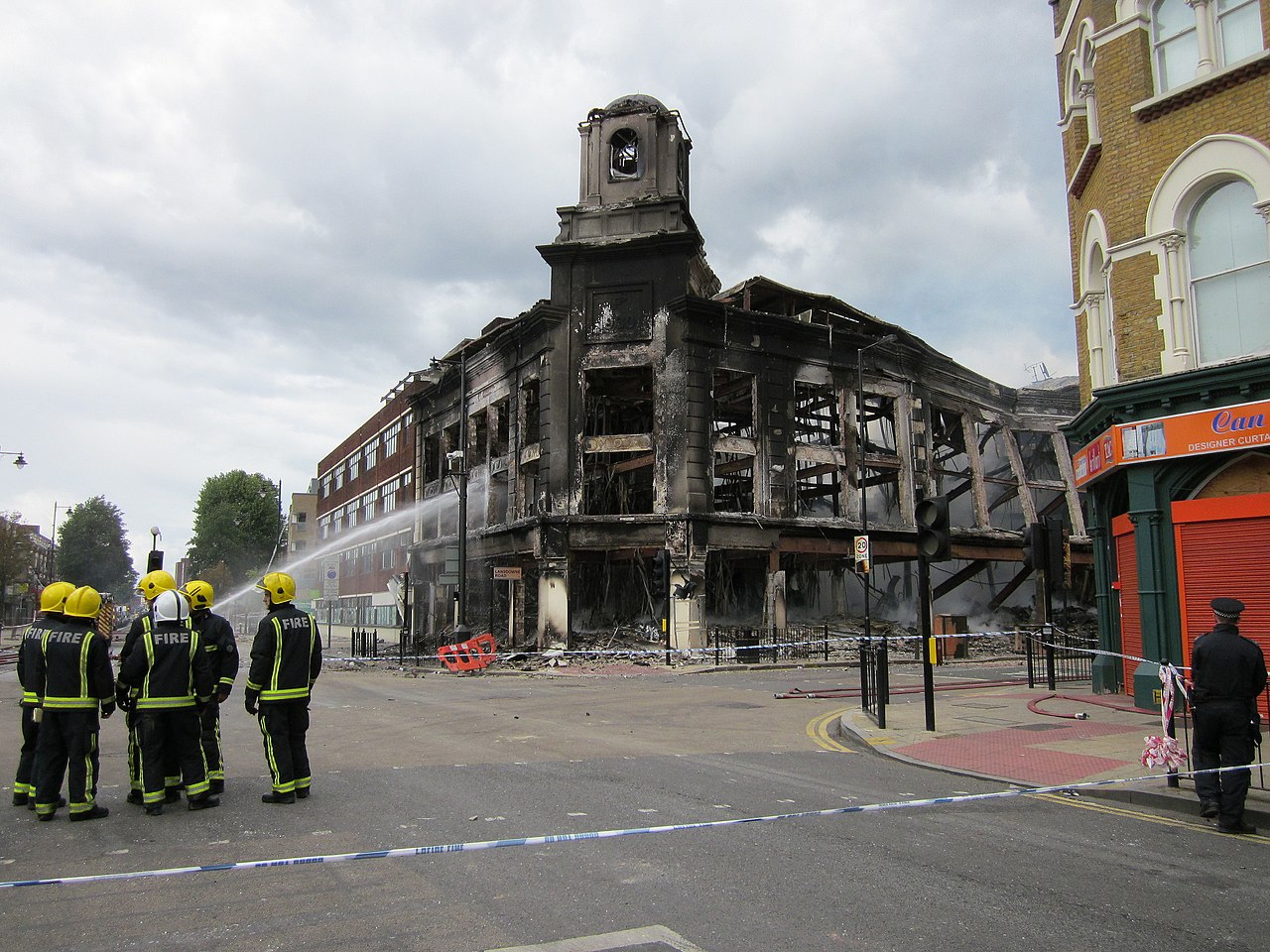


Characteristics and methods
Rioters used a variety of tactics including street clashes with police, smashing and looting shops, setting vehicles and buildings on fire, and obstructing roads. The disturbances combined elements of spontaneous crowd behaviour, organised groups taking advantage of chaotic conditions, and rapid communication through mobile phones and social media. Many local businesses, homes and community facilities suffered damage, and insurance and recovery costs were significant for affected areas. At least five people lost their lives during the events and numerous officers and civilians were injured.
The disturbances prompted thousands of arrests and a sustained period of criminal investigation and prosecutions. Police and local authorities faced questions about preparedness, tactics and the balance between restoring order and respecting civil liberties. Public debate also focused on the role of social media in enabling rapid mobilisation and the responsibilities of technology platforms and users in such situations.
Origins, social context and spread
While the immediate catalyst was the shooting that sparked the Tottenham demonstration, commentators and analysts emphasised a wider context of social and economic tensions: youth unemployment, community–police relations, and perceived exclusions in some urban neighbourhoods. Over several days the unrest spread from London to cities including Birmingham, Manchester, Liverpool, and other towns, reflecting a mix of local grievances and copycat incidents.
In the aftermath there were inquiries, reviews and academic studies examining causes and consequences. Some research suggested shifts in public attitudes and increased tensions between communities, while others highlighted resilient local initiatives and long-term programmes aimed at rebuilding trust and economic opportunities.
Consequences and notable issues
- Human cost: fatalities and many injuries to civilians and police.
- Criminal justice response: large numbers of arrests and subsequent prosecutions.
- Policy debate: policing methods, youth services, and preventative community measures.
- Public discourse: debates about media portrayal, race relations and economic inequality.
Understanding the 2011 events requires attention to both the immediate incident that ignited protests and the broader structural and local factors that allowed disorder to spread. The riots prompted lasting discussion about policing, public order, and social investment in affected communities.
Further information and resources
- Overview and timeline of events
- Accounts from affected cities and towns
- Reports on looting and arson incidents
- Local authority responses and recovery efforts
- Analysis of criminal prosecutions
- Police statements and operational reviews
- Investigations into the initial shooting in Tottenham
- Research on community and police relations
- Studies of media and social media roles
- Economic impact and business recovery reports
- Academic analyses and case studies
- Programs and initiatives launched after the riots
- Long-term evaluations of social and policy consequences
Related articles
Author
AlegsaOnline.com 2011 England riots: causes, spread and consequences Leandro Alegsa
URL: https://en.alegsaonline.com/art/112467
Sources
- theguardian.com : "British public 'are more prejudiced against minorities after riots'"
- bbc.com : "Complaints over Starkey's race comments"