
2011 Tōhoku earthquake and tsunami
A major megathrust earthquake off Japan on 11 March 2011 that generated a catastrophic tsunami, widespread destruction, and the Fukushima Daiichi nuclear accident; one of the most powerful recorded quakes.
The 2011 Tōhoku event was a massive undersea megathrust earthquake and a subsequent tsunami that struck the northeastern coast of Japan on 11 March 2011. The quake has been commonly reported with a moment magnitude of about 9.0 and is widely recognized as the most powerful earthquake recorded in Japan. It occurred off the east coast of Honshu, near Sendai, within Miyagi Prefecture in the Tōhoku region of Japan. Official time and focal depth estimates place the event in the early hours of 11 March 2011 at a shallow depth beneath the seafloor. Seismic agencies characterised the shaking and issued tsunami warnings immediately after the rupture.
Image gallery
10 Images




Characteristics and tectonic setting
The earthquake was generated where the Pacific Plate subducts beneath the Okhotsk (northwestern Pacific) portion of the Eurasian Plate. The rupture propagated along a long section of the plate boundary, causing extensive seafloor displacement and generating tsunami waves. Japanese seismic authorities recorded very strong local intensities on their scales (see JMA and the seismic intensity scale), and global monitoring placed the event among the largest observed since modern record keeping began, often cited as the fourth most powerful since 1900.
Tsunami and immediate impacts
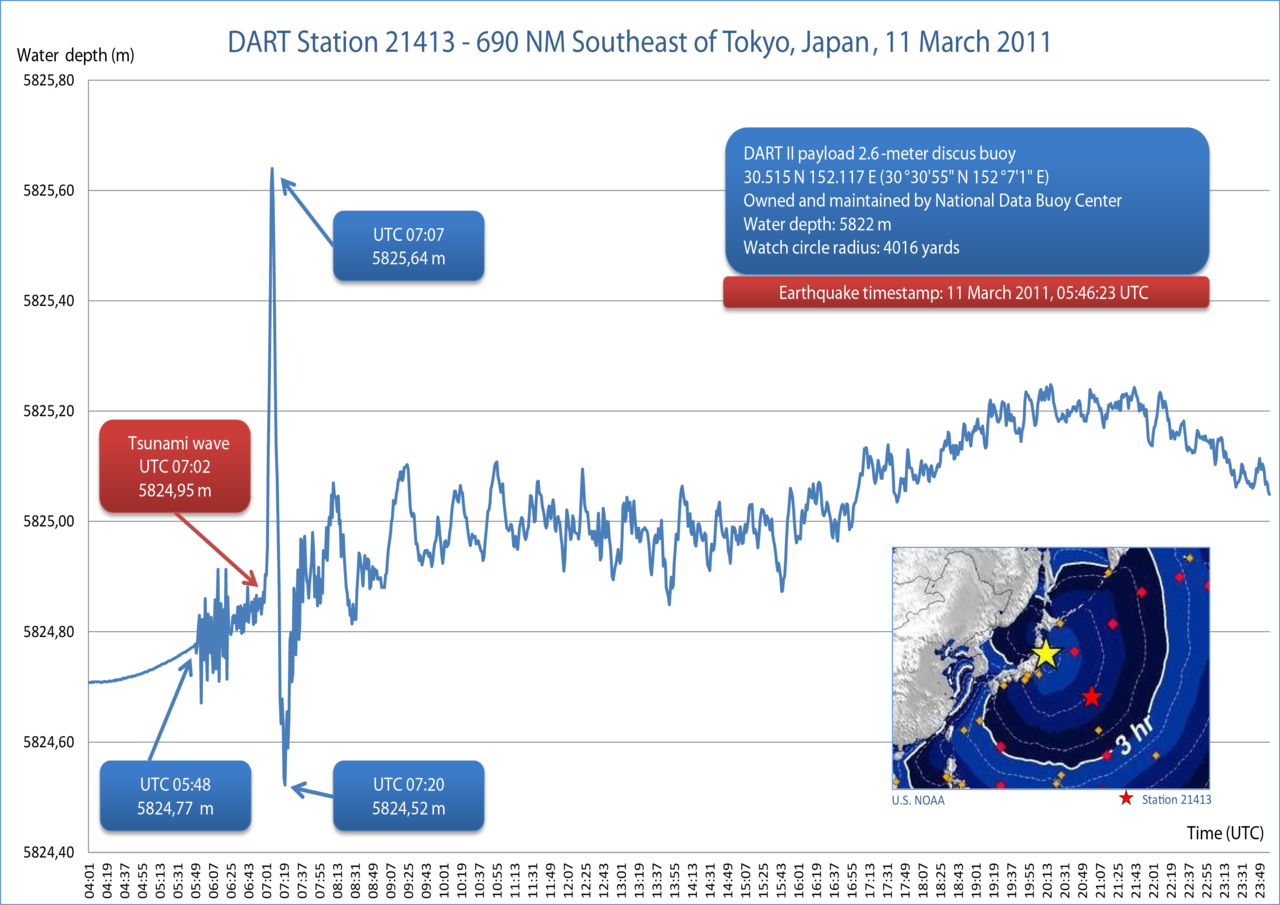
The tsunami waves reached and inundated large stretches of the Pacific coast, with run-up heights in some places exceeding tens of metres and causing widespread destruction of coastal towns, ports, and infrastructure. Flooding extended inland in many locations, sweeping away buildings, vehicles and entire neighbourhoods. The tsunami also propagated across the Pacific basin, producing smaller but measurable effects on distant shores and prompting warnings in multiple countries. Primary direct effects included:
- Loss of life and mass displacement of residents from coastal communities.
- Destruction of transportation, communications and utilities near the shoreline.
- Disruption of supply chains and local economies dependent on fishing and coastal industry.
Casualties and human toll
Official tallies compiled and confirmed by Japanese authorities reported substantial human losses. A later report by the national police agency confirmed thousands dead and many more injured or missing; these figures have been used in government, academic and humanitarian assessments of the disaster's human cost. The scale of displacement, psychological trauma and long-term regional demographic effects has been profound.
Fukushima Daiichi nuclear accident
The tsunami triggered severe damage at the Fukushima Daiichi nuclear power plant, causing coolant failures and partial meltdowns in multiple reactor units. Large evacuations were ordered nearby, and the incident led to extensive remediation, long-term exclusion zones, and international scrutiny of nuclear safety and emergency preparedness. The accident became a central aspect of the event's broader social, environmental and policy consequences.
Response, recovery and legacy
Immediately after the disaster, national and international rescue and relief operations were launched. Reconstruction has included rebuilding towns and hardened coastal defences, revising building codes and tsunami planning, and addressing long-term recovery needs for affected communities. The disaster prompted reviews of nuclear regulation and emergency response worldwide. For further background on the quake, local geography and official reports, see regional and national sources that document the seismic event and its aftermath, including materials focused on the areas around the earthquake, the tsunami, and regional details provided by agencies referenced at magnitude summaries and JMA publications. Additional material is available from scientific and governmental reviews linked through national archives and disaster reports (intensity data, local reports, prefectural briefings, and regional studies), as well as international overviews (nation-level summaries, historical rankings).
Though large-scale reconstruction has progressed, many communities still face long-term recovery challenges and environmental remediation. The 2011 Tōhoku earthquake and tsunami remain a pivotal case in modern disaster science, emergency management and resilience planning.
Questions and answers
Q: What was the magnitude of the 2011 Tōhoku earthquake and tsunami?
A: The 2011 Tōhoku earthquake and tsunami was a 9.0-magnitude earthquake.
Q: Where did the earthquake happen?
A: The earthquake happened 130 kilometres (81 mi) off Sendai, Miyagi Prefecture, on the east coast of the Tōhoku of Japan.
Q: When did the earthquake happen?
A: The earthquake happened on March 11, 2011 at 05:46:23 UTC.
Q: How was the earthquake measured?
A: The earthquake was measured at 8.4 on the JMA seismic intensity scale.
Q: How deep was the earthquake?
A: The earthquake was at a depth of 24.4 km (15.2 miles).
Q: How many people were confirmed dead in the Japanese National Police Agency report?
A: The Japanese National Police Agency report confirmed 15,890 deaths.
Q: Was the 2011 Tōhoku earthquake and tsunami the most powerful earthquake in Japan's recorded history?
A: Yes, the 2011 Tōhoku earthquake and tsunami was the most powerful earthquake to hit Japan in recorded history.
Related articles
Author
AlegsaOnline.com 2011 Tōhoku earthquake and tsunami Leandro Alegsa
URL: https://en.alegsaonline.com/art/112474
Sources
- jma.go.jp : "「平成23年(2011年)東北地方太平洋沖地震」について~7年間の地震活動~"
- npa.go.jp : "Damage Situation and Police Countermeasures... 8 March 2019"
- thebalance.com : thebalance.com/japan-s-2011-earthquake-tsunami-and-nuclear-disaster-3305662.html
- thejakartaglobe.com : "Japan Tsunami Strikes Indonesia, One Confirmed Dead" · webcitation.org
- wireupdate.com : "Body found in Oregon identified as missing tsunami victim" · web.archive.org
- koinlocal6.com : Tsunami victim remains wash ashore near Fort Stevens
- cbsnews.com : "Body of Calif. man killed by tsunami washes up"
- earthquake.usgs.gov : "Magnitude 8.9 - NEAR THE EAST COAST OF HONSHU, JAPAN 2011 March 11 05:46:23 UTC"
- jma.go.jp : "Tsunami Warnings/Advisories" · webcitation.org