
2011 Norway attacks
A coordinated bombing and mass shooting in Norway on 22 July 2011 that killed 77 people; information on the events, perpetrator, victims, legal outcome and national and international reactions.
Overview
On 22 July 2011 Norway experienced two linked terrorist attacks that shocked the nation and drew widespread international condemnation. The incidents began in the capital, Oslo, and continued on an island where a youth political camp was held. The violence combined an explosive device detonated in a government district and an armed assault at a summer gathering, producing a high civilian death toll and many injuries.
Image gallery
10 Images




Timeline and locations
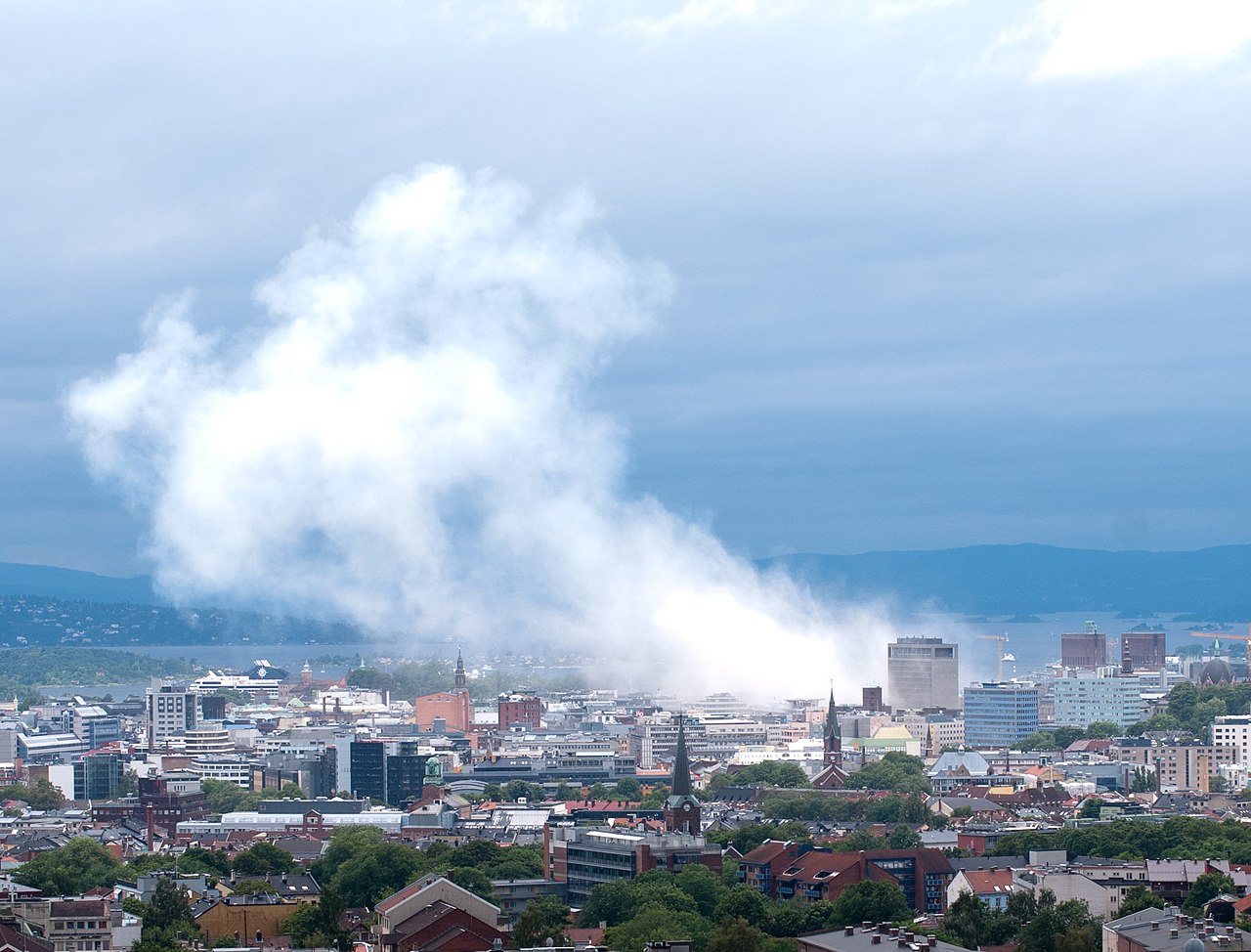
The first event was a car bombing in the government quarter of central Oslo. The blast occurred near several ministries and offices and caused structural damage, shattered windows across downtown streets, and killed several people. The explosion happened close to the office of Prime Minister Jens Stoltenberg, who was not in the building at the time.
- Shortly after the bombing, law enforcement responded to the scene and secured parts of the government quarter.
- About 90 minutes later a separate attack began on the island where a political youth camp was taking place.
Utøya and the mass shooting
The second attack unfolded at a summer camp organized by the youth wing of a major political party on Utøya, an island in the Tyrifjorden area of Buskerud county. A gunman, wearing a police uniform to approach the camp, opened fire on participants. Many of those killed and wounded were young people: a substantial proportion of victims were teenagers attending the event.
Perpetrator and motive
Authorities quickly identified and later charged Anders Behring Breivik with both the bombing and the shooting. Investigations showed that the attacks had been planned in advance. The attacker stated political motivations rooted in extreme right-wing and anti-immigration beliefs; his writings and statements reflected an opposition to multiculturalism and immigration as part of a broader ideology often described as anti-immigration in orientation and hostile to multiculturalism.
Casualties, legal proceedings and response
The combined toll of the two attacks was 77 people killed and many more injured, with scores of survivors affected physically and psychologically. Initial arrests were made at the scenes; most suspects were released as the investigation progressed and the primary suspect was detained and prosecuted. The criminal trial led to a high-profile conviction and a custodial sentence under Norwegian law, alongside debates about mental health, prevention of violent extremism and criminal accountability.
National and international reactions included official statements of solidarity and condemnation from institutions such as the European Union and NATO, and expressions of sympathy from governments and civil society worldwide. The attacks prompted Norway to examine emergency response procedures, police readiness for complex incidents, and strategies to counter violent radicalization while preserving open democratic debate.
Legacy and notable facts
The 22 July attacks remain a defining event in recent Norwegian history. They spurred legislative and operational reviews, support programs for survivors and bereaved families, and an ongoing public conversation about how to balance security, civic openness and the protection of democratic institutions. Memorials and annual commemorations honor the victims and continue to shape Norway's collective memory of the tragedy.
For further reading and source materials, see official reports and reputable overviews linked by institutions and major media outlets for detailed timelines, trial documents and survivor accounts.
Questions and answers
Q: Who was responsible for the 2011 Norway attacks?
A: Anders Behring Breivik, a 32-year-old Norwegian Protestant man, was responsible for the 2011 Norway attacks.
Q: How many people were killed in the attacks?
A: A total of 77 people were killed in the 2011 Norway attacks.
Q: What type of attack happened first?
A: The first attack was a car bombing near government buildings in Oslo.
Q: When did the second attack occur?
A: The second attack occurred about 90 minutes later at a youth camp organized by the youth group (AUF) of the Norwegian Labour Party (AP).
Q: How many teenagers were killed in the attacks?
A: 55 teenagers were killed in the 2011 Norway attacks.
Q: What motivated Anders Behring Breivik to commit these acts?
A: Anders Behring Breivik committed these acts as an act of anti-immigration ideology and against multiculturalism.
Q: How have other countries responded to these attacks?
A:The European Union, NATO and countries around the world have expressed their support for Norway and condemned the attacks.
Related articles
Author
AlegsaOnline.com 2011 Norway attacks Leandro Alegsa
URL: https://en.alegsaonline.com/art/112471
Sources
- vg.no : "At least 91 killed in shootings and bomb blast in Norway"
- boston.com : BG22
- guardian.co.uk : "Norway attacks suggest political motive"
- vg.no : "Storberget: - Den pågrepne er norsk"
- bbc.co.uk : "Scores killed in Norway attack"
- ft.com : "Youth camp shooting after Oslo bomb"
- nytimes.com : "Big Blast Hits Government Buildings in Central Oslo"
- blogs.reuters.com : "Explosion rocks Oslo | Events"
- bbc.co.uk : "Oslo: Bomb blast near Norway prime minister's office"
- telegraph.co.uk : "Oslo explosion: 'several' dead, dozens injured after Norway city blast"
- english.aljazeera.net : "Explosion hits Norwegian PM's office — Europe"
- news.sky.com : "Explosion In Oslo Government Building"
- content.usatoday.com : "17 dead in Oslo bombing, shootings; Norwegian held - On Deadline"
- aftenposten.no : "Sigbjørn Johnsen til forsvar for euroen"
- forskningsradet.no : "Norway on summer vacation"