
2011 Vancouver Stanley Cup riot
A large-scale public disturbance in downtown Vancouver on June 15, 2011, after Game 7 of the Stanley Cup Finals; caused injuries, arrests and significant property damage and prompted public debate on crowd safety.
Overview
On the evening of June 15, 2011 a chaotic outbreak of public disorder occurred in downtown Vancouver, British Columbia, Canada. The disturbance followed the conclusion of Game 7 of the 2011 Stanley Cup Finals between the Vancouver Canucks and the Boston Bruins. What began as large crowds watching the deciding game on public screens turned, in some areas, into a violent episode involving fires, vandalism and looting.
Image gallery
10 Images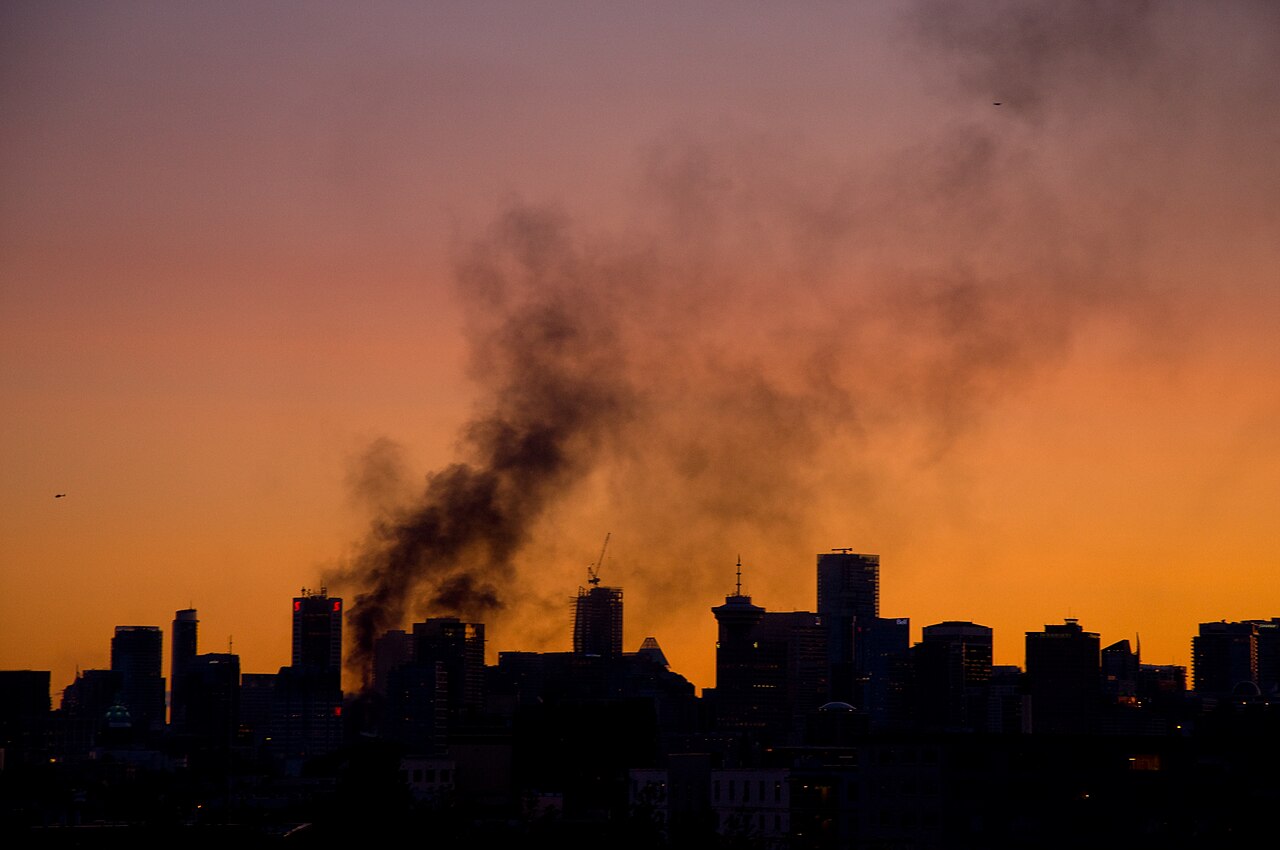


What happened
After the Bruins won the championship, portions of the crowd reacted with anger and destructive behavior. Witnesses and news reports described people throwing objects at large public screens, smashing storefront windows and overturning vehicles. Rioters set fire to flags and at least two cars, including vehicles in front of a major postal building; additional fires were reported inside a nearby parking structure, affecting several cars and two police cruisers. The disorder continued for several hours before dispersing late that night.
Injuries, arrests and damage
- Police and hospital sources reported that at least 140 people were treated for injuries; one person was listed in critical condition and at least four people were stabbed.
- Close to 100 people were arrested during and after the riot, and many others were later identified via media images and charged or questioned by authorities.
- Photos and coverage showed extensive property damage and looting of retail premises; media outlets characterized the scale of destruction as greater in some respects than previous sports-related disturbances in the city, notably the 1994 riot following another Game 7 (1994 Canucks riot).
Contributing factors and analysis
Observers and commentators pointed to a mixture of factors that can accompany large, emotionally charged gatherings: crowd psychology, alcohol consumption, opportunistic criminal behavior and insufficient crowd-management measures. Analyses after the event discussed how a relatively small subset of attendees escalated violence and how public viewing spaces can be vulnerable when tensions run high. The mayor at the time described the violent participants as "a small group of troublemakers," highlighting the contrast between the majority of peaceful spectators and a destructive minority.
Responses and aftermath
Police investigations, arrests and subsequent legal proceedings followed the disturbance. Several people whose faces had been broadcast on television turned themselves in or were later identified by authorities; among those identified was an individual accused of igniting the first car fire. The event prompted public debate about event planning, policing strategies for major city celebrations, and responsibilities for crowd control in urban centers. Media coverage and civic leaders urged accountability, and many civic discussions centered on preventing similar incidents at future sporting and public events.
Significance and notable facts
The June 15 incident remains one of the most widely reported instances of sports-related civil disorder in Canada in the 21st century. It is frequently cited in discussions about the risks of large public gatherings linked to major sporting events and the need for careful coordination between organizers, police and municipal authorities. For broader context on riots and public disorder, see general references on rioting and crowd control practices. Contemporary accounts and follow-up reporting are available through major news organizations and public records for those seeking detailed timelines or legal outcomes.
Related reading and coverage of the game, the teams and historical comparisons are available via contemporary sports reports and civic reviews that addressed both the immediate damage and longer-term civic responses to the disturbance.
rioting | Vancouver | British Columbia | Canada | Boston Bruins | Vancouver Canucks | 2011 Stanley Cup Finals | 1994 Canucks riot
Questions and answers
Q: What happened during the 2011 Vancouver Stanley Cup riot?
A: The 2011 Vancouver Stanley Cup riot was a riot that took place on June 15, 2011 in Vancouver, British Columbia, Canada. It happened immediately after the Boston Bruins defeated the Vancouver Canucks in Game 7 of the 2011 Stanley Cup Finals. People were angry over the result of the final game and threw objects at large screens that were at the viewing area. They set fire to Boston Bruins flags, overturned and set fire to two vehicles in front of the main Canada Post headquarters. There were reports of similar car fires in a nearby parking garage that included two police cruisers. The rioters smashed windows and looted stores.
Q: How many people were injured during this incident?
A: At least 140 people were reported as being injured in this incident, one critically and at least four people were stabbed.
Q: How did it end?
A: The riot ended around midnight when people in the crowd either went home or were arrested.
Q: Who called those involved "troublemakers"?
A: The mayor of Vancouver, Gregor Robertson, called those involved "a small group of troublemakers".
Q: How did some participants turn themselves into police?
A: Some participants turned themselves into police after their faces were shown on TV, including the person responsible for setting the first car on fire.
Q: Was there more destruction than from a previous Stanley Cup Final loss by Vancouver?
A: According to CBC News, there was more destruction caused by these rioters than from a previous Stanley Cup Final loss by Vancouver - especially with regards to looting aspects.
Q: How many people got arrested during this incident?
A: Close to 100 people got arrested during this incident
Related articles
Author
AlegsaOnline.com 2011 Vancouver Stanley Cup riot Leandro Alegsa
URL: https://en.alegsaonline.com/art/112476
Sources
- cbc.ca : "A tale of two riots - Canada - CBC News"
- ctvbc.ctv.ca : "From bad to brutal: Timeline of a riot | CTV British Columbia"
- thestar.com : "Pandemonium as angry Canucks fans set cars ablaze"
- theprovince.com : "Six rioters turn themselves in, police upping investigation team"