
2011 FIFA Women's World Cup — overview, key matches, and legacy
Summary of the 2011 FIFA Women’s World Cup in Germany: format, key results, Japan’s historic victory, standout players and tournament legacy.
Overview
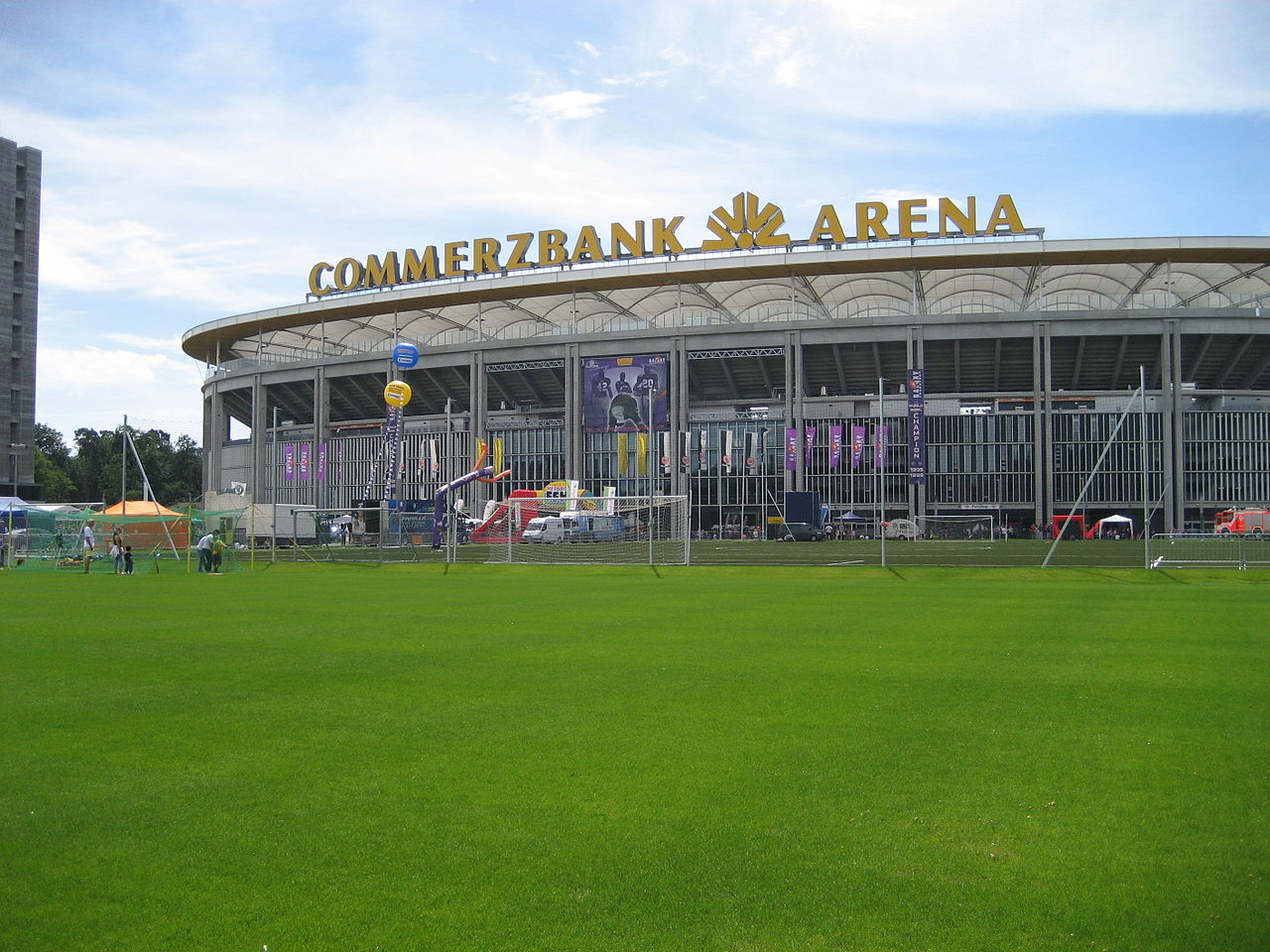
The 2011 FIFA Women’s World Cup was the sixth edition of FIFA’s premier women’s national team tournament. Hosted by Germany, the competition ran from June 26 to July 17, 2011. Sixteen teams contested the title through a group stage followed by single-elimination rounds. The final, held at the Commerzbank Arena in Frankfurt, saw Japan defeat the United States on penalties after a 2–2 draw, making Japan the first Asian nation to win a senior FIFA World Cup.
Image gallery
10 Images




Format and participants
The tournament began with four groups of four teams each. The top two teams from every group advanced to the quarter-finals, then semi-finals and the final. Traditional powers such as the United States and Germany participated alongside emerging nations, providing a mix of continental champions and qualifiers from around the world. More information about the overall tournament structure and official documentation can be found on the tournament page: 2011 FIFA Women’s World Cup.
Key matches and the final
Japan’s path to the title included a dramatic quarter‑final victory over defending champions Germany, which eliminated the hosts and title holders. The final between Japan and the United States finished 2–2 after extra time. The match went to a penalty shootout; Japan won the shootout 3–1 and lifted the trophy. The match took place at the Commerzbank Arena in Frankfurt, one of several German venues that hosted group and knockout fixtures.
Standout players and awards
Japanese captain Homare Sawa was a central figure throughout the tournament. She finished as the tournament’s top scorer and was also voted the best player, receiving both the Golden Boot and Golden Ball awards. The competition showcased many top talents from different countries, and the award winners and statistics are summarized below.
- Golden Ball / Golden Boot: Homare Sawa (Japan)
- Runners-up: United States
- Final venue: Commerzbank Arena
- Penalty shootout details and rules: penalty shootout
Legacy and significance
Japan’s victory carried symbolic importance beyond sport: it was the first time a team from Asia won a senior FIFA World Cup and the result was widely celebrated in Japan, where the national team’s success was seen as a morale boost after the country’s natural disasters earlier that year. The tournament also helped to increase global interest in women’s football, encouraged investment in the women’s game, and highlighted the growing parity between traditional and emerging footballing nations.
For official records, post‑tournament reports and historical summaries consult the tournament resources and team pages: tournament overview, Japan national team, and Germany national team.
Questions and answers
Q: How many FIFA Women's World Cup tournaments have been held so far?
A: Six FIFA Women's World Cup tournaments have been held so far.
Q: When was the 2011 FIFA Women's World Cup held?
A: The 2011 FIFA Women's World Cup was held from June 26 to July 17.
Q: Who were the champions of the 2011 FIFA Women's World Cup?
A: Japan were the champions of the 2011 FIFA Women's World Cup.
Q: How did Japan win the final in the 2011 FIFA Women's World Cup?
A: Japan won the final of the 2011 FIFA Women's World Cup against the United States 2(3)-2(1) with penalty shots.
Q: Which team did Japan beat in the quarter-finals of the 2011 FIFA Women's World Cup?
A: Japan beat defending champions Germany in the quarter-finals of the 2011 FIFA Women's World Cup.
Q: Where was the final match of the 2011 FIFA Women's World Cup played?
A: The final match of the 2011 FIFA Women's World Cup was played in the Commerzbank Arena in Frankfurt, Germany.
Q: What was special about Japan's victory in the 2011 FIFA Women's World Cup?
A: Japan's victory in the 2011 FIFA Women's World Cup made them the first Asian team to win any FIFA World Cup.
Related articles
Author
AlegsaOnline.com 2011 FIFA Women's World Cup — overview, key matches, and legacy Leandro Alegsa
URL: https://en.alegsaonline.com/art/112468