
1989 — Year of Political Upheaval and Global Change
A common year beginning on Sunday in the Gregorian calendar notable for the collapse of communist regimes across Eastern Europe, the waning of the Cold War, and several major disasters and cultural milestones.
1989 (MCMLXXXIX) was a common year that began on Sunday in the Gregorian calendar. By conventional era numbering it is the 1989th year of the Common Era (CE), the Anno Domini period (AD), the 989th year of the second millennium (2nd millennium), the 89th year of the 20th century (20th century) and the tenth and final year of the 1980s decade (1980s). In calendar terms it was a common (non-leap) year whose weekday arrangement placed many nations beginning the year on a Sunday (weekday), a detail used by historians and chronologists (calendar studies).
Beyond calendrical notes, 1989 is widely remembered for seismic political change. A cascade of largely nonviolent uprisings and revolutions dissolved long-standing communist governments across the Eastern Bloc, culminating in symbolic and practical breaks with decades of division. Those developments significantly accelerated the end of the Cold War era (Cold War) and reshaped borders, institutions and alliances in Europe and beyond.
Image gallery
10 Images


Notable events
- Major political transitions in Eastern Europe, including the fall of authoritarian regimes and the opening of borders.
- Large-scale protests and, in some places, violent confrontations that transformed national leaderships and policies.
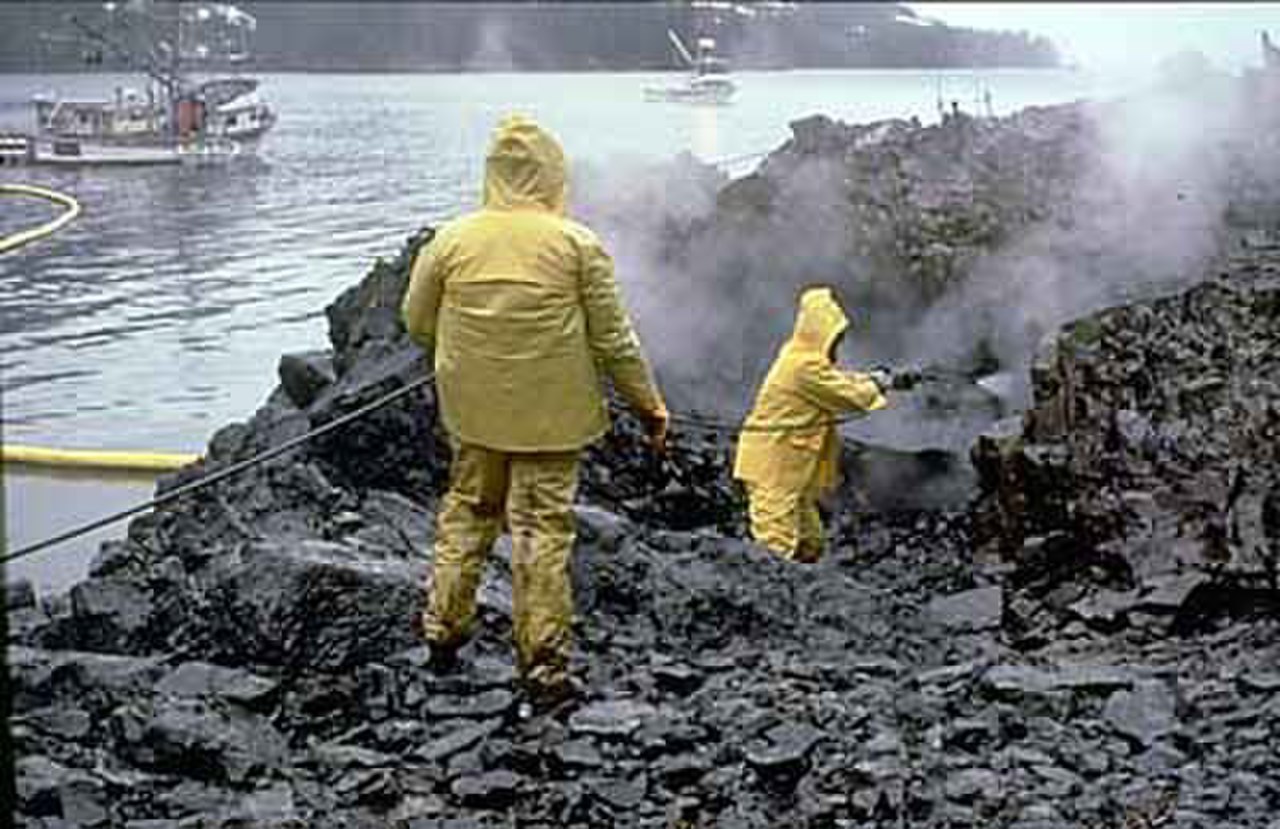
- Significant natural and human-caused disasters, such as a major earthquake and a large oil spill, which had lasting economic and environmental effects.
- Shifts in global diplomacy and security policy as superpower tensions eased and new forms of cooperation emerged.
In culture and technology, 1989 saw both continuity and change. Entertainment industries produced influential films, music and games that reflected late-Cold-War sensibilities while consumer technology—computing and electronics—continued expanding into mass markets. These cultural products often serve as reference points for the social mood of the era.
Context and significance
The events of 1989 are studied for their rapid political realignments and for how quickly public movements achieved results in some countries. Scholars view the year as a turning point that highlighted the interplay of economic pressure, political reform, civic mobilization and international diplomacy. Its legacy includes newly independent governments, revised security arrangements in Europe, and an accelerated pace of globalization and technological adoption.
While the calendar facts—how the year is classified and when it began—are useful for chronology, the broader importance of 1989 lies in its combination of symbolic moments and substantive changes that altered international relations, domestic politics, and cultural life across the world.
Questions and answers
Q: What is the significance of the year 1989?
A: 1989 marked the end of the Eastern Bloc and the Cold War.
Q: In what year did 1989 fall under the Gregorian calendar?
A: 1989 fell under the Gregorian calendar as a common year starting on Sunday.
Q: What are the CE and AD designations for 1989?
A: 1989 is both the 1989th year of the Common Era (CE) and Anno Domini (AD) designations.
Q: What year of the millennium is 1989?
A: 1989 is the 989th year of the 2nd millennium.
Q: In what decade does 1989 belong to?
A: 1989 is the last year of the 1980s decade.
Q: What ended during the year 1989?
A: A wave of counter revolutions ended the Eastern Bloc and the Cold War during the year of 1989.
Q: What is the total number of the years in the 20th century?
A: The 20th century lasted for 100 years. Therefore, the total number of years in the 20th century is 100.
Related articles
Author
AlegsaOnline.com 1989 — Year of Political Upheaval and Global Change Leandro Alegsa
URL: https://en.alegsaonline.com/art/112222