
1992 Los Angeles riots (Rodney King uprisings)
Major civil unrest in Los Angeles following the April 1992 acquittal of four police officers in the videotaped beating of Rodney King. Widespread violence, arson, looting and a national response followed.
Overview
The 1992 Los Angeles riots were a large episode of civil unrest that began on April 29, 1992, after a jury acquitted four Los Angeles Police Department officers who had been captured on video beating motorist Rodney King. The verdict, delivered in a venue and by a jury composition that many observers considered unrepresentative of the city’s population, triggered widespread anger and street violence across Los Angeles and surrounding communities. The unrest is also commonly referred to as the Rodney King riots or the Rodney King uprising.
Image gallery
10 Images



Background and immediate cause
On March 3, 1991, video footage of officers beating Rodney King after a high‑speed chase was recorded and later broadcast widely, intensifying public scrutiny of policing and racial tensions in Los Angeles. When a criminal trial ended in acquittal for the officers on April 29, longstanding grievances about perceived police misconduct, economic inequality, and segregated neighborhoods boiled over into violent protests and criminal acts that lasted several days.
Events and character of the unrest
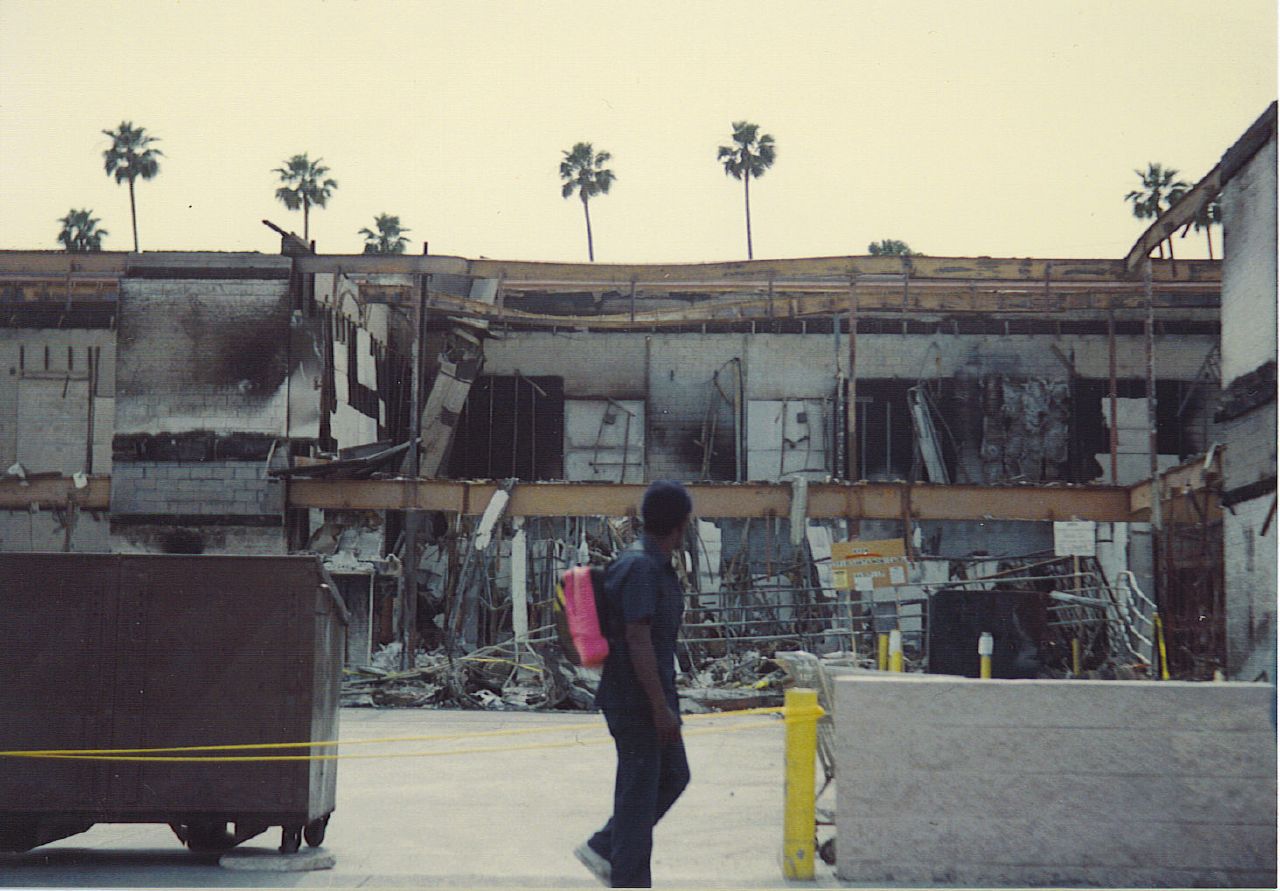
Over the course of the disturbance there were large clashes between civilians and police, extensive looting, arson, and localized efforts by residents to defend neighborhoods. Business corridors in parts of South Central Los Angeles and in other districts, including Korean American commercial areas, experienced severe property damage. Law enforcement, the California National Guard, and federal forces were mobilized to reestablish order; curfews and state of emergency declarations were imposed.
Consequences and significance
The riots resulted in numerous deaths and injuries, thousands of arrests, and widespread economic damage. Beyond the immediate human and material losses, the events prompted public debate about policing practices, race relations, urban policy, and the criminal justice system. They led to investigations, civil litigation, and calls for reforms in law enforcement and community relations that influenced policy discussions in the years that followed.
Key facts and further reading
- Also known as the Rodney King riots or Rodney King uprising.
- Triggered by the acquittal of officers in a high‑profile videotaped beating.
- Produced a large military and law enforcement response to restore order.
Resources
Contemporary reports, legal records and historical retrospectives are useful for deeper study: court and trial summaries, police department statements, media coverage archives, community impact studies, oral histories, academic analyses, and official inquiries.
Related articles
Author
AlegsaOnline.com 1992 Los Angeles riots (Rodney King uprisings) Leandro Alegsa
URL: https://en.alegsaonline.com/art/112240
Sources
- nytimes.com : "Los Angeles Policemen Acquitted In Taped Beating"
- latimes.com : "Baltimore riots and the long shadow of 1992 Los Angeles"