
1991 Atlantic hurricane season
Overview of the 1991 Atlantic hurricane season, its activity, key characteristics, notable impacts such as Hurricane Bob, and how a quiet season can still produce damaging storms.
The 1991 Atlantic hurricane season officially ran from June 1, 1991, to November 30. These dates define the period when tropical cyclone formation is most common in the Atlantic basin, though individual systems can form earlier or later. Overall the year was comparatively quiet in terms of storm count, yet it confirmed a familiar lesson: a low number of storms does not eliminate the risk of deadly or costly impacts.
Image gallery
10 Images
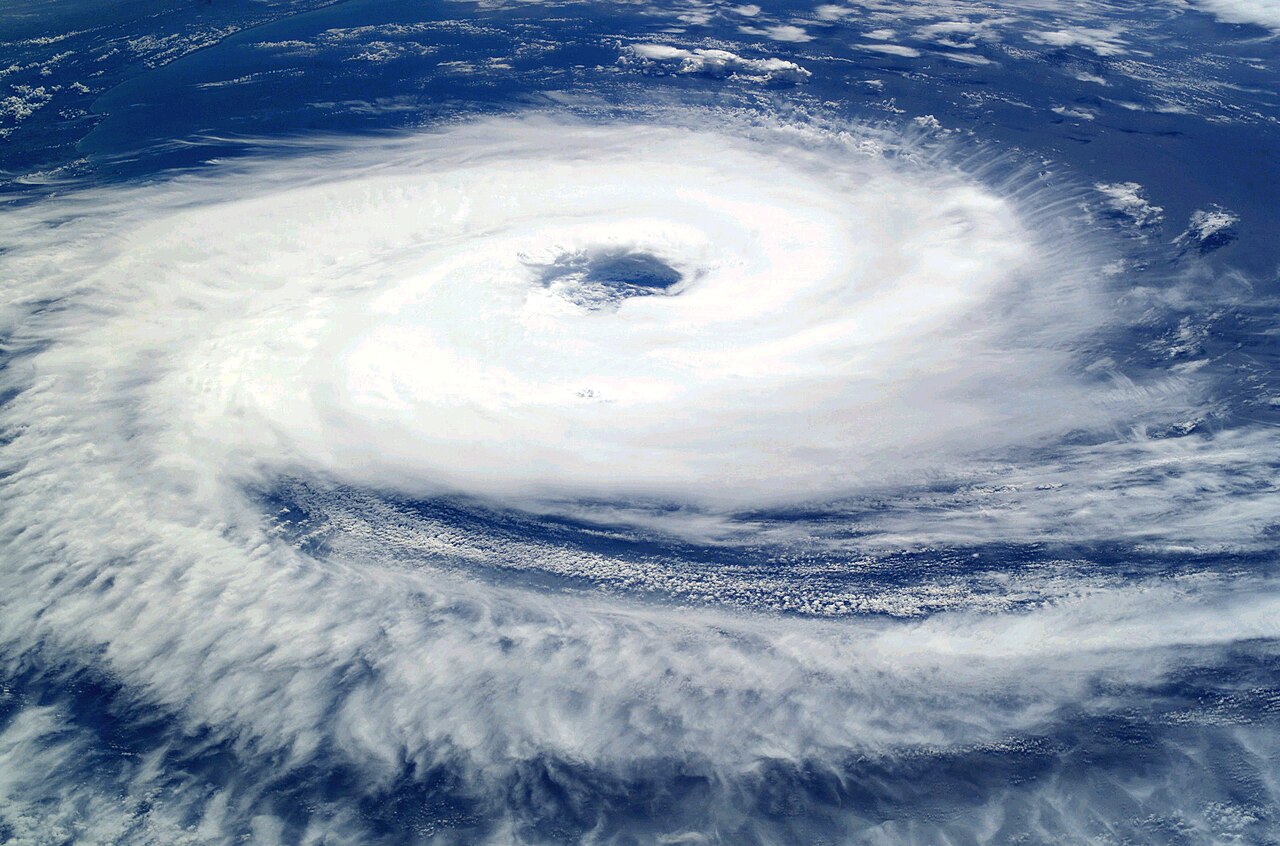


Season summary and statistics
Official tallies from that season recorded a total of four tropical depressions, four named tropical storms, and two hurricanes, of which two reached major hurricane strength (Category 3 or higher on the Saffir–Simpson scale). These figures place 1991 below the long-term average for the Atlantic basin in terms of frequency. Activity was concentrated in a few systems rather than many short-lived storms.
Characteristics and meteorological context
Several atmospheric and oceanic factors govern seasonal activity, including sea surface temperatures, vertical wind shear, and large-scale climate patterns. In quieter seasons like 1991 the combination of inhibiting wind shear and less favorable conditions in the tropical Atlantic limits the development and persistence of organized tropical cyclones. Nonetheless, when conditions momentarily align, storms can intensify rapidly and become dangerous.
Notable storms and impacts
Even with a reduced count of systems, the season produced some significant events. The most widely remembered was Hurricane Bob, which made landfall in the northeastern United States and caused disruption, erosion, and property damage in coastal communities. Bob illustrated how a single storm from an otherwise muted season can dominate headlines and recovery efforts.
Historical perspective and lessons
Historically, seasons with below-average counts demonstrate that preparedness should not be relaxed solely because forecasts predict reduced activity. Forecasts estimate probabilities and environments can change; local impacts depend on a storm's track, size, and intensity at landfall. Emergency planning, resilient coastal infrastructure, and timely warnings remain essential every year.
Key points
- Official season dates: June 1 to November 30.
- Storm totals: 4 depressions, 4 tropical storms, 2 hurricanes, 2 major hurricanes.
- Notable impact: Hurricane Bob was the most consequential storm of the season.
- Takeaway: Low activity does not eliminate the potential for damaging storms.
For further historical data and detailed storm tracks, consult archived seasonal reports and tropical cyclone summaries available from meteorological agencies and research institutions. These sources provide storm-by-storm analyses, post-season reports, and best-track datasets for deeper study.
Related articles
Author
AlegsaOnline.com 1991 Atlantic hurricane season Leandro Alegsa
URL: https://en.alegsaonline.com/art/112235