
1987 Atlantic hurricane season
A near‑average Atlantic hurricane season running June 1–November 30, 1987. Activity was muted, producing mainly weak storms: three became hurricanes and one reached major hurricane strength.
Overview
The 1987 Atlantic hurricane season officially extended from June 1 through November 30. Although those are the conventional bounds of the hurricane season, tropical cyclones occasionally form outside them: for example, a system that was designated Tropical Depression One developed on May 25. Overall the season was regarded as near average in activity but featured storms that were generally short‑lived and less intense than those in some other years.
Image gallery
10 Images


Characteristics and classification
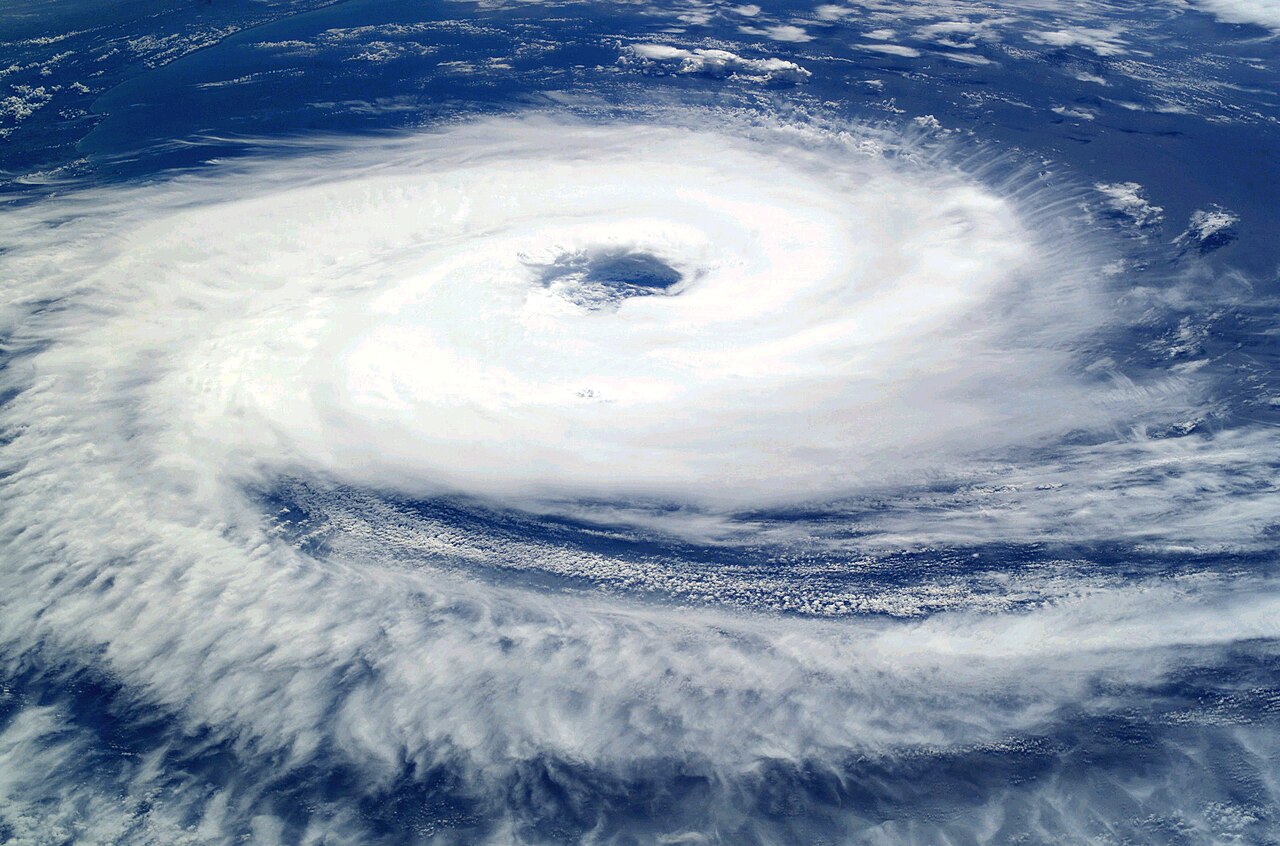
Storms in the Atlantic basin are classified by their maximum sustained winds. Systems begin as tropical depressions, may intensify into tropical storms (and receive names), and can reach hurricane strength when winds exceed 74 mph. Major hurricanes are Category 3 or higher on the Saffir–Simpson scale. In 1987 relatively few systems attained high intensity: three storms became hurricanes and one reached major hurricane status, while several other disturbances remained as depressions or weak tropical storms.
Seasonal development and meteorological context
The season’s modest intensity reflected a mix of environmental factors. Large‑scale conditions that influence Atlantic activity include sea surface temperatures, vertical wind shear, and the presence of dry air or Saharan dust. In years with elevated wind shear or cooler waters, tropical waves that typically emerge from the coast of Africa often struggle to organize, resulting in fewer and weaker hurricanes. Detailed synoptic analyses for 1987 point to such suppressing influences as contributors to the season’s character.
Impacts and historical importance
Compared with busy seasons, 1987 produced relatively limited impacts on land; most systems were short‑lived or remained over open water. Still, any hurricane season is important to coastal communities because even weaker storms can cause flooding, coastal erosion, and localized damage. The season served as a reminder that tropical cyclones can form outside the official window and that preparedness should be year‑round in vulnerable regions.
Notable facts and distinctions
Two points often highlighted about 1987 are its modest overall intensity and the off‑schedule development of the early tropical depression. The season is sometimes cited in comparative studies of interannual variability in Atlantic hurricane activity, illustrating how atmospheric conditions can markedly alter the number and strength of storms from one year to the next. For more detailed records and storm-by-storm accounts, consult archival summaries and basin reports available from meteorological agencies and historical datasets (season summary).
- Official season dates: June 1–November 30
- Early system: Tropical Depression One formed on May 25
- Intensity note: three hurricanes, one major hurricane
Related articles
Author
AlegsaOnline.com 1987 Atlantic hurricane season Leandro Alegsa
URL: https://en.alegsaonline.com/art/112209