
1812
Overview of the year 1812: calendar placement, major international conflicts (Napoleon's invasion of Russia and the War of 1812), cultural notes, and chronological context.
1812 was a leap year that began on a Wednesday in the Gregorian calendar. For calendar details see the year layout starting-day information and the rules of the Gregorian calendar. The year is best remembered for large-scale military conflicts that shaped 19th-century geopolitics and for cultural developments that were later associated with these events.
Image gallery
10 Images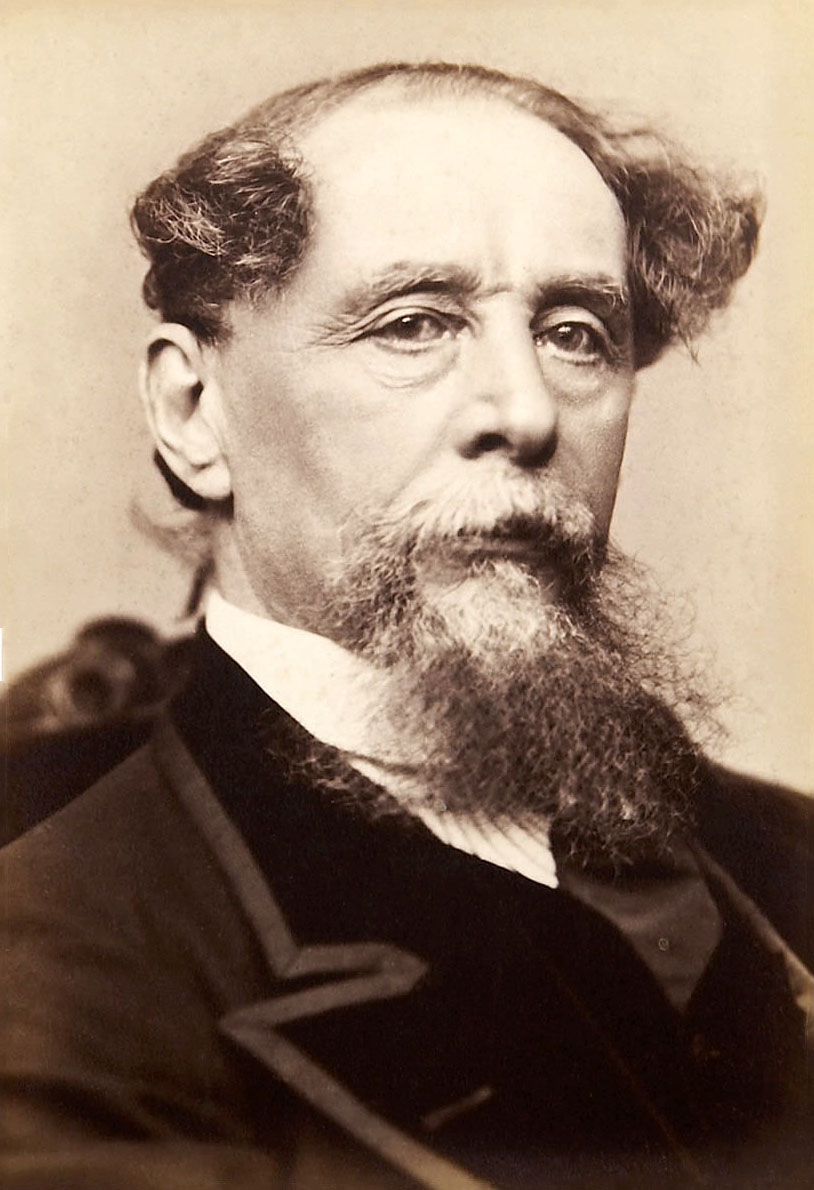





Major events and conflicts
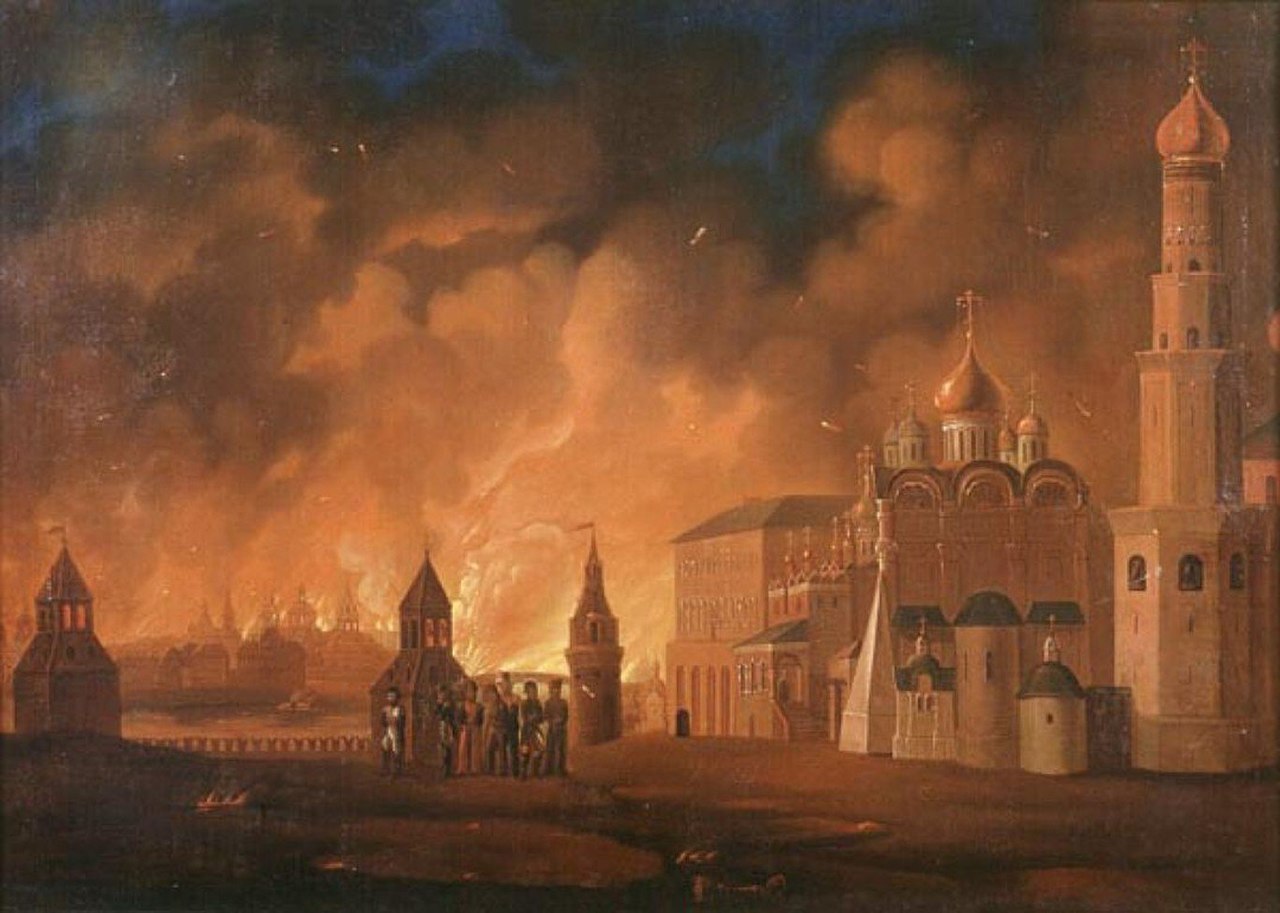
Two concurrent wars dominate accounts of 1812. In Europe, Napoleon Bonaparte launched his invasion of the Russian Empire in the summer of 1812, a campaign that began in June and ultimately ended in a costly retreat. In North America, tensions between the United States and Great Britain culminated in the War of 1812, a conflict that formally began in June 1812 and involved land and naval actions along the U.S.–Canadian border and the Atlantic seaboard.
Other notable occurrences include ongoing operations of the Napoleonic Wars on the Iberian Peninsula and shifting alliances across Europe. These events had long-term effects on military strategy, national boundaries, and diplomatic practice.
Consequences and significance
Napoleon's Russian campaign weakened French power in Europe and contributed to the coalition forces that would later oppose him. The War of 1812 reinforced U.S. national identity and tested maritime and frontier policies; it concluded with negotiations culminating in the Treaty of Ghent the following year. Both conflicts influenced nineteenth-century politics, military doctrine, and national narratives.
Culturally, the year has been commemorated and mythologized in later works. A well-known musical tribute is the "1812 Overture," composed in the late nineteenth century to celebrate Russian resistance to the invading army. Writers, artists, and historians have continued to revisit 1812 as a turning point in the Napoleonic era and in North American history.
Chronology and notable figures
As a leap year, 1812 contained an extra day in February under the rules applied by most Western countries using the Gregorian system. The year also saw the birth of several figures who would become prominent in later decades; among the better-known is the novelist Charles Dickens, born in February 1812. The combination of military, political, and cultural developments gives 1812 an enduring place in modern historical memory.
Related articles
Author
AlegsaOnline.com 1812 Leandro Alegsa
URL: https://en.alegsaonline.com/art/111763