
1815
Year marked by Napoleon’s final defeat at Waterloo, the end of the Napoleonic wars and the Congress of Vienna settlement, and the Tambora eruption that led to the “Year Without a Summer.”
Overview
1815 is widely regarded as a turning point in early 19th-century history. It combined decisive military and diplomatic events that reshaped Europe with a major volcanic eruption that produced measurable global climatic effects. The interactions of politics, war and environment in this year set patterns that influenced the remainder of the century.
Image gallery
10 Images





Major political and military events
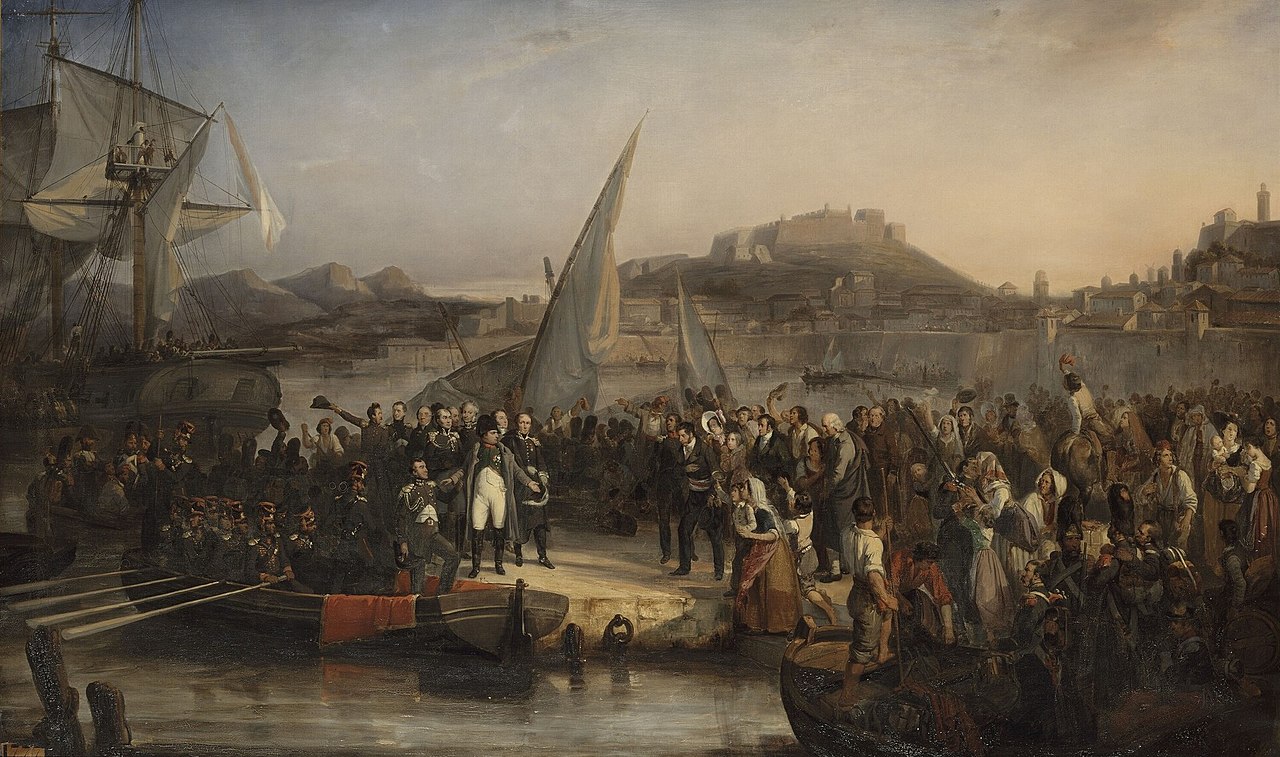
In the political and military sphere, the year saw Napoleon Bonaparte escape exile on Elba, return to power for the period known as the "Hundred Days," and suffer a final defeat at the Battle of Waterloo on June 18, 1815. That defeat ended Napoleon's rule and led to his second abdication and removal to permanent exile. Armed conflicts and shifting alliances of the preceding decades concluded, allowing the principal powers to pursue a negotiated settlement.
Diplomacy and the Congress of Vienna
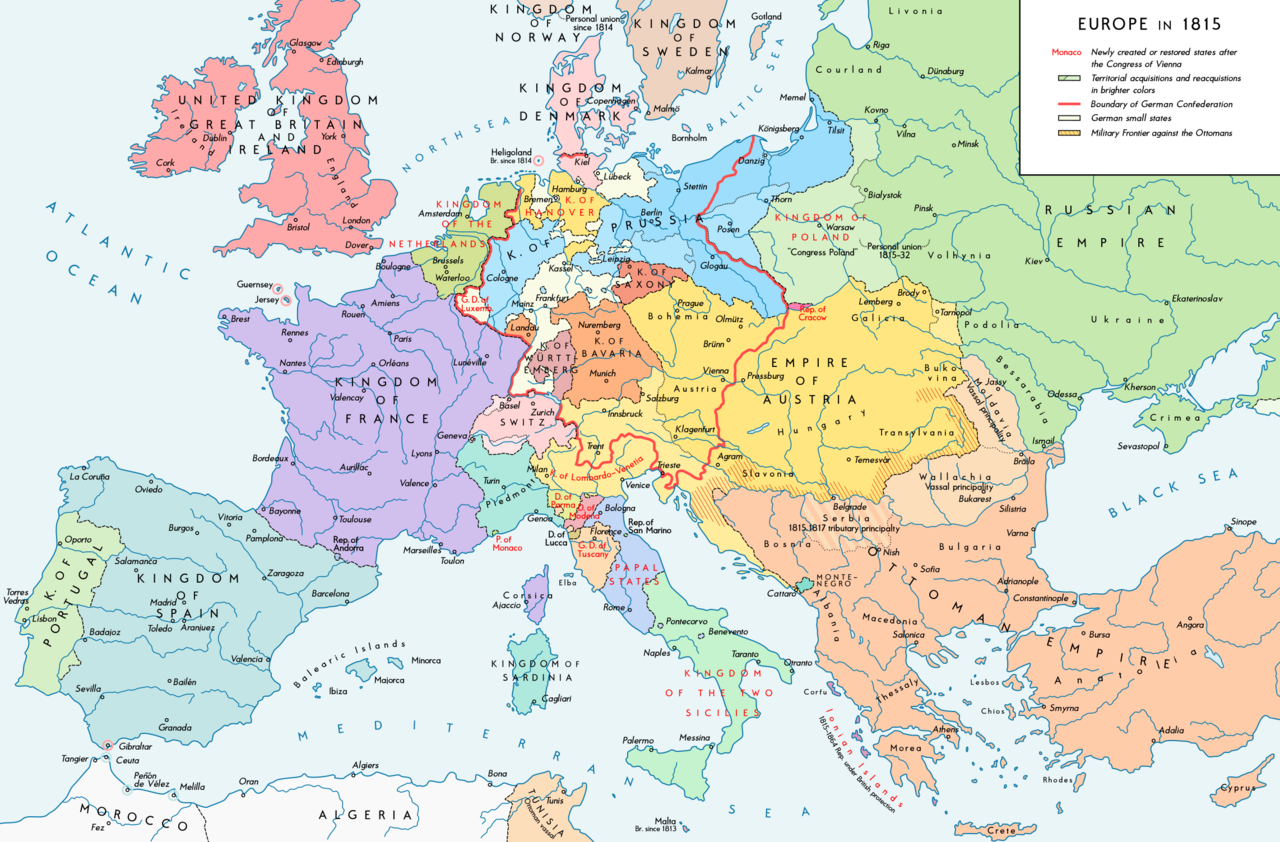
The Congress of Vienna, which began in 1814 and continued into 1815, completed a diplomatic settlement aimed at restoring stability after the revolutionary and Napoleonic eras. Representatives of the great powers sought a balance of power to prevent future widespread European wars, implemented territorial adjustments, and promoted the restoration of many traditional monarchies. New arrangements included a reorganization of German-speaking states and diplomatic frameworks intended to manage continental relations.
Natural events and climate effects
In April 1815 Mount Tambora, in what is now Indonesia, produced one of the largest volcanic eruptions in recorded history. The eruption injected ash and sulfur compounds into the upper atmosphere, which contributed to notable temperature anomalies the following year. The climatic disruption of 1816, often called the "Year Without a Summer," brought crop failures, unusual frosts and snow in summer months in parts of Europe and North America, and associated food shortages and migration in some regions.
Culture, science and legacy
The combined political reordering and environmental shock of this period influenced culture and science. Political developments shaped the growth of conservative and liberal movements, while climatic hardship affected agriculture and public health. The gloomy conditions of 1816 have been associated with artistic and literary responses in the early 19th century; scientific interest in atmospheric effects and volcanology grew as observers sought explanations for weather anomalies.
Notable facts
- The "Hundred Days" refers to Napoleon's return from Elba and brief restoration before Waterloo.
- The Congress of Vienna aimed to secure a durable peace through a balance of power and diplomatic congresses.
- The Tambora eruption is a key example of how a single large volcanic event can influence climate and human societies at continental scales.
Related articles
Author
AlegsaOnline.com 1815 Leandro Alegsa
URL: https://en.alegsaonline.com/art/111767