
1824
Year marked by major political realignments and cultural milestones: Beethoven's Ninth premiere, U.S. election decided by the House, the Battle of Ayacucho ending major Spanish rule in South America, and other global events.
1824 was a year of political turning points and cultural landmarks during the early 19th century. Across the Americas and Europe, military campaigns and diplomatic agreements reshaped colonial control, while developments in law, music and industrial technology reflected wider social and economic change.
Image gallery
10 Images





Major political and military events
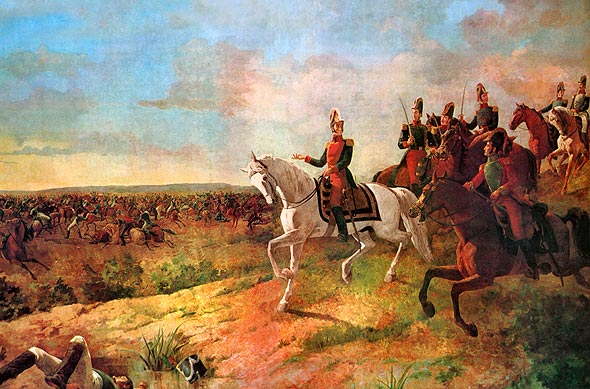
- South America: The campaign for independence from Spain culminated in decisive actions late in the year, most notably military victories that effectively ended large-scale Spanish rule on the continent.
- Asia and the British Empire: Conflict in Southeast Asia escalated when a major Anglo–Burmese war began, initiating a multi-year struggle that altered control along parts of the frontier between British India and Burma.
- Diplomacy: European powers continued to settle colonial spheres of influence; treaties negotiated in this period clarified possession and commercial rights in parts of Southeast Asia.
In the United States the presidential election of 1824 produced a pluralistic contest among several prominent leaders. No candidate won an outright electoral majority, so the House of Representatives selected the president. That result and the political dealings surrounding it would provoke sustained public debate and reshape party alignments in the years that followed.
Law, culture and science
1824 also saw a landmark U.S. Supreme Court decision that clarified federal authority over interstate commerce, strengthening the role of the national government in economic regulation. In music, one of the era's great premieres took place when a composer unveiled a major symphony that combined choral and orchestral forces and quickly attained lasting fame.
Literature, theater and the visual arts continued to reflect Romantic-era themes of nationalism and individual expression. The intensity of independence struggles and the global spread of industrial technologies contributed to fast-moving cultural and socioeconomic change.
Notable deaths during the year included leading figures of the Romantic movement who had taken active, sometimes personal roles in liberation causes. The events of 1824 connect to broader early-19th-century trends: the decline of old colonial empires in the Americas, the consolidation of imperial interests in Asia, and growing legal and cultural institutions that shaped later modern states.
Related articles
Author
AlegsaOnline.com 1824 Leandro Alegsa
URL: https://en.alegsaonline.com/art/111778