
1814: End of Napoleon's Rule, Congress of Vienna, and Global Political Shifts
Overview of 1814: Napoleon's abdication and exile, the Congress of Vienna's reshaping of Europe, and related global developments from Norway's constitutional bid to the closing stages of the War of 1812.
The year 1814 was a turning point in the Napoleonic era and in relations between the major powers of Europe. A campaign by the Sixth Coalition forced Napoleon from the throne, leading to his exile and a temporary restoration of the Bourbon monarchy in France. At the same time diplomatic negotiations opened that would reshape the continent, while across the Atlantic the conflict between the United States and Britain reached its conclusion. Cultural life continued to produce notable works amid the political upheaval.
Image gallery
10 Images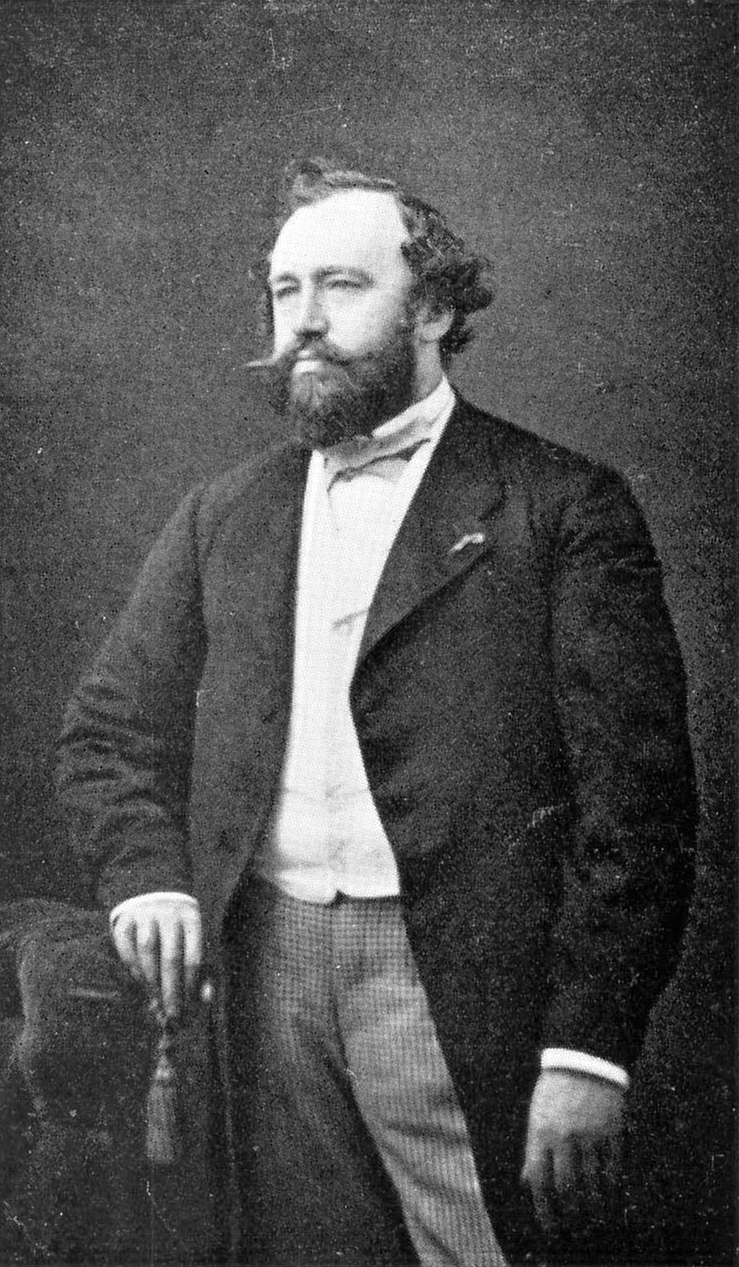






Europe and the end of Napoleon's rule
After the defeat of French forces in 1813, allied armies invaded France early in 1814. Allied troops entered Paris at the end of March, and Napoleon abdicated in early April. The Treaty of Fontainebleau, signed soon afterward, allowed Napoleon to go into exile on the island of Elba. The Bourbon dynasty was restored and the exiled king returned to France; the new regime quickly set about reorganizing the government.
Delegates from the victorious powers gathered in late 1814 at the Congress of Vienna to negotiate a settlement intended to restore stability and redraw borders after years of war. The congress opened in the autumn and continued into 1815, producing a diplomatic framework that influenced European affairs for decades.
Campaigns and military events
- Napoleon carried out a series of defensive actions in early 1814 but was ultimately outnumbered by the allied armies.
- The allied capture of Paris in March broke Napoleon's position and precipitated his abdication.
- Across northern Europe, the shifting balance of power produced treaties and transfers of territory as rulers and diplomats sought to settle claims created by the wars.
Scandinavia and Norway
In January, the Treaty of Kiel transferred Norway from the Danish crown to that of Sweden as part of the settlement between the belligerents. Norwegian leaders resisted the transfer: in May 1814 Norway declared independence and adopted a constitution, seeking to preserve national self-government. After a short military campaign, both sides agreed the Convention of Moss in August, by which Norway accepted a personal union with Sweden while retaining significant domestic autonomy under its constitution.
North America and the War of 1812
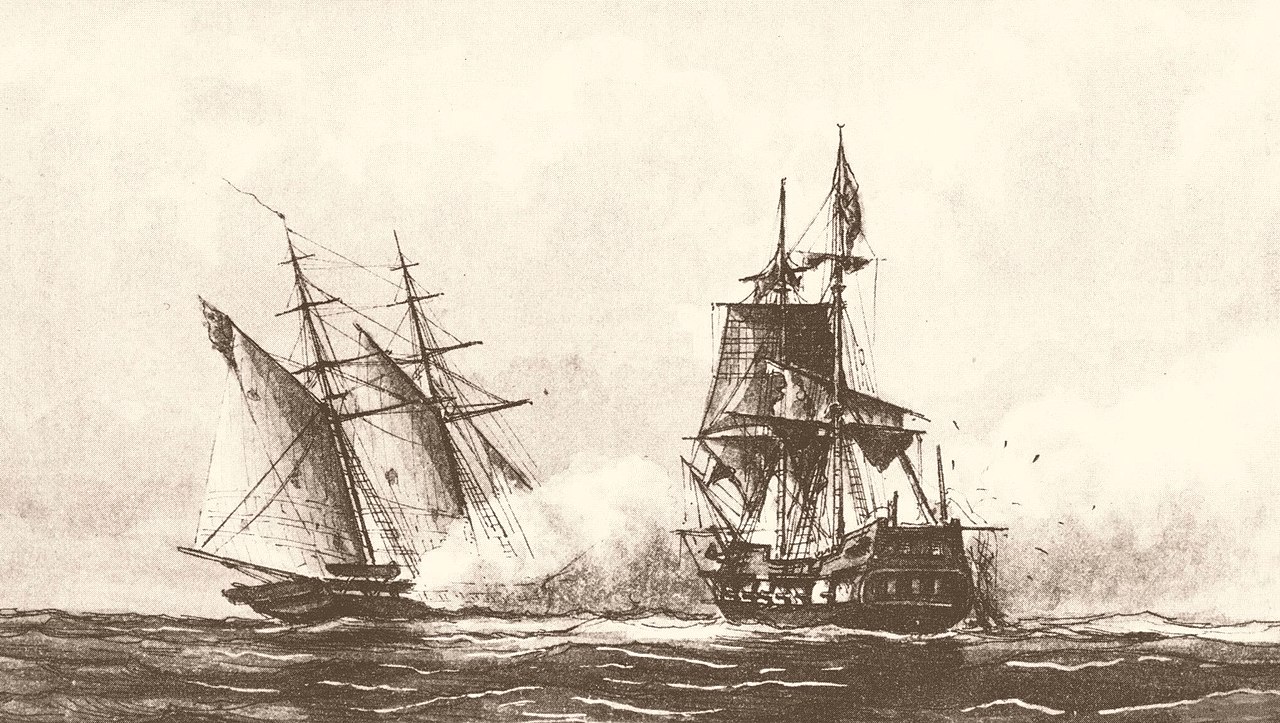
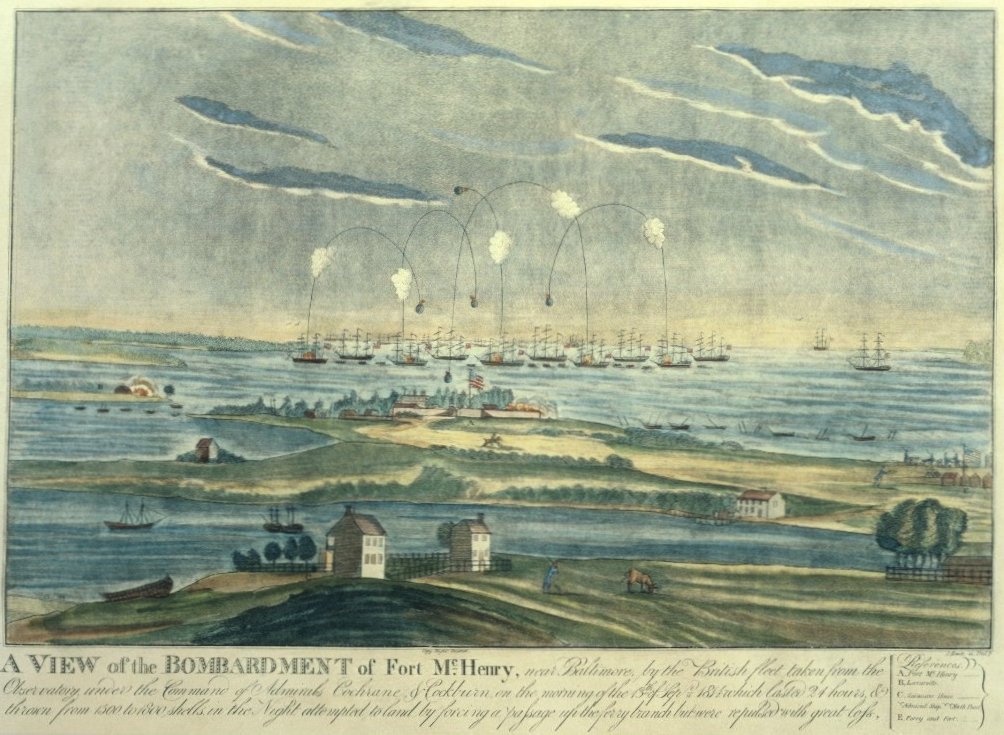
The war between the United States and Britain continued to see intense fighting in 1814. British forces captured and burned public buildings in Washington, D.C., in August. In September, the bombardment of Fort McHenry during the Battle of Baltimore inspired the American lawyer Francis Scott Key to write the poem that later became known as the "Star-Spangled Banner." Negotiations to end the war culminated in the signing of the Treaty of Ghent on December 24, 1814; because of slow communications, some military actions occurred after the treaty but before news reached combatants.
Culture, literature and science
- In literature, Tobias Smollett and others remained in the public eye, and significant novels of the period reached readers; in particular, the author Sir Walter Scott published Waverley anonymously in 1814, a work that proved influential in the development of the historical novel. Jane Austen's novel Mansfield Park also appeared in the same year.
- The wartime and postwar years did not halt scientific and technological progress: notable inventors and instrument makers were born in 1814, later to have an impact on industry and the arts.
Notable births
- Samuel Colt (born July 19, 1814) — American inventor and industrialist who developed the revolver design that bore his name.
- Adolphe Sax (born November 6, 1814) — Belgian instrument maker and inventor, best known for creating the saxophone.
Legacy
The events of 1814 set the stage for the post-Napoleonic order in Europe. Napoleon's exile and the diplomatic settlements at Vienna shaped political boundaries and regimes for the next generation. In Norway the assertion of a national constitution established a framework for later independence movements. In North America the Treaty of Ghent brought an end to the conflict with Britain and allowed both nations to focus on recovery and expansion.
Related articles
Author
AlegsaOnline.com 1814: End of Napoleon's Rule, Congress of Vienna, and Global Political Shifts Leandro Alegsa
URL: https://en.alegsaonline.com/art/111766