
Zhoukoudian (Choukoutien) — the Peking Man cave complex near Beijing
Zhoukoudian is a limestone cave system near Beijing known for Peking Man (Homo erectus) fossils and other Paleolithic finds; a key paleoanthropological and UNESCO World Heritage site.
Overview
Zhoukoudian, also written Choukoutien, is a complex of caves and rock shelters southwest of Beijing in China. Its Chinese name is shown as 周口店 and rendered in pinyin as Zhōukǒudiàn. The deposits at the site contain traces of repeated human and animal occupation during the Middle and Lower Paleolithic, spanning hundreds of thousands of years.
Image gallery
10 Images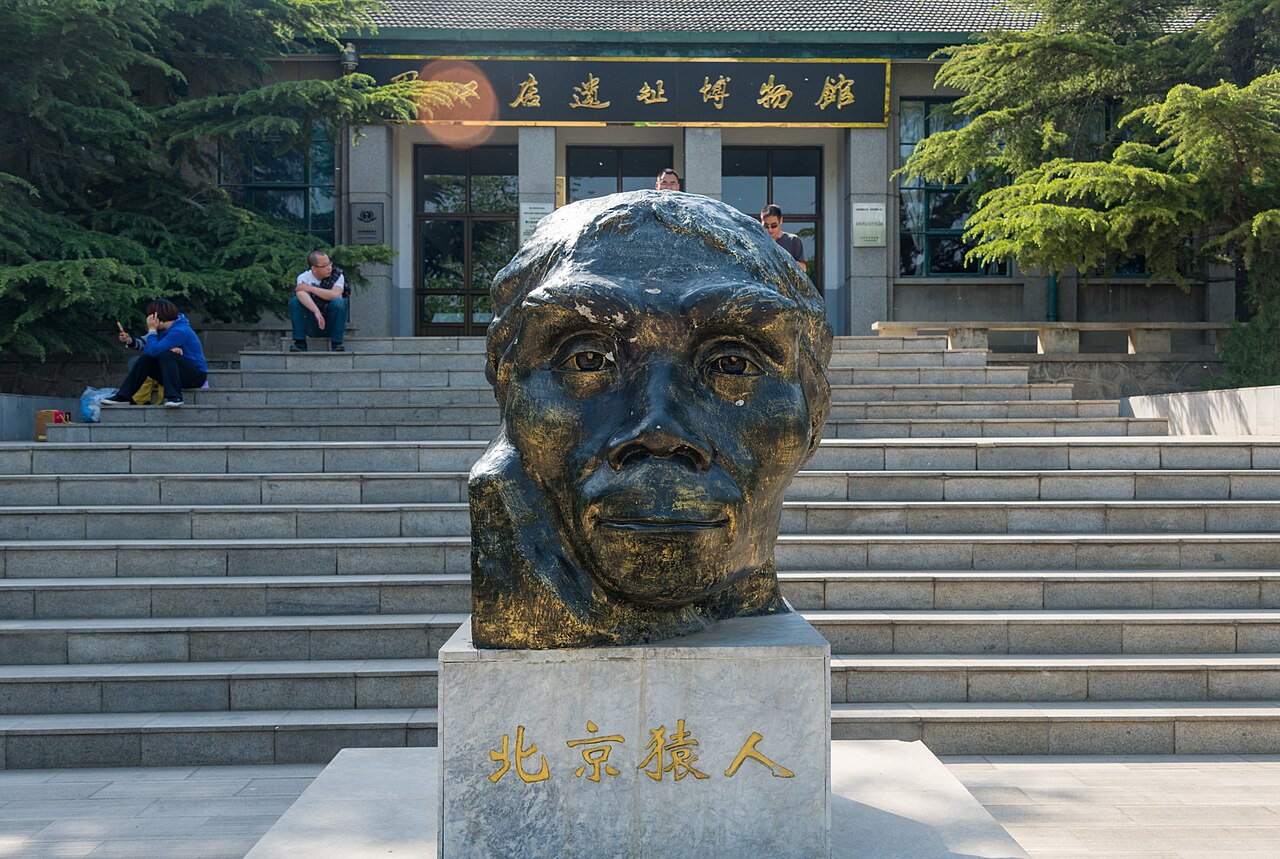



Geology and site layout
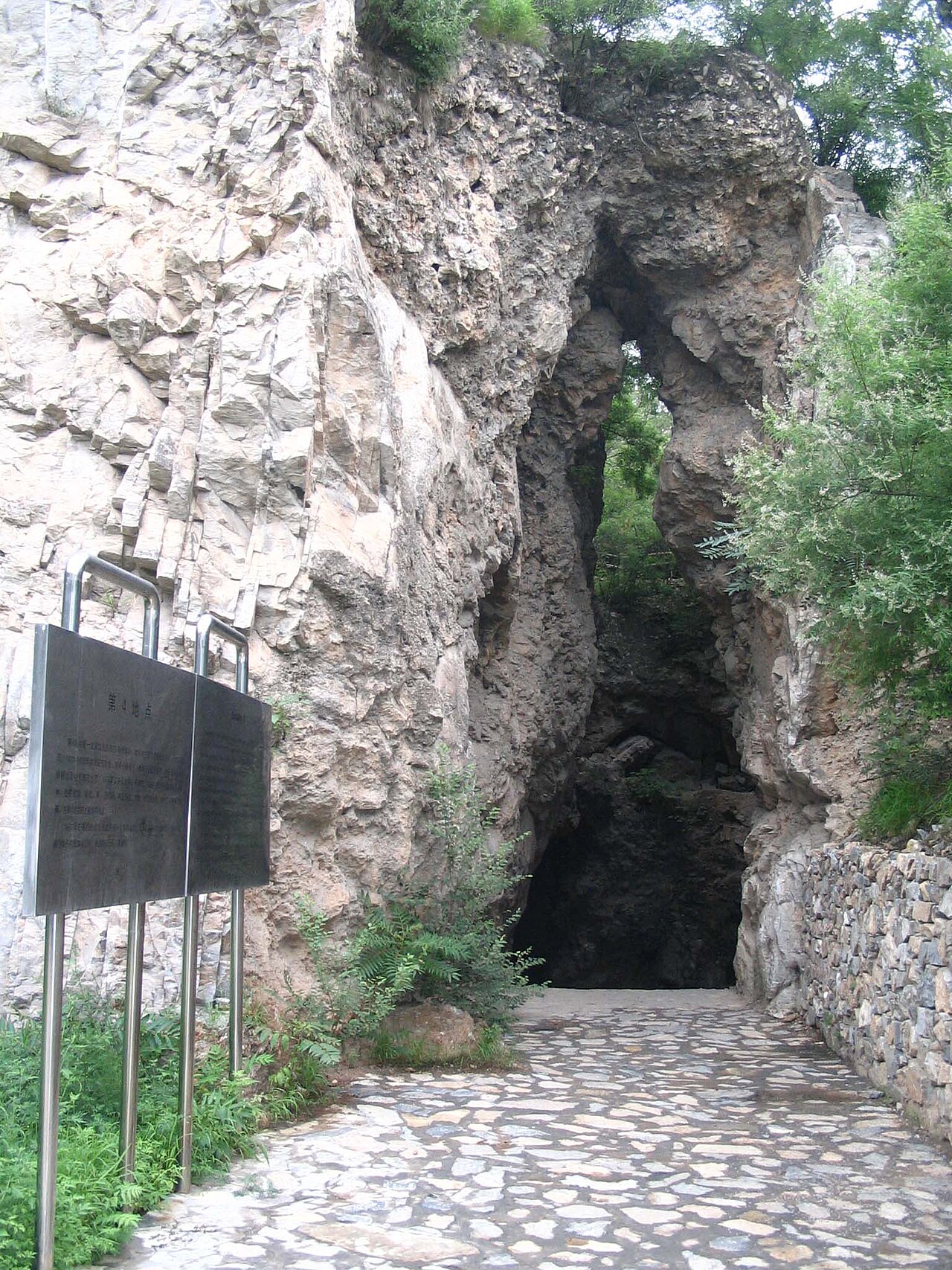
The site consists of a series of limestone caves formed by ancient karst processes. Archaeologists have excavated multiple stratified layers preserving stone tools, ash lenses, animal bones and hominin remains. The spatial relationships among layers have allowed researchers to reconstruct patterns of habitation, tool use and environmental change across long time spans.
Major finds
Zhoukoudian produced some of the most important paleoanthropological material discovered in East Asia. Notable discoveries include:
- Homo erectus fossils popularly known as Peking Man, including skull fragments and teeth.
- Stone tools and evidence of fire use, indicating habitual activity in cave interiors.
- Numerous faunal remains such as large hyena bones (Pachycrocuta brevirostris) and other mammals that illuminate past ecosystems.
History of discovery and research
The site was identified in the early 20th century and first excavated in the 1920s. Early fieldwork uncovered human teeth and later more extensive excavations recovered additional cranial fragments and artifacts. International and Chinese scholars collaborated on study and interpretation; early taxonomic names and classifications evolved as comparative collections and dating methods improved.
Significance and notable facts
Zhoukoudian has played a central role in debates about early human dispersal in East Asia and the behavioural capacities of prehistoric populations. The site is often cited in discussions of early fire use, tool-making traditions, and hominin adaptation to temperate climates. Portions of the fossil record reported from Zhoukoudian were lost during the mid-20th century upheavals, a widely referenced episode in the history of science.
Conservation, public access and legacy
Today Zhoukoudian is protected and interpreted for visitors as an archaeological park and research area. It was inscribed on the World Heritage List in recognition of its outstanding contribution to understanding human prehistory. Ongoing scientific study, improved dating techniques and careful conservation continue to refine the story that the site tells about ancient humans and their environment.
For further technical background and site reports see resources on regional archaeology and paleontology: cave system studies, broader surveys of archaeological discoveries, and syntheses of Homo erectus research.
Historical and popular references often use the older term Peking Man when discussing the human fossils from Zhoukoudian.
Related articles
Author
AlegsaOnline.com Zhoukoudian (Choukoutien) — the Peking Man cave complex near Beijing Leandro Alegsa
URL: https://en.alegsaonline.com/art/110569