
Carl R. Woese and the Discovery of Archaea: Pioneer of Molecular Phylogeny
Explore Carl R. Woese's role in founding molecular phylogeny and discovering Archaea, how his rRNA-based analyses reshaped the tree of life, and the legacy of his methods in modern microbial taxonomy.
Carl Richard Woese (July 15, 1928 – December 30, 2012) was an influential American scientist whose work bridged microbiology and biophysics. He is best known for using ribosomal RNA sequences to reshape how biologists view the tree of life; his career combined laboratory research, computational analysis, and theoretical interpretation of evolutionary relationships. Woese trained and worked as a microbiologist and a biophysicist, and his findings had a lasting impact on microbial taxonomy and evolutionary biology.
Image gallery
3 Images

Early life and career
Woese was born in 1928. After completing his education, he pursued research that applied physical and molecular approaches to biological questions. He spent much of his professional life at institutions where he could develop methods to compare genetic material across diverse organisms, laying the groundwork for molecular phylogenetics.
Major scientific contributions
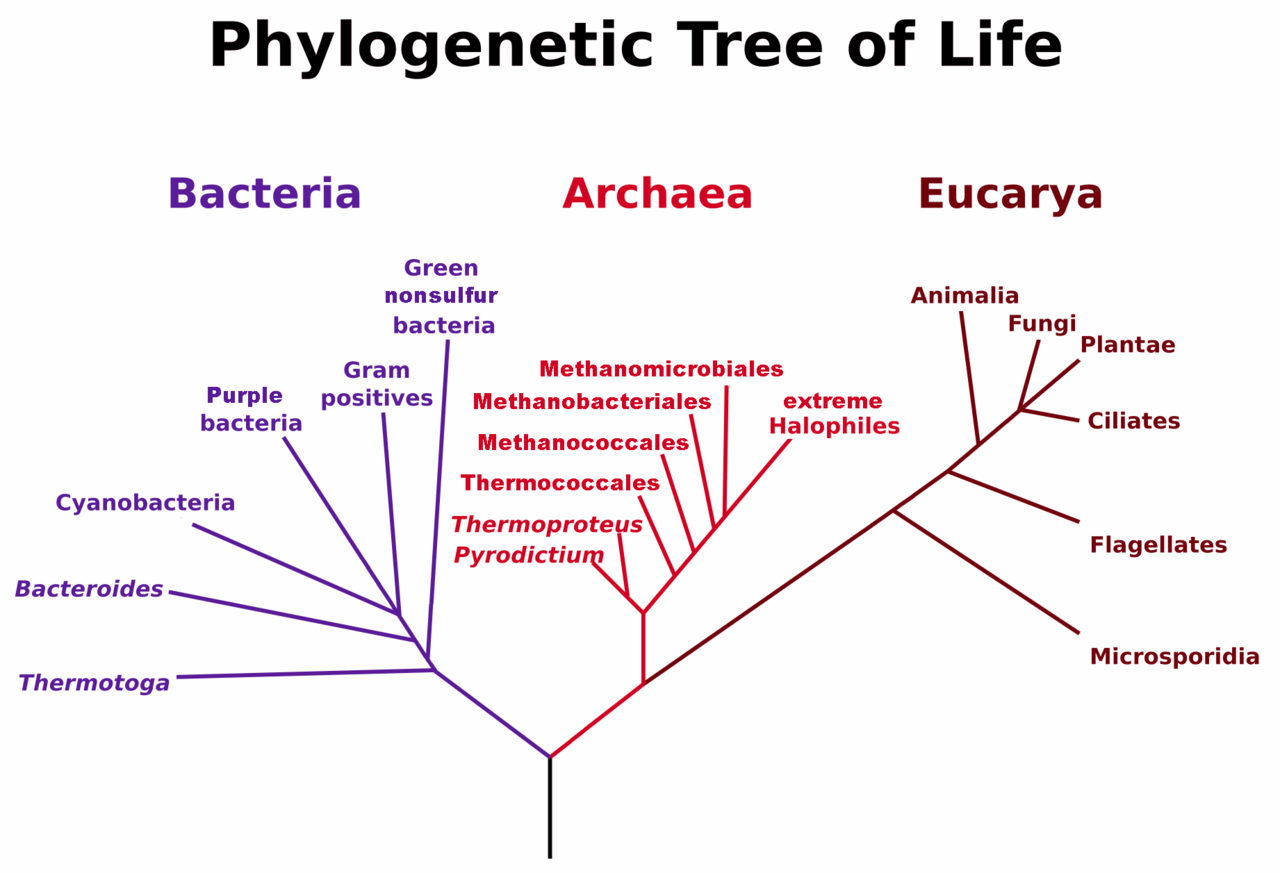
In the 1970s, Woese pioneered the comparison of small subunit ribosomal RNA (rRNA) sequences to infer evolutionary relationships among organisms. His analyses revealed that certain microscopic organisms, previously classified with bacteria, formed a separate and deeply distinct lineage. This group — now called the Archaea — represented one of the primary divisions of life, leading to the widely adopted three-domain model (Bacteria, Archaea, Eukarya).
Woese's approach emphasized molecular characters (especially 16S rRNA) as a robust basis for reconstructing evolutionary history. That methodological shift helped establish molecular sequence comparison as a central tool in systematics and microbial ecology.
Career, recognition, and influence
Over his career Woese received numerous honors for his contributions to biology, and his work prompted widespread re-evaluation of microbial classification and evolutionary theory. He supervised students, published extensively, and engaged in debates about the implications of molecular phylogeny for broader biological questions. His findings influenced many fields including genomics, environmental microbiology, and origin-of-life studies.
Death and legacy
Carl Woese died on December 30, 2012, at the age of 84. The classification systems, methods, and concepts he helped establish remain central to modern biology; researchers continue to build on his use of molecular data to understand life's history and diversity.
Related articles
Author
AlegsaOnline.com Carl R. Woese and the Discovery of Archaea: Pioneer of Molecular Phylogeny Leandro Alegsa
URL: https://en.alegsaonline.com/art/116011
Sources
- igb.illinois.edu : "Carl R. Woese: 1928 – 2012"
- loc.gov : Say How? A pronunciation guide to names of public figures
- pnas.org : "Towards a natural system of organisms: proposal for the domains Archaea, Bacteria, and Eucarya"
- doi.org : 10.1073/pnas.87.12.4576
- doi.org : 10.1007/BF01734485
- doi.org : 10.1073/pnas.74.11.5088