
List of Shipwrecks: Documented Sunken Vessels and Their Remains
Overview of documented shipwrecks: classification, discovery, study, preservation, legal and cultural issues, and notable examples of sunken vessels whose remains have been found.
Overview
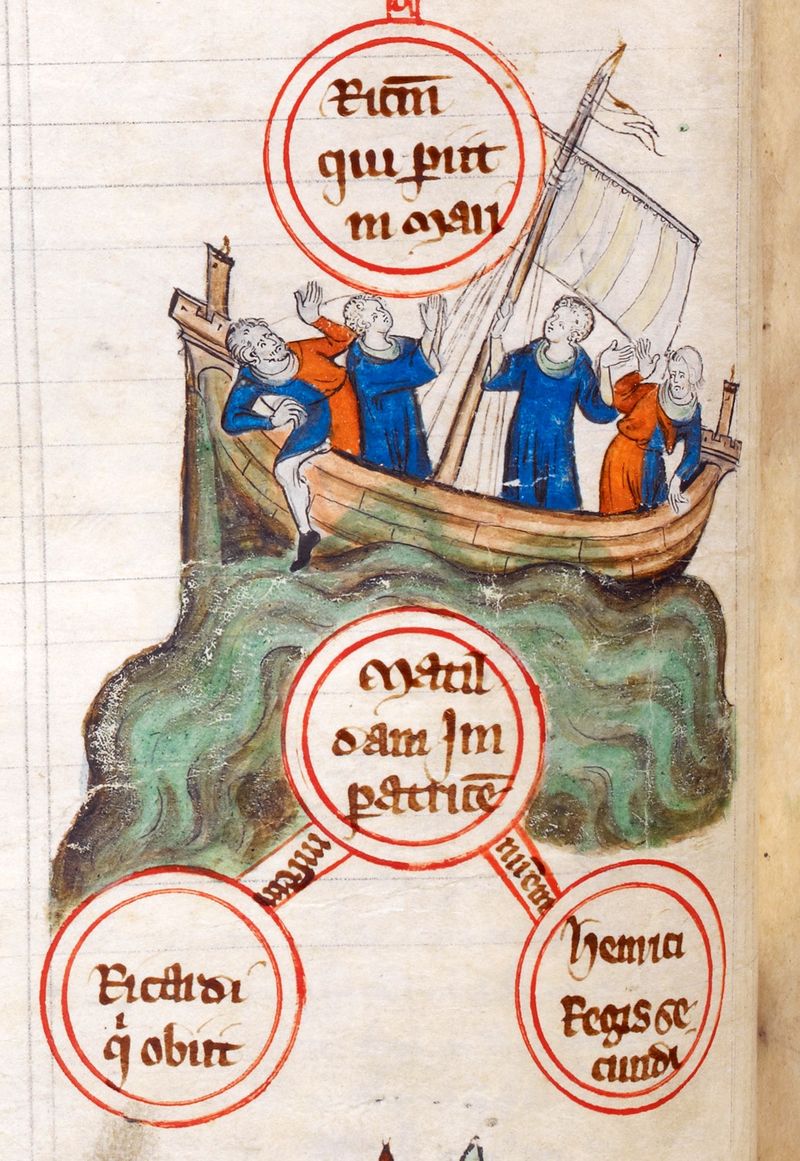
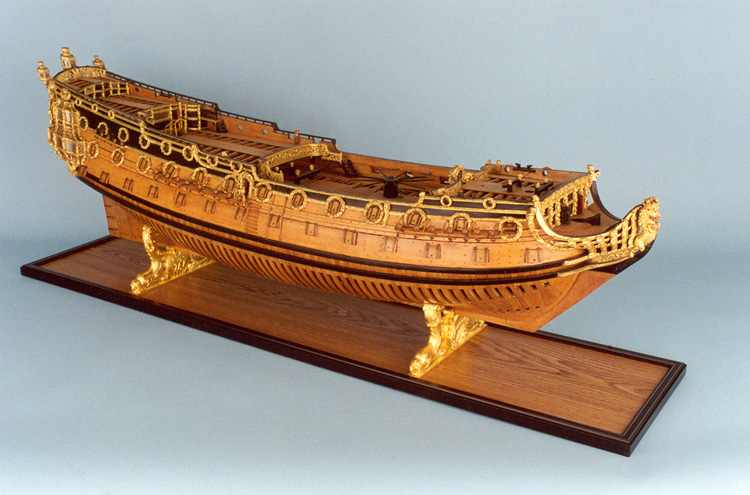
A list of shipwrecks gathers individual entries for vessels whose remains have been discovered on or beneath the seabed, in lakes, rivers, or other bodies of water. Such compilations record location, identity when known, cause of loss when established, and the condition of surviving structures or cargo. Researchers, divers, conservationists and the public use these lists to track discoveries and coordinate study or protection efforts. See a representative catalogue at related index and resources on sunken ships.
Image gallery
10 Images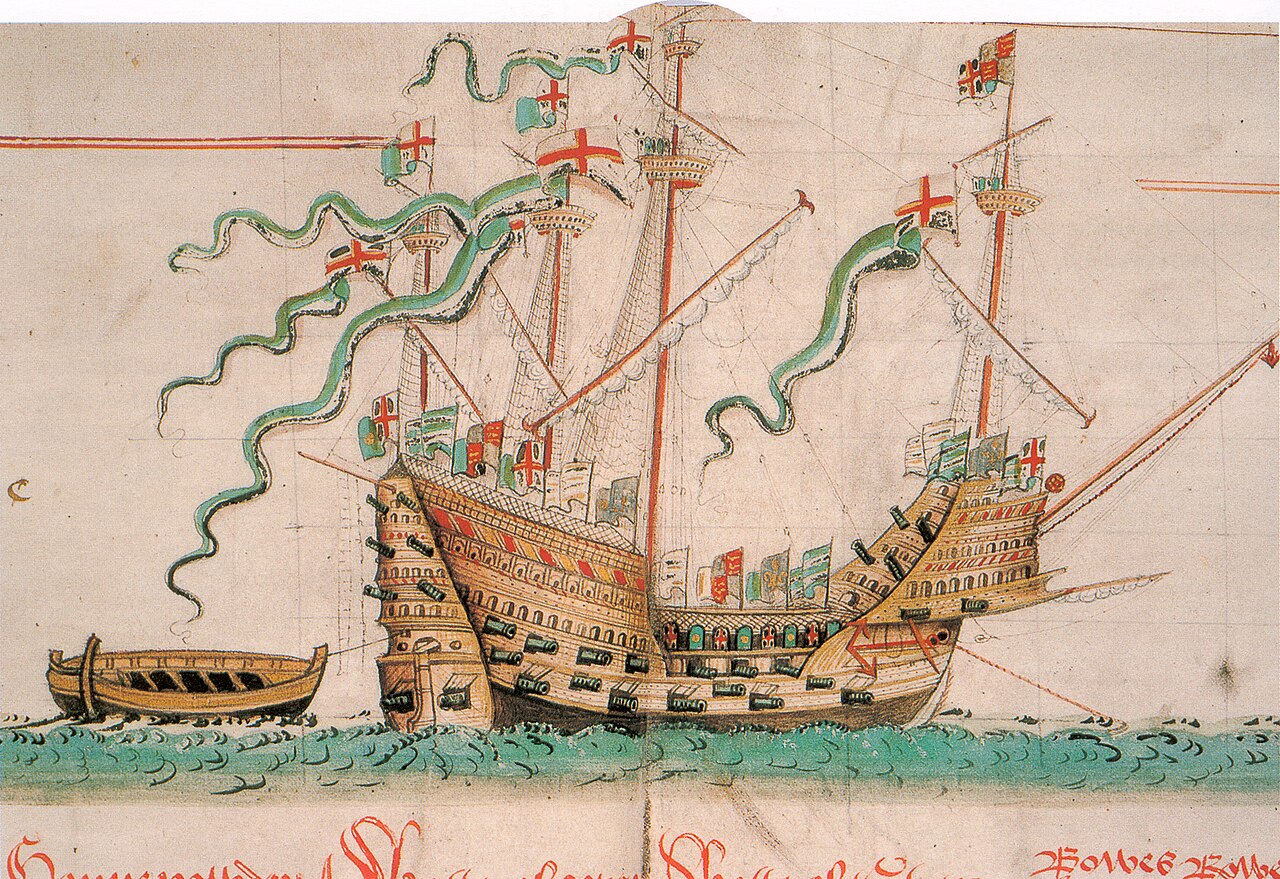


Classification and common causes
Shipwrecks are classified by age, function and context: ancient and prehistoric craft, medieval and early-modern wrecks, merchant and passenger vessels, naval vessels lost in combat, and modern craft lost to accidents. Common causes include:
- Severe weather and storms
- Navigation errors and groundings
- Structural failure or fire
- Warfare and collisions
- Deliberate scuttling or abandonment
Discovery, recording and study
Locating wrecks now often involves remote sensing, such as side-scan sonar, magnetometers and sub-bottom profilers, followed by visual confirmation with divers or remotely operated vehicles. Maritime archaeologists document hull remains, cargo, and associated artifacts using standardized recording methods. Conservation is essential: many recovered objects require desalination and stabilization to prevent rapid deterioration.
Legal, ethical and cultural considerations
Shipwrecks raise questions of ownership, heritage protection and human dignity. Some sites are protected under national laws or international agreements as archaeological sites or war graves. Salvage rights can conflict with scholarly preservation; ethical practice favors minimal disturbance when a wreck is historically significant or contains human remains. Popular interest also makes many wrecks diving destinations, which requires management to prevent looting and accidental damage.
Notable examples and outcomes
Well-known wrecks illustrate the range of outcomes: some remain undisturbed and studied in situ, others have been partially or fully raised for conservation and display. Famous cases have stimulated advances in underwater archaeology, public museums and legal frameworks for maritime heritage. Compilations of shipwrecks help map maritime history, guide protection priorities and support ongoing research into past trade, technology and seafaring lives.
Resources and further reading
Lists and databases vary by region and focus; many are maintained by heritage agencies, museums and research institutions. For an entry point to compiled records and summaries, consult the linked indexes above and specialized literature on underwater archaeology and maritime law.
Related articles
Author
AlegsaOnline.com List of Shipwrecks: Documented Sunken Vessels and Their Remains Leandro Alegsa
URL: https://en.alegsaonline.com/art/125142