
Yushan (Jade Mountain) — Taiwan's Highest Peak
Yushan (Yù Shān; 玉山), also called Mount Jade, is Taiwan's tallest mountain at 3,952 m. A granite massif in Yushan National Park, it is noted for its alpine ecosystems, cultural importance and hiking routes.
Yushan (玉山, pinyin: Yù Shān)—often called Mount Jade or Mount Yu—is the highest peak in Taiwan, rising to approximately 3,952 metres above sea level. Located in the central mountainous spine of the island, Yushan forms the central high point of the Yushan Range and is within the boundaries of Yushan National Park. Snow and rime in colder months can give the summit a pale, polished appearance that inspired the English name "Jade Mountain".
Image gallery
10 Images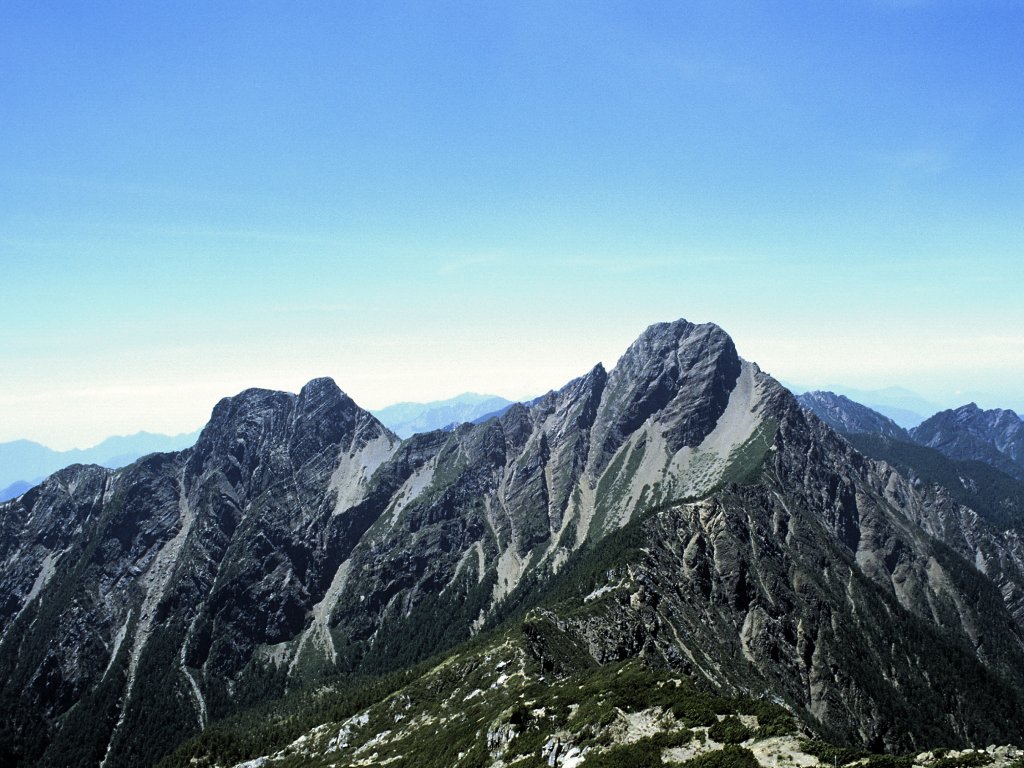


Geography and geology
Yushan is a rugged, high-elevation massif shaped by the collision and uplift of tectonic plates that created Taiwan's steep relief. The mountain is characterised by granite outcrops, sharp ridgelines and deep valleys. Elevation and slope variation produce clear vertical zonation, with warm-temperate and broadleaf forests at lower elevations, coniferous woodlands and dwarf shrubs higher up, and bare rock and alpine vegetation near the summit. The massif contributes to regional water catchments and plays a role in local climate patterns.
Climate and seasonal conditions
The climate on Yushan varies sharply with altitude. Lower elevations experience subtropical conditions with humid summers and a rainy season influenced by monsoon weather. Higher elevations are cooler and can receive snowfall during winter; late autumn to early spring may bring frost, ice and hazardous trail conditions. Fog and sudden weather changes are common; participants in mountain activities must be prepared for rapid shifts in visibility and temperature.
Flora, fauna and ecosystems
Yushan supports a rich sequence of plant communities along its slopes. Montane broadleaf forests give way to mixed conifer stands and alpine meadows, hosting many native and endemic species adapted to Taiwan's island environment. Notable wildlife includes the Formosan black bear and other mammals, diverse birdlife and specialized alpine herbs and shrubs. The variety of habitats within a relatively compact elevation range makes the area important for conservation and scientific study.
History, names and cultural importance
The mountain has long been significant to the indigenous peoples of Taiwan, who regarded high peaks and ranges as important places in their cosmologies and seasonal lives. In the 19th century Western maps and accounts sometimes used the name Mount Morrison; that historical name is associated with missionary figures such as Robert Morrison in period narratives, though the widely accepted local name remains Yushan. Today the peak appears in Taiwanese culture, literature and national symbols and is a focal point for nature conservation.
Protection and land management
Yushan and adjoining ranges lie within a protected national park established to conserve biodiversity, watersheds and undeveloped natural landscapes. Park management balances conservation with regulated public access, using zoning, visitor facilities and permits to reduce human impact. Trails, designated campsites and mountain huts limit proliferation of informal camping and concentrate visitor use where oversight is feasible.
Recreation, routes and safety
The mountain is a popular destination for hikers and mountaineers. Established trails lead to the Yushan Main Peak and several subsidiary summits; many routes are supported by staffed or unstaffed mountain huts and require advance permits for overnight stays. Seasonal hazards include heavy summer rains and typhoon-related conditions, and icy, snowy approaches in winter that require appropriate clothing, footwear and experience. Climbers are advised to plan for altitude, follow park regulations and check local advisories before an ascent.
Notable facts
- Highest point in Taiwan at about 3,952 metres, and a major landmark of the island.
- Part of the Yushan Range and protected within a national park that preserves extensive undeveloped landscapes.
- Renowned for its snow-capped summit in colder months, which can resemble polished jade.
- Supports diverse elevational ecosystems important for endemic species and scientific research.
For authoritative and up-to-date information on permits, trail conditions and conservation rules consult official park sources and experienced local guides. Basic language and name entries (Chinese characters and pinyin) are given above (Chinese, pinyin), and further context on park administration and visitor planning can be found through the national park authority and tourism resources (Yushan National Park, seasonal information). Historical references to earlier Western names appear in discussions of 19th-century exploration and missionary activity (Mount Morrison).
Related articles
Author
AlegsaOnline.com Yushan (Jade Mountain) — Taiwan's Highest Peak Leandro Alegsa
URL: https://en.alegsaonline.com/art/110255
Sources
- openlibrary.org : 25302448M