
Yoruba religion: beliefs, practices, and diaspora traditions
Traditional spiritual system of the Yoruba people of West Africa, centered on a pantheon of deities (Orishas), ancestor veneration, Ifá divination and widespread diasporic forms such as Santería and Candomblé.
The Yoruba religion is the indigenous spiritual tradition of the Yoruba people of West Africa, historically concentrated in what is now Nigeria and parts of neighboring countries. It is a broad, living system of belief rather than a single, codified creed. Central concepts include a high creator deity often referred to as Olodumare or Olórun, a rich pantheon of named spirits or deities called Orishas, and the active principle known as ashe — a force that empowers words, actions, and sacred objects. Veneration of ancestors and respect for natural sites are also essential features.
Image gallery
10 Images
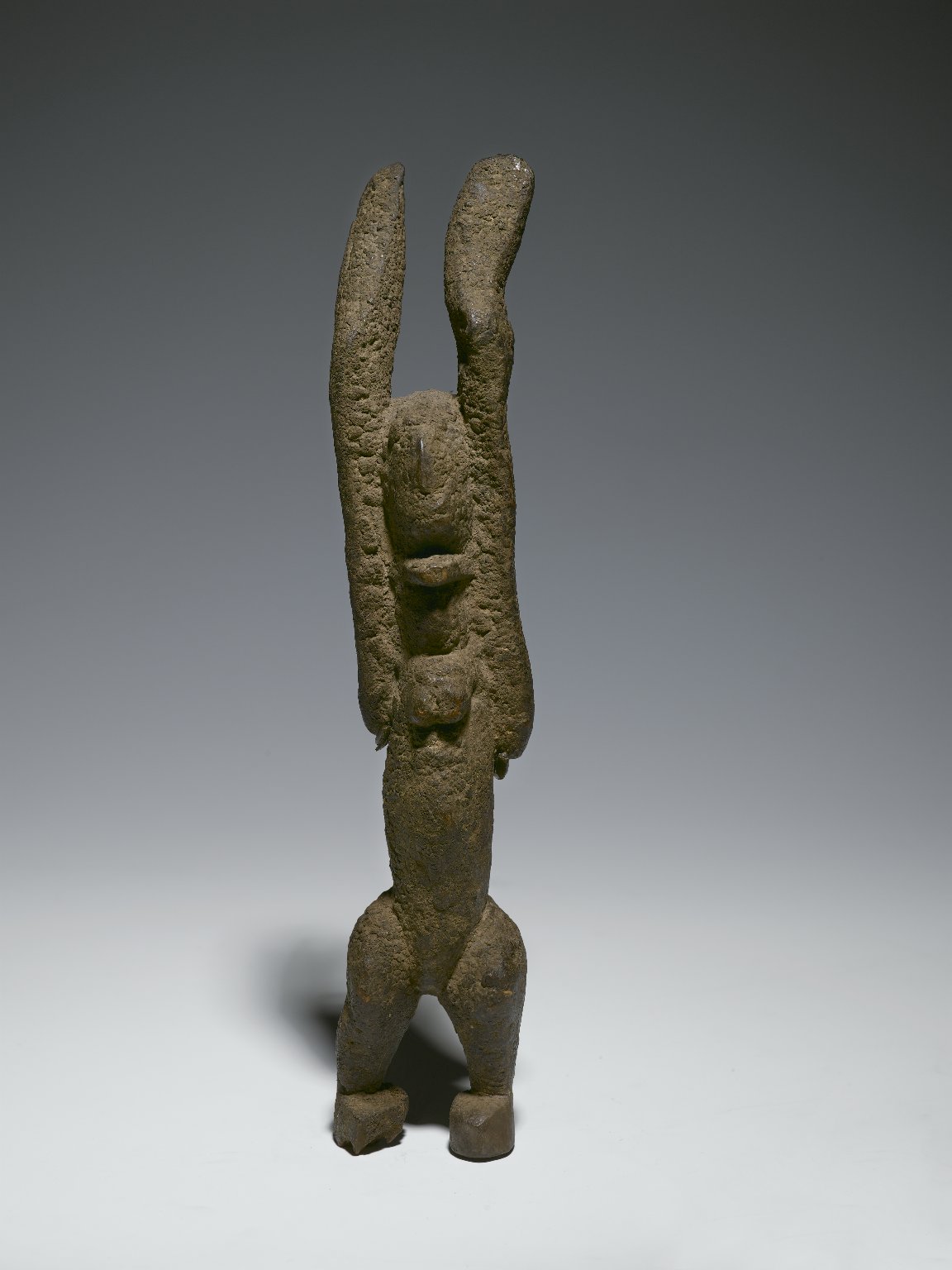


Core beliefs and religious structure
Yoruba religion organizes the sacred around relationships: between humans and Orishas, living people and ancestors, and the human community and the natural world. Orishas govern specific aspects of life and the environment — for example, communication and crossroads, iron and craft, rivers and fertility, or thunder and leadership. Ritual specialists, including diviners, priests and priestesses such as babalawo and iyalawo, maintain shrines, perform ceremonies, and interpret will and destiny through divination systems.
- Ifá divination: a complex oral corpus and method used to counsel individuals and communities about choices, illness, and fate.
- Orishas: semi-autonomous beings with personalities, myths, symbols and offerings associated with them.
- Ashe: the enduring spiritual power that permeates speech, ritual objects, music and life events.
- Ancestor veneration: ongoing relationships with forebears who continue to influence the living.
Rituals, arts and daily practice
Ritual life is often communal and sensory: drumming, singing, dance, masks, and sacrificial offerings mark festivals, naming ceremonies, weddings, funerals and healing rites. Shrines and household altars house images, cloths, metalwork and food offerings appropriate to particular Orishas. Initiation into the cult of an Orisha can be an elaborate, multi-stage process involving instruction, cleansing, and exchange of ritual paraphernalia; specialists train new initiates in hymns, taboos and liturgies.
History and global dispersal
The religion developed over centuries among Yoruba city-states and rural societies. With the trans-Atlantic slave trade, core beliefs and ritual forms were carried by enslaved Yoruba people to the Americas. In the New World they adapted to new conditions and mixed with Catholic and Indigenous elements, producing syncretic traditions known variously as Regla de Ocha or Santería in Cuba, Candomblé in Brazil, and related practices throughout the Caribbean and the United States. These diasporic forms preserve core Yoruba ideas while reflecting local histories and languages.
Modern status and distinctions
In contemporary West Africa the Yoruba religion exists alongside and often intermingles with Christianity and Islam; many people identify with more than one tradition in daily life. In diaspora contexts the religion has become both a marker of identity and a public religious presence, visible in music, literature, visual arts and scholarship. It is important to distinguish between indigenous Yoruba practice as it continues in Africa and syncretic Afro‑American traditions: the latter are creative adaptations shaped by historical circumstance, whereas the former retains many ancestral liturgies, oral texts and priestly lineages.
Resources and notable features
Yoruba religious culture is exceptionally rich in oral literature, ritual song, and symbolic arts. Ifá verses and Orisha myths function as moral teaching, medical knowledge and historical memory. For further general introductions and scholarly overviews see materials on indigenous traditional religion, studies of the Yoruba people, and comparative work on Afro‑Atlantic religions. The transmission of these traditions continues through family practice, initiatory houses, festivals and academic study, making the Yoruba religious world both ancient and dynamically present.
Additional cultural threads include the role of metalwork and blacksmithing in the figure of Ogun, the importance of river deities like Yemoja, and the continuing performance of public ceremonies that reinforce community ties and moral obligations. Awareness of these practices contributes to broader appreciation of West African and diasporic religious landscapes.
Related articles
Author
AlegsaOnline.com Yoruba religion: beliefs, practices, and diaspora traditions Leandro Alegsa
URL: https://en.alegsaonline.com/art/109972