
Zhangzhung: the pre-Tibetan kingdom and its Bon cultural legacy
Zhangzhung was an ancient polity in western Tibet and adjacent regions, associated with the Bon religion and a cultural substratum that influenced early Tibetan history and religion.
Overview
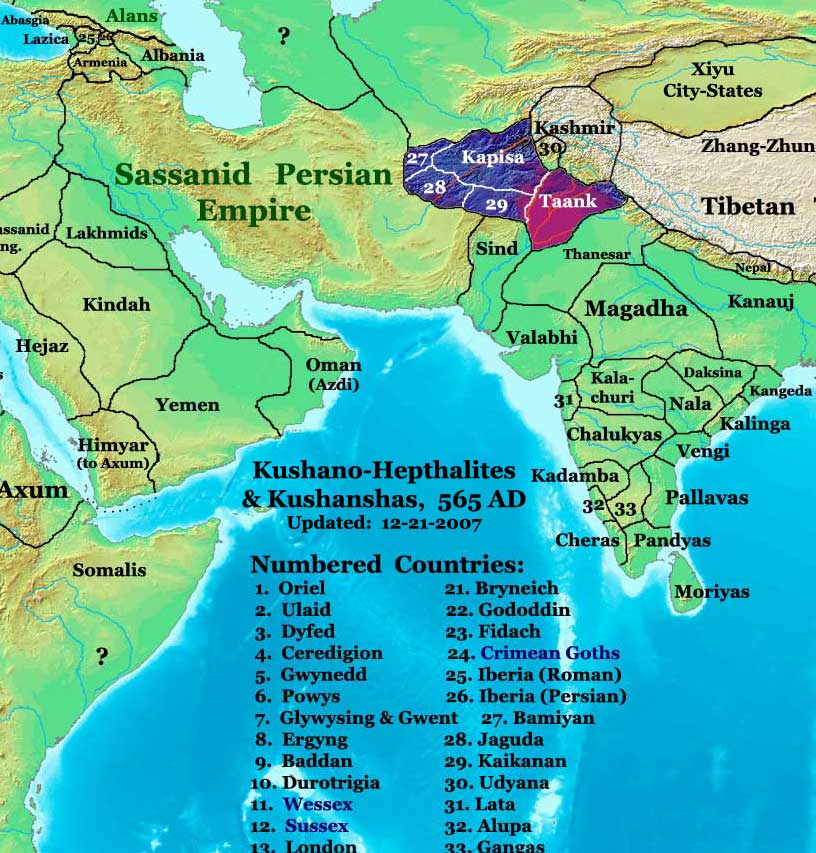
Zhangzhung (Tibetan names recorded as Xangxang and pronounced Shangshung) was an ancient polity that existed in the highlands of what is now western Tibet and neighboring areas before the rise of the Tibetan Empire. Chinese records and later Tibetan chronicles refer to the people and territory under names rendered in different languages (see Chinese forms). Zhangzhung is often described in Tibetan sources as a distinct cultural and political entity that preceded and interacted with the early Tibetan kingdoms.
Image gallery
6 Images



Geography and society
The core territory of Zhangzhung is generally associated with the western Tibetan plateau, with influence extending into parts of the Himalaya and trans-Himalayan zones. Archaeological and textual evidence suggest a society adapted to high-altitude pastoralism, trade across mountain passes, and complex ritual life. Material traces and place names indicate settlement patterns and ritual centers scattered across the region known in later times as Ngari and adjacent districts.
Religion and cultural characteristics
Zhangzhung is most widely remembered as the homeland of the Bon tradition. Bon is a religious complex with ritual, cosmological and shamanic elements that developed locally and later interwove with Tibetan Buddhism. Bonpo traditions preserve narratives, rituals, and a corpus of teachings that they trace back to Zhangzhung. The mutual influence between Bon and Tibetan Buddhist practices shaped liturgy, iconography and ideas about ritual authority in the region (influence on Tibetan Buddhism).
History and development
Tibetan chronicles relate that Zhangzhung existed as an independent realm before Tibet’s imperial expansion. According to these accounts, the area and its elites were incorporated into the growing Tibetan state during the 7th–8th centuries CE, a period of political consolidation on the plateau. Scholarly reconstructions rely on a mix of local histories, later Tibetan biographies, and non-Tibetan sources to trace how Zhangzhung’s institutions and religious specialists were integrated into broader Tibetan polities (historical context).
Evidence, scholarship and modern legacy
Knowledge about Zhangzhung comes from several kinds of sources: Tibetan manuscripts and Bon texts preserved by Bonpo communities, a scattering of archaeological finds, and references in Chinese and other regional records. Linguistic materials attributed to Zhangzhung remain fragmentary and debated among scholars; some inscriptions and manuscripts have been proposed as having ties to a distinct Zhangzhung language. Modern research treats many aspects—territorial extent, political organization, and chronological detail—as open questions requiring careful comparison of texts, material culture, and oral traditions (Tibetan sources, regional records).
Significance and notable facts
- Zhangzhung is important for understanding pre-imperial cultural landscapes of the Tibetan plateau and the formation of Bon traditions.
- It provides a case of how religious traditions can both predate and be transformed by later state formations.
- Current scholarship emphasizes interdisciplinary approaches—textual, archaeological, and linguistic—to clarify Zhangzhung’s place in Himalayan history.
For readers seeking introductory materials and source collections, consult works that compile Tibetan chronicles and Bonpo writings and interdisciplinary surveys of the Tibetan plateau (Tibetan names, Chinese forms, historical summaries, manuscript studies, regional surveys, religious studies).
Questions and answers
Q: What is Zhangzhung?
A: Zhangzhung is a kingdom of western China (Tibet) and northern India before the 7th century.
Q: What is the religion of Zhangzhung?
A: The religion of Zhangzhung is Bon.
Q: What are the people of Zhangzhung called?
A: The people of Zhangzhung are sometimes called Bonpo.
Q: What is the influence of the Bon religion?
A: The Bon religion influenced Tibet and Tibetan Buddhism.
Q: In what Tibetan texts are the Zhangzhung mentioned frequently?
A: The Zhangzhung are mentioned frequently in Tibetan texts as the original rulers of central and western Tibet.
Q: What are we still trying to learn about Zhangzhung?
A: We are still trying to learn more about Zhangzhung.
Q: How is Zhangzhung pronounced in Chinese?
A: Zhangzhung is pronounced Shangshung in Chinese.
Related articles
Author
AlegsaOnline.com Zhangzhung: the pre-Tibetan kingdom and its Bon cultural legacy Leandro Alegsa
URL: https://en.alegsaonline.com/art/110546
Sources
- books.google.com : Discoveries in Western Tibet and the Western Himalayas: Essays on History, Literature, Archaeology and Art
- tibetarchaeology.com : "KM-III EXPLORATION REPORT: A Reconnaissance Mission to Locate the Sri Ashtapad Temple"
- ethnologue.com : Ethnologue 14 report for language code:JNA
- ligmincha.org : ligmincha.org/bon/founder.html