
Zaidiyyah (Zaidi Islam): history, beliefs and contemporary presence
Zaidiyyah is a branch of Shia Islam followed mainly in Yemen. It traces its authority to Zaid ibn Ali and differs doctrinally and legally from Twelver and Isma'ili Shia schools.
Overview
The Zaidiyyah, often called Zaidi Islam, are a branch of Shia Islam that developed in the early centuries of the Muslim community. Their Arabic name is sometimes rendered in different transliterations; see the Arabic designation. Zaidi identity centers on allegiance to a line of leaders descended from the Prophet Muhammad through his grandson Husayn, with a special emphasis on the figure of Zaid ibn Ali—regarded by Zaidis as a pivotal imam figure.
Image gallery
2 Images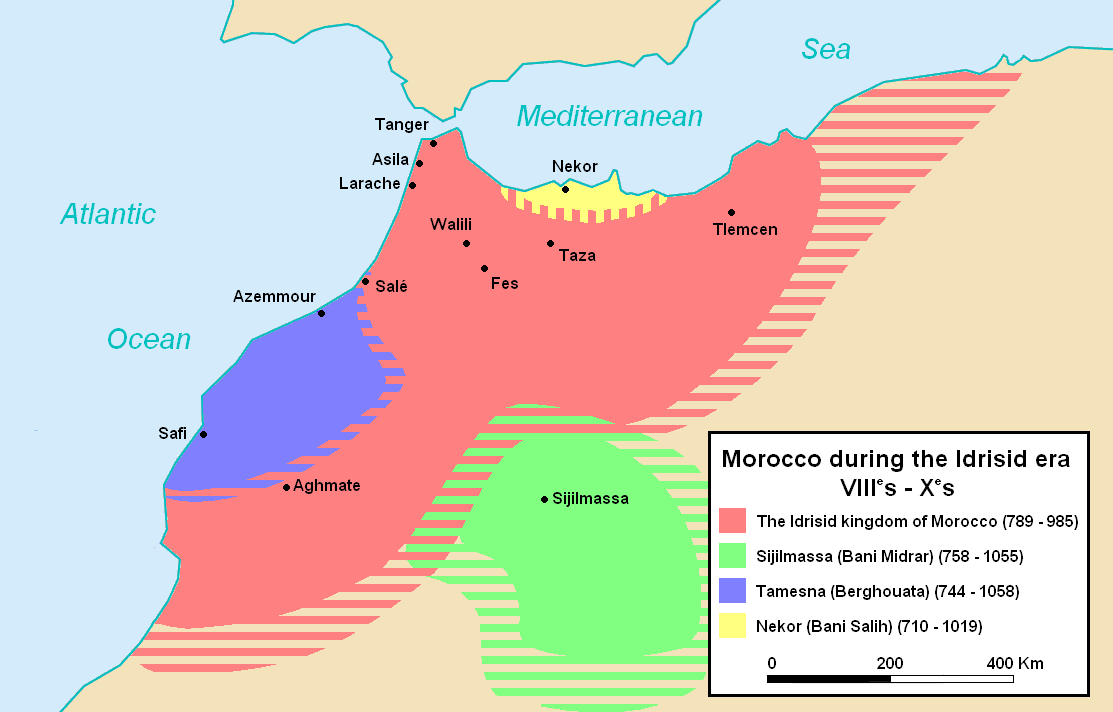

Core beliefs and leadership
Compared with other Shia groups, Zaidis hold distinctive views about the nature and role of the imam. They emphasize the imam's active leadership: an imam must be a qualified, courageous descendant of Hasan or Husayn who asserts his claim and leads by example. Zaidis generally do not endorse the doctrine of infallible or divinely appointed imams in the same manner as Twelver Shia, and they do not accept the concept of a hidden or occulted imam.
Law, theology and practice
Zaidi jurisprudence and ritual practice share many points with Sunni legal schools; historically some Zaidi scholars adopted methods of legal reasoning close to those of the major Sunni madhhabs. Theologically, Zaidism has at times shown affinities with early rationalist currents in Islam, though practice remains broadly within mainstream Sunni–Shia liturgical patterns. Daily worship, fasts and pilgrimage are observed, with particular devotional customs and legal rulings that differ in detail from both Twelver and Isma'ili practices.
History and political role
The movement took shape after the revolt of Zaid ibn Ali in the 8th century CE and later established imamate institutions in parts of the Islamic world. Zaydi imams governed regions of northern Yemen from the medieval period until the 20th century, creating a distinctive political-religious tradition often called the Zaydi Imamate. Zaidi communities have therefore combined religious doctrine with sustained political influence in their heartlands.
Distribution and modern significance
Today Zaidis are concentrated in Yemen, especially in the northern highlands, and form a significant portion of the population; scholarly and demographic sources describe a substantial community there in Yemen. Smaller Zaidi communities exist in parts of the Arabian Peninsula and diasporas beyond. Some contemporary Yemeni political movements trace their roots to Zaidi traditions, and several national leaders have been drawn from Zaidi backgrounds across the country's history.
Distinctive features and relationships
- Succession: Zaidis accept Zaid ibn Ali as a key imam and differ from Twelver succession narratives; see contrasts with other Shia.
- Legal affinity: Many Zaidi legal positions resemble Sunni schools, a factor that shaped historical relations with neighboring Muslim communities.
- Community leadership: Zaidism historically combined religious authority with temporal rule, producing a distinctive imamate tradition discussed in specialized studies of Shia sects.
For readers seeking primary or scholarly sources, follow the linked placeholders above to consult detailed treatments and background materials on Zaidi history, doctrine and contemporary developments.
Related articles
Author
AlegsaOnline.com Zaidiyyah (Zaidi Islam): history, beliefs and contemporary presence Leandro Alegsa
URL: https://en.alegsaonline.com/art/110344