
Zombie: origins, traits, cultural meanings and modern portrayals
A zombie is a reanimated corpse or 'undead' figure from folklore and fiction. This article explains origins, common traits, cultural significance, media portrayals, and how zombies differ from similar creatures.
A zombie typically refers to a being that was once dead and is now portrayed as walking or animated without normal life functions. In folklore and fiction the term is often applied to corpses or altered humans that lack full consciousness and act under instinct or external control. The broader category for such beings is the 'undead' or the 'living dead'.
Image gallery
10 Images

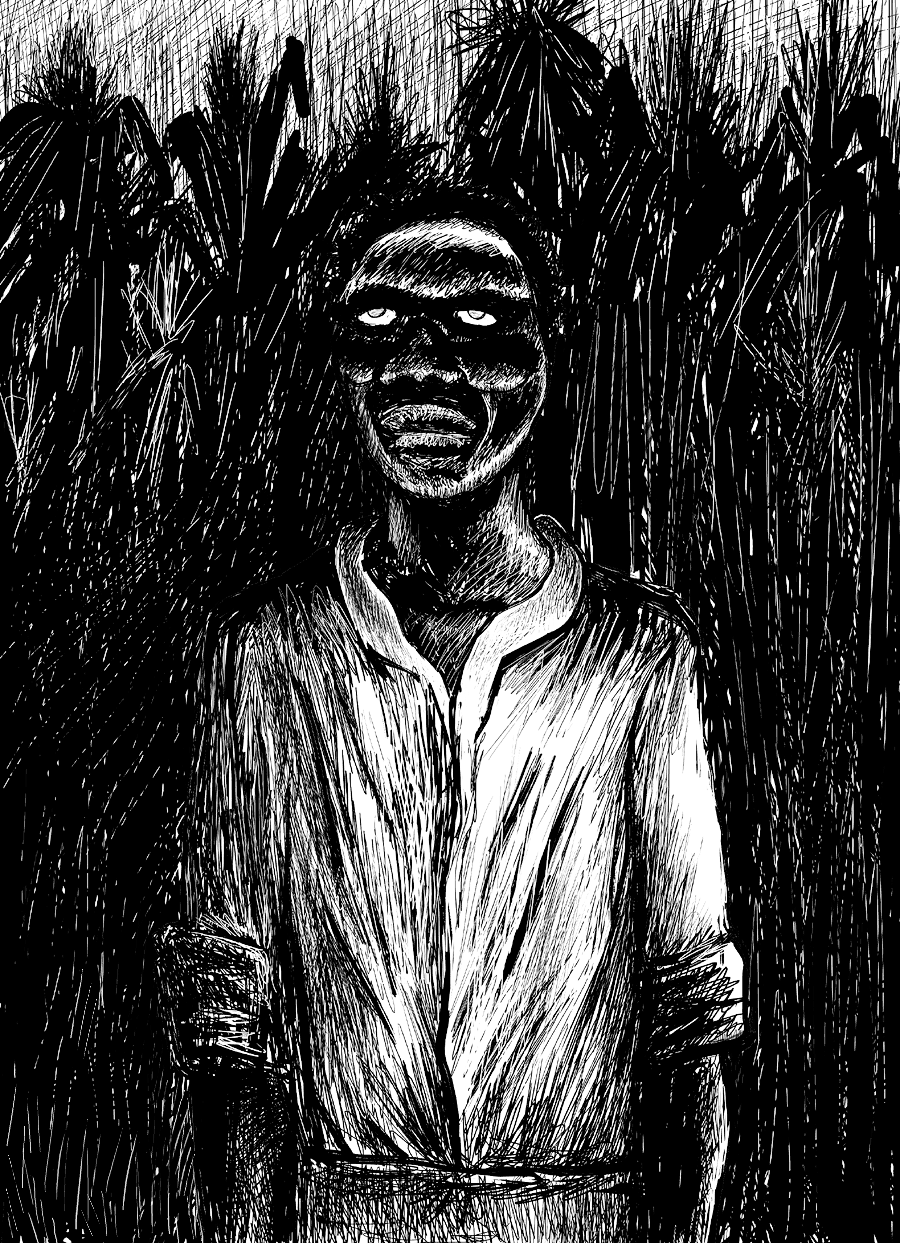


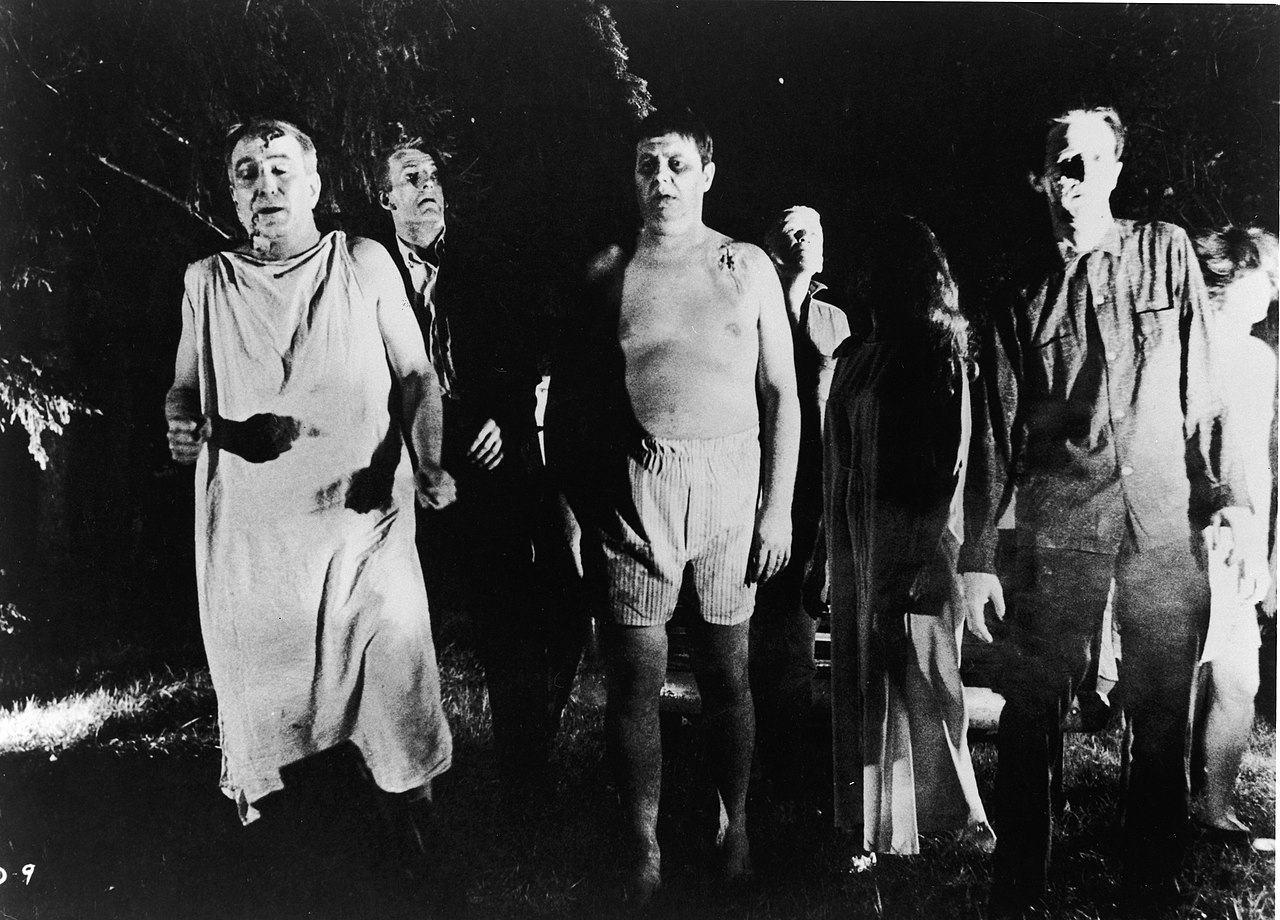


Origins and historical background
The idea of the reanimated dead appears in many cultures, but the word 'zombie' and much of the modern popular concept trace key influences to the Caribbean and West African diasporic traditions. In Haitian folklore, for example, stories about people reduced to servile, animated states and about ritual specialists who control them contributed to early descriptions later encountered by Western writers and travelers. These older traditions mixed with industrial-era anxieties and were reshaped by literature and film into the forms widely known today. For more regional background see Caribbean-centered accounts.
Common characteristics
- Appearance: often depicted as decayed, pale, or physically damaged bodies.
- Behavior: reduced cognition, limited speech, repetitive or predatory actions.
- Cause in fiction: varies — magic or sorcery in folklore, and infection, virus, or radiation in modern stories.
- Contagion: many contemporary tales use contagion to explain rapid spread and create dramatic stakes.
- Variation: portrayals range from slow, shambling undead to fast, aggressive predators.
These traits are narrative tools rather than consistent biological claims; different authors, filmmakers, and game designers adapt them to suit tone and theme.
Cultural role and modern portrayals
Zombies have become a durable symbol in global popular culture. They appear in films, television, novels, comics, and video games and are used to explore fears such as epidemic disease, social collapse, loss of autonomy, or mass consumerism. Classic films and subsequent franchises transformed local folklore into mass entertainment and helped codify many genre conventions. The 'zombie apocalypse' scenario is a recurrent plot device that tests characters' resourcefulness and moral choices under societal breakdown.
Beyond entertainment, zombie imagery appears in satire, political commentary, and public events like themed walks or charity drives. At the same time, some communities and scholars caution about oversimplified or disrespectful representations of the folklore origins, especially where real cultural practices are involved.
Distinctions and related beings
It is useful to distinguish zombies from related mythic creatures: vampires are generally undead that sustain themselves on blood and often retain intelligence and social traits; revenants return specifically to seek vengeance; ghouls are graveyard-dwelling entities associated with corpse consumption. Each tradition reflects different fears and moral lessons, and their boundaries shift between folklore and modern media.
Although endlessly varied in fiction, zombies remain a powerful, flexible symbol—an imaginative way to examine death, contagion, social anxiety, and the fragility of what keeps communities functioning.
Questions and answers
Q: What is a zombie?
A: A zombie is a mythical dead person who has returned to life as a walking corpse.
Q: What are mythical things that have been "re-animated" called?
A: Mythical things that have been "re-animated" are called undead, or the living dead.
Q: Where did the zombie myth originate from?
A: The zombie myth came from the Caribbean.
Q: Is a zombie considered alive or dead?
A: A zombie is considered undead, meaning neither alive nor dead.
Q: Are zombies real?
A: Zombies are not real and only exist in mythology and fiction.
Q: Can zombies be killed?
A: Yes, zombies can be killed according to some myths and stories.
Q: How do you kill a zombie?
A: Depending on the story or myth, there are various ways to kill a zombie such as destroying its brain, burning it with fire, or using weapons like guns or swords.
Related articles
Author
AlegsaOnline.com Zombie: origins, traits, cultural meanings and modern portrayals Leandro Alegsa
URL: https://en.alegsaonline.com/art/110698