
Windshield (Windscreen): Function, Materials, History and Safety
The windshield (windscreen) is the forward glazing of a vehicle that provides visibility and protection. This entry explains construction, materials, history, maintenance, and safety features.
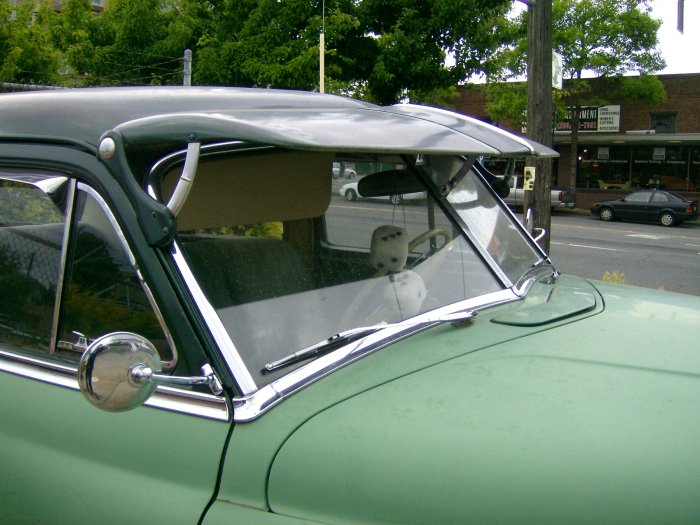
The windshield, called a windscreen in many countries, is the forward glazing that gives occupants a clear view ahead while shielding them from wind, rain and airborne hazards. A windshield is found on a wide range of transport modes including cars, trucks, buses and trains; it also appears in aircraft and on some motorcycles and scooters. Modern windshields combine optical clarity with structural and safety functions: they keep weather out, reduce noise, contribute to vehicle rigidity, and help prevent passenger ejection in a crash. For a basic definition see front window or the general term vehicle.
Image gallery
5 Images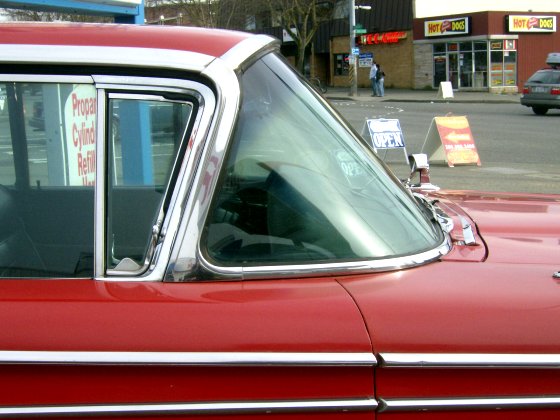



Primary characteristics and parts
A typical windshield assembly includes several elements: the glazed panel itself, a frame or surround that secures it to the body, sealants and adhesives, and then peripheral features such as wipers and defrosters. Windshields are engineered to resist impact from wind-driven objects, insects and road spray; in the case of larger hazards they also protect against flying debris. Many modern panes include coatings to repel water, layers for sound insulation, and electrically conductive films for de-icing.
Materials and construction
Most automotive windshields are made from laminated safety glass: two layers of glass bonded with an interlayer of polymer. This sandwich prevents the glass from shattering into large, dangerous shards and helps the pane remain in place after cracking. The traditional construction uses two curved sheets of glass joined by a plastic interlayer and then bonded into the opening of the vehicle; see curved sheets of glass and the interlayer itself noted here as plastic. Motorcycle screens and some specialty applications instead use high-strength plastics such as acrylic or high-impact polycarbonate, which are lighter and less prone to shattering but scratch more easily.
History and development
Early automobiles used flat glass or open cabs; as speeds grew and roads and traffic changed, the need for a permanent windshield became clear. Laminated glass was one of the important advances that made windshields safer and more practical. Aviation introduced its own glazing requirements because aircraft windshields must also withstand pressure differentials, insect strikes at high speed and other stresses; for background, see examples of aircraft glazing. Public transport vehicles such as buses and trams adopted robust glazing for passenger protection.
Uses, maintenance and repair
Windshields serve multiple everyday functions: visibility, weather protection, structural support and occupant safety. Maintenance ranges from keeping the glass clean and serviced wipers to repairing chips and cracks. Small chips can often be repaired to restore strength and optical quality; larger or badly damaged panes usually require replacement and professional re-bonding. When choosing service, it is important to match the original type and any special features such as heated elements or acoustic interlayers.
Variants and notable facts
- Safety variants: ballistic or laminated multi-pane glazing is used in armored vehicles.
- Functional variants: panoramic or wraparound windshields extend visibility and change a vehicle’s styling and structural characteristics.
- Motorcycle screens: are often treated differently because they prioritize wind buffering over occupant containment and commonly use plastics.
- Environmental treatments: coatings to block ultraviolet light, reduce glare or improve hydrophobicity are widely available.
For further reading on definitions and technical standards follow introductory resources on the general weather protection role of glazing, typical repair practices via a vehicle service link, and comparative materials information at entries about front window technology. Additional manufacturer or regulatory documentation may be found through specialist sources such as those covering vehicle safety glazing and aircraft windshield specifications.
Questions and answers
Q: What is a windshield?
A: A windshield is the front window of a vehicle that protects passengers and drivers from weather while allowing them to see out.
Q: What types of vehicles can have windshields?
A: Aircraft, cars, buses, motorbikes, or trams can all have windshields.
Q: What is the purpose of windshields on cars and aircraft?
A: Windshields on cars and aircraft are designed to protect the vehicle against wind and flying debris, such as dust, rocks, and insects.
Q: What is the purpose of windshields on motorbikes?
A: Windshields on motorbikes are designed to shield the driver from wind, although they do not protect as much as other vehicle windshields do.
Q: What are modern windshields made of?
A: Modern windshields are generally made of laminated safety glass, which is a type of treated glass made of two curved sheets of glass with a plastic layer between them that is joined into the window frame.
Q: What are motorbike windshields made of?
A: Motorbike windshields are often made of high-impact polycarbonate or acrylic plastic.
Q: What is the difference between motorbike windshields and those found on cars or aircraft?
A: The main difference between motorbike windshields and the ones found on cars or aircraft is the material they are made of, with motorbike windshields being often made of high-impact polycarbonate or acrylic plastic.
Related articles
Author
AlegsaOnline.com Windshield (Windscreen): Function, Materials, History and Safety Leandro Alegsa
URL: https://en.alegsaonline.com/art/108544