
Wireless access point
A wireless access point is networking equipment that provides Wi‑Fi connectivity by bridging wireless clients to a wired network; used in homes, businesses, and public spaces for local wireless networking.
Overview
A wireless access point (AP) is a network device that lets Wi‑Fi capable devices join a local area network. In the context of computer networks, an access point creates a wireless local network and typically connects to the wired infrastructure via Ethernet. It advertises one or more service set identifiers (SSIDs) so clients such as a laptop or smartphone can discover and join the network and gain access to shared resources and the internet.
Image gallery
3 Images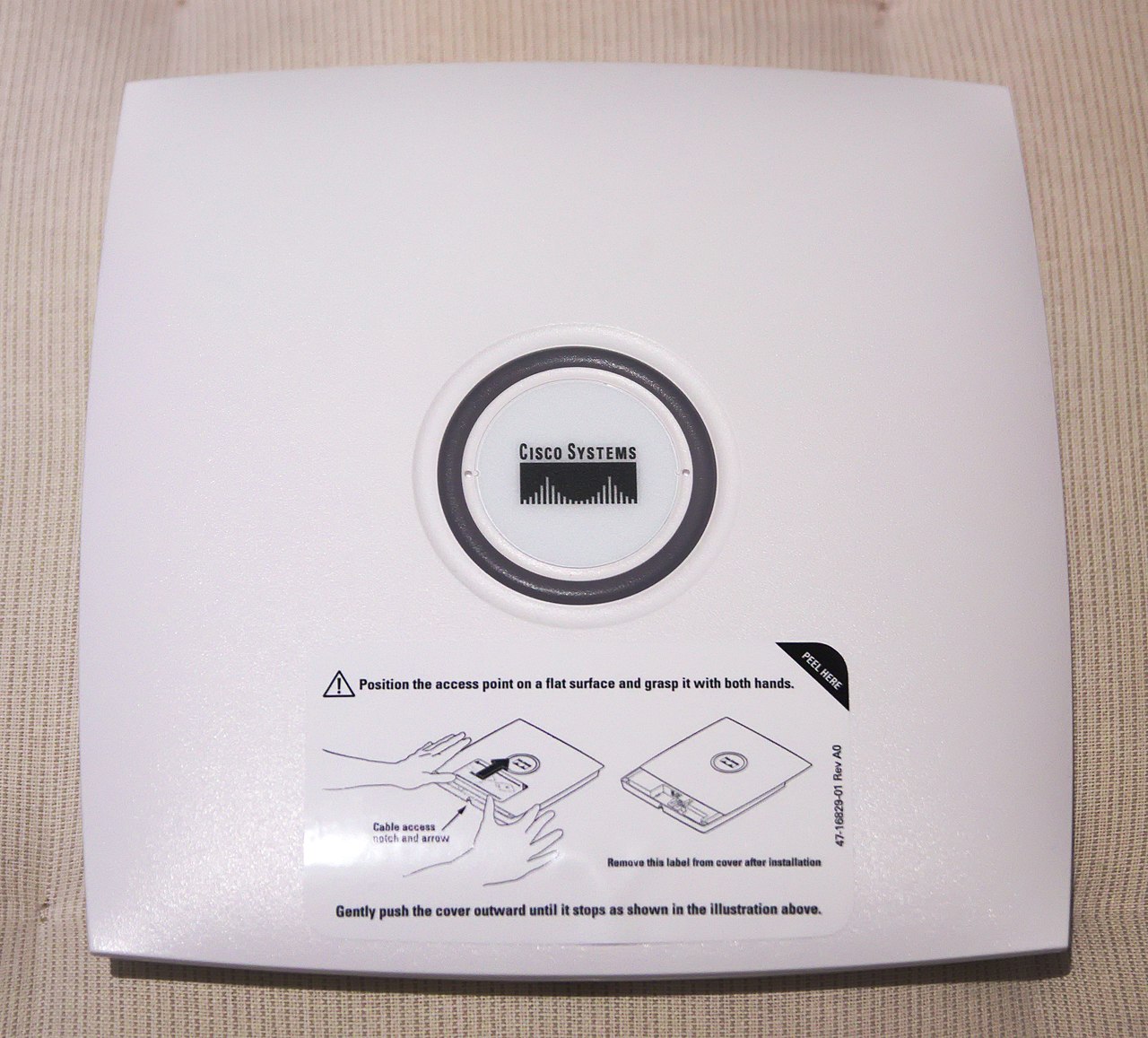


Core characteristics and components
An access point contains radio transmitters and receivers, an antenna or antennas, and a network interface for backhaul. Many models support multiple frequency bands and channels, and expose configuration options for security and performance. Basic properties include supported wireless standards, encryption methods, and management interfaces. Manufacturers may refer to the unit simply as a device or integrate it into other equipment such as routers.
How it works
When powered and configured, an access point broadcasts network identifiers and responds to connection requests from clients. It forwards traffic between wireless clients and the wired network, handles frame translation and sometimes performs functions like address assignment, quality of service, and client isolation. In larger deployments multiple APs can be coordinated by controllers or cloud services to provide seamless roaming and centralized policy enforcement.
History and development
Access points evolved as Wi‑Fi technology matured, moving from simple hobbyist equipment to managed enterprise components. Early products provided basic connectivity; modern APs add features such as mesh coordination, Power over Ethernet support, and advanced security. They bridge the gap between legacy wired infrastructure and the growing demand for mobile devices on a wireless LAN.
Common uses and deployment examples
- Home: a consumer AP or wireless router supplies Wi‑Fi for personal devices and smart home gear.
- Business: managed APs in offices, campuses, and retail provide scalable coverage and guest access.
- Public venues: airports, hotels, and cafés use APs with captive portals and bandwidth controls.
- Specialized: outdoor or industrial APs are hardened for environmental and coverage needs.
Distinctions and notable facts
Access points differ from wireless routers in that they focus on providing wireless connectivity rather than combining routing, firewall, and network address translation functions. Security considerations are central: modern APs support encrypted protocols and authentication methods to protect traffic, and administrators must design channel plans and placement to reduce interference. For further technical or purchasing guidance consult a networking reference or vendor documentation, for example resources listed under Wi‑Fi and management portals like support pages or standards repositories at industry sites.
Related articles
Author
AlegsaOnline.com Wireless access point Leandro Alegsa
URL: https://en.alegsaonline.com/art/108667
Sources
- mcnc.org : "Designing and Building a Campus Wireless Network"