
Wind power in South Australia: development, characteristics and role
Comprehensive overview of wind power in South Australia, covering its development, technical characteristics, grid integration, benefits for emissions reduction and notable facts.
Wind power is a major component of electricity supply in South Australia. The state's coastal location exposes it to strong prevailing westerly winds, often called the Roaring Forties, which make many sites well suited to utility-scale wind farms. By the mid-2010s wind supplied a large share of the state's generation, helping diversify supply and reduce reliance on fossil fuels.
Image gallery
7 Images


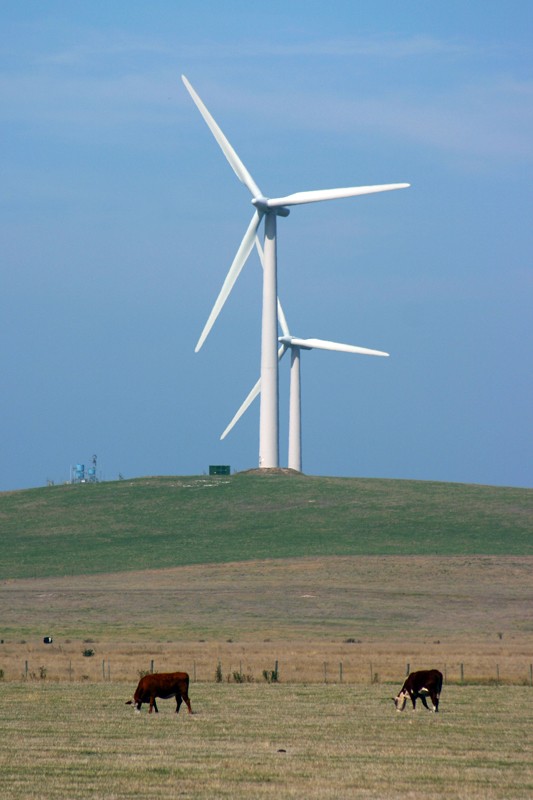


Characteristics and technology
Modern wind farms in the state use large horizontal-axis turbines mounted on tubular towers. Individual farms vary in size and layout but share common components: rotor blades, a nacelle housing the generator and gearbox or direct-drive unit, a tower, electrical collection systems and a connection to the transmission network. Wind generation is variable and depends on wind speed, turbine availability and site design.
History and development
Commercial wind development in the region accelerated from the late 20th century onward, with clusters of projects built where capacity factors were high. Policy incentives, renewable energy targets and technological improvements in turbine size and efficiency contributed to rapid growth. By mid-decade, several dozen turbines across multiple farms formed a meaningful share of annual generation.
Grid integration, storage and operational challenges
- Interconnection: Wind farms feed into the National Electricity Market via interconnectors with neighbouring states, allowing export and import of power.
- Variability: Because wind output fluctuates, system operators balance supply with demand using conventional generators, demand response and energy storage.
- Storage and firming: Large batteries and other fast-responding assets have been added to smooth short-term variability and provide grid services.
Wind farms generate electricity without burning fuel and thus do not emit greenhouse gases during operation. For that reason they are widely regarded as a cornerstone of renewable energy strategies that aim to reduce emissions and complement other low-carbon technologies. At the same time, system operators and planners manage trade-offs between high wind penetration and the need for reliable, continuous supply when winds are low.
Wind development has helped reduce dependence on coal and gas-fired generation in the state, while also raising questions about transmission upgrades, community engagement, land use and wildlife impacts. Ongoing planning focuses on improving integration, expanding storage, and balancing economic and environmental outcomes as wind remains an important part of the state's energy transition.
Related articles
Author
AlegsaOnline.com Wind power in South Australia: development, characteristics and role Leandro Alegsa
URL: https://en.alegsaonline.com/art/108477
Sources
- sa.gov.au : "Wind energy in South Australia"
- mtmillar.com.au : Welcome to Mount Millar Wind Farm