
Wind turbine: design, operation, history, and uses
A wind turbine converts the wind's kinetic energy into mechanical power or electricity. This article explains components, operation principles, history, applications, types, and environmental considerations.
Overview
A wind turbine is a machine that converts moving air into useful energy. At its simplest it is a rotating machine that captures the kinetic energy of the wind and turns it into mechanical energy. When that mechanical output directly drives equipment such as pumps or grinders the device is commonly called a windmill. If the mechanical power is converted to electricity, the installation is generally known as a wind turbine generator or wind energy converter.
Image gallery
10 Images




Main parts and how they work
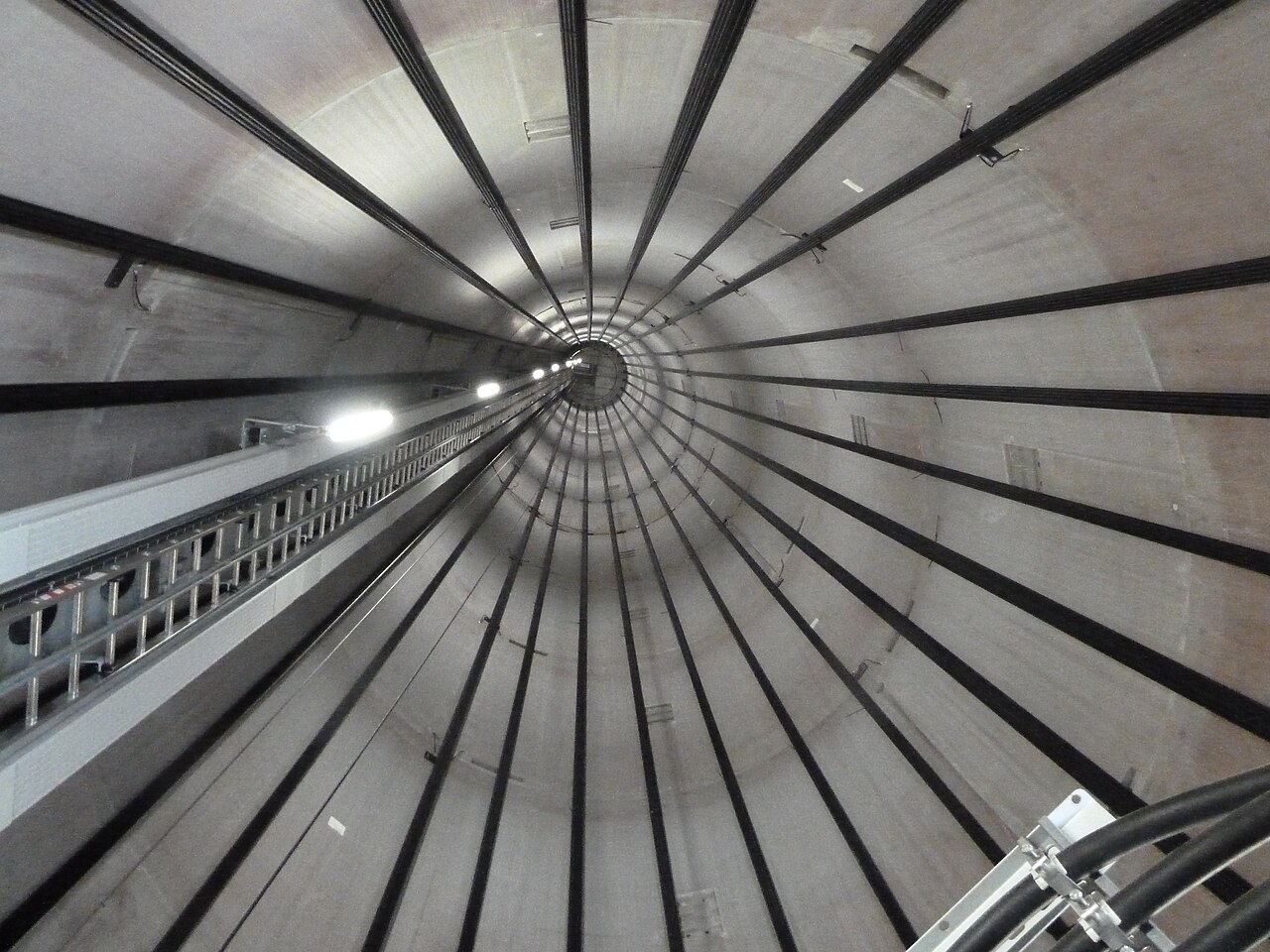
Modern horizontal-axis wind turbines consist of an array of defined parts: rotor blades, hub, nacelle, gearbox or direct-drive coupling, generator, tower and foundation. Blades capture aerodynamic forces; the hub transfers rotation into the nacelle; inside the nacelle a gearbox or a direct-drive system couples the rotor to a generator, which produces electrical power. Control systems adjust blade pitch and yaw the rotor toward the wind and limit loads during storms. Electrical systems include transformers, converters and grid interconnection equipment.
History and development
Primitive windmills have been used for centuries for grinding grain and pumping water. The concept of generating electricity from wind emerged in the late 19th and early 20th centuries and expanded greatly with advances in materials, aerodynamics and power electronics. Interest accelerated during energy-supply concerns of the 20th century and continues today with large, utility-scale turbines both onshore and offshore.
Types and notable distinctions
- Horizontal-axis turbines: the most widespread design with blades like airplane propellers.
- Vertical-axis turbines: simpler in some arrangements and less sensitive to wind direction, but less common at large scale.
- Offshore vs onshore: offshore sites often allow larger machines and steadier winds.
Uses, benefits and impacts
Wind turbines supply renewable electricity, reduce fossil-fuel use and can power remote or grid-connected systems. They are used alone or in hybrid systems with storage or other generation. Environmental considerations include visual impact, land use, noise and wildlife interactions; modern siting, mitigation and technology improvements aim to reduce negative effects.
Trends and outlook
Trends include larger rotor diameters, taller towers, improved materials, offshore expansion and smarter grid integration. Continued innovation focuses on lowering costs, increasing reliability and integrating variable wind generation into energy systems while balancing environmental and social factors.
Questions and answers
Q: What is a wind turbine?
A: A wind turbine is a machine that converts kinetic energy from the wind into mechanical energy.
Q: What is the difference between a windmill and a wind turbine?
A: A windmill is a machine that uses mechanical energy directly to pump water, cut lumber or grind stones, while a wind turbine converts mechanical energy to electricity.
Q: What are some other names for a wind turbine generator?
A: Other names for a wind turbine generator include wind power unit, wind energy converter, and aerogenerator.
Q: What type of energy does a wind turbine convert wind energy into?
A: A wind turbine converts wind energy into mechanical energy.
Q: How is mechanical energy produced by a wind turbine used?
A: Mechanical energy produced by a wind turbine can be used directly by machinery, such as for pumping water, cutting lumber, or grinding stones.
Q: What is the purpose of converting mechanical energy to electricity in a wind turbine?
A: The purpose of converting mechanical energy to electricity in a wind turbine is to generate power that can be stored or distributed for human use.
Q: Can a wind turbine generator also be considered a windmill?
A: Yes, a wind turbine generator can also be considered a windmill if the mechanical energy produced is used directly by machinery.
Related articles
Author
AlegsaOnline.com Wind turbine: design, operation, history, and uses Leandro Alegsa
URL: https://en.alegsaonline.com/art/108483
Sources
- blog.cleantech.com : blog.cleantech.com
- popsci.com : "How It Works: The Next-Gen Wind Turbine"
- gereports.com : gereports.com/post/92442325225/how-loud-is-a-wind-turbine/
- commons.wikimedia.org : Wind turbines